No travel can be guaranteed safe, and that is the standing position of the source this guide draws on. What follows is what that source records about El Salvador specifically, in the order a visitor is likely to meet it.
⚠ The state of exception
This is the piece most visitors have not read and the piece most worth reading. El Salvador's government declared a state of exception, an emergency, in response to a sharp rise in gang related murders. It started in 2022 and has remained in place since.
The cited record is that the murder rate has fallen significantly, and that the authorities remain concerned the gangs could regroup. It also records what the measure does. The state of exception gives police additional powers. It has resulted in a much higher number of arrests, sometimes made without much evidence. It allows police to detain people for much longer before trial. And many ordinary legal safeguards have been weakened or removed.
Those are the source's words and they are stated here rather than smoothed over, because a visitor is subject to the same framework as everyone else. Carry identification, cooperate with police, and understand that the ordinary protections you may assume are in place have been altered. Travelers should remain cautious as the risks of violent and petty crime still exist.
Everyday crime
Petty crime is the thing a visitor is most likely to meet. Take particular care in crowded places. Do not wear expensive clothing or jewelry. Carry a photocopy of your passport and entry stamp and leave the original somewhere secure. If you report an incident to the police, get a signed and stamped copy of the report, which you will need for any insurance claim.
Transport choices are a safety question here
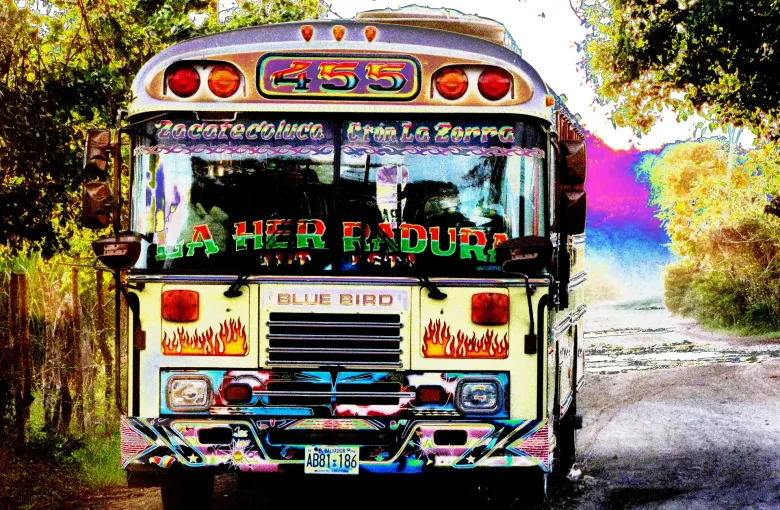
The transport advice is covered in full in the getting around guide, and the headline is worth repeating: public buses are not considered safe because of petty crime, and unofficial taxis carry a small risk of kidnapping. Use radio dispatched, pre booked or hotel taxis. Keep car windows closed and doors locked. Avoid public transport after dark.
⚠ Crowds
The cited advice records a specific event for a specific reason. In May 2023, at least 12 people died and more than 500 were injured during a football match at the Cuscatlan Stadium, because of overcrowding. If you are going to a large gathering, follow the instructions of the local authorities, know where the exits are, and keep a high level of awareness. Crowd incidents are not a gang question and they are the one risk on this page that a visitor is most likely to walk into voluntarily.
Volcanoes
El Salvador has active volcanoes and at least 6 of them are monitored. Get local advice before climbing one, and monitor local media for updates on increased volcanic activity. Check the Directorate General of Civil Protection for volcano warnings. It is safer to climb or to walk in remote areas during daylight hours and with a guide.
Water
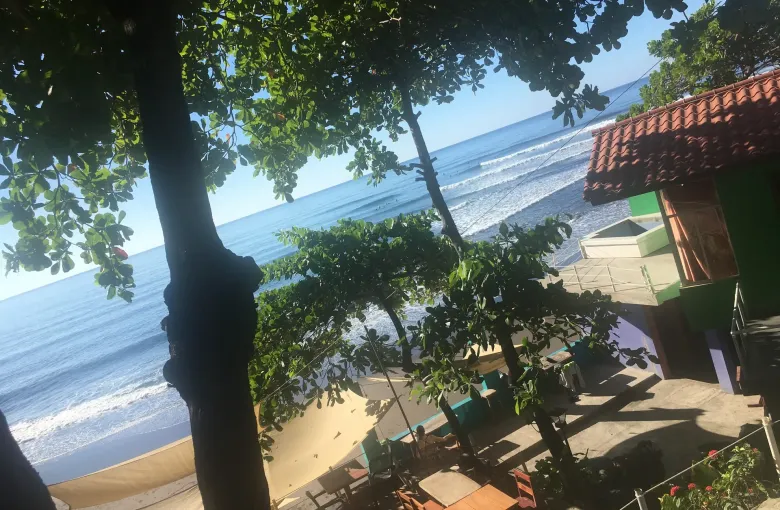
Rivers tend to be contaminated and are unsafe to swim or bathe in. There is a risk of contaminated drinking water, and bottled water is inexpensive and widely available. On the coast, respect the surf: this is a Pacific break coast and the conditions that make it good are the conditions that make it serious.
Emergencies
Call 911 and ask for an ambulance. There is also a tourist police service, POLITUR, on 2224 2705. Put both in your phone before you travel and write them down somewhere that does not need a charged phone, together with your insurer's emergency line and the address of where you are staying. Take travel insurance that covers medical treatment and repatriation, and read what it excludes.
For vaccinations and the food and water precautions that go with them, the Centers for Disease Control and Prevention publishes a destination page for El Salvador, and that is the authority worth reading rather than this one. Two things on it are worth knowing before you ask: it records that the yellow fever vaccine is not recommended for travel here, and it carries no malaria recommendation for the country at all.
The getting around guide in this cluster covers transport in full, and the accessibility guide covers what the colonial towns demand of anyone unsteady on their feet.
Sources
- UK Foreign, Commonwealth and Development Office: El Salvador safety and security: the state of exception declared in 2022 in response to a sharp rise in gang related murders and recorded as remaining in place, under which police hold additional powers, arrests are far more numerous and are sometimes made without much evidence, people may be detained for much longer before trial and ordinary legal safeguards have been weakened or removed; the crowd disaster at the Cuscatlan Stadium in May 2023 in which at least 12 people died and more than 500 were injured; the advice not to use unofficial taxis and to take a radio dispatched, pre booked or hotel taxi instead; the record that public buses are repainted old US school buses and are not safe because of petty crime; the warning that rivers tend to be contaminated and are unsafe to swim or bathe in; the record that El Salvador has active volcanoes, at least 6 of which are monitored, and the advice to get local advice before climbing one and to walk in daylight with a guide; the tourist police contact number 2224 2705; and the money guidance that the US dollar is what a visitor needs, that it is almost impossible to change British pounds anywhere in the country, that bitcoin may not be accepted everywhere and a visitor should make sure they can access US dollars, and that regular and bitcoin ATMs are widely available particularly in San Salvador and La Libertad. Accessed 17 September 2026.
- UK Foreign, Commonwealth and Development Office: El Salvador health: the emergency medical number 911, the record that there is a risk of contaminated drinking water and that bottled water is inexpensive and widely available, and the guidance on travel insurance and on checking before travel that a destination can provide the healthcare a traveler may need. Accessed 17 September 2026.
- UK Foreign, Commonwealth and Development Office: El Salvador travel advice: the index to the entry, safety and health pages this cluster draws on, and the standing guidance that no travel can be guaranteed safe. Accessed 17 September 2026.
- Centers for Disease Control and Prevention: El Salvador traveler health: a yellow fever record under which the vaccine is not recommended for travel to El Salvador and is not required for direct travel from the United States, while a certificate is required of travelers aged one year and over arriving from a country with risk of transmission, a category that includes airport transits or layovers of more than 12 hours in such a country. Accessed 17 September 2026.
Other Articles
Getting Around El Salvador
El Salvador Visa and Entry Requirements