The short version
Take the train. Swiss public transport is a single integrated system: mainline trains, regional trains, postbuses, lake steamers, cog railways, funiculars and cable cars, timetabled to connect with each other. It reaches valley villages, ridge stations and mountain huts, and it goes places a car genuinely cannot.
The exception worth naming is the high passes, which are a driving experience in their own right. But they open on conditions rather than on a date, and our best time to visit guide explains why we publish no opening dates for any of them.
⚠ One of the lines is a World Heritage property
This is a fact about Swiss transport that belongs in a transport guide rather than only in a heritage one. The Rhaetian Railway in the Albula / Bernina Landscapes was inscribed on the World Heritage List in 2008, and it is one of Switzerland's thirteen properties. It is a working public railway with a timetable, so seeing it means buying a ticket rather than booking a tour.
This guide does not carry a separate guide to it, and we would rather say that than imply otherwise: the three heritage guides here are Swiss Alps Jungfrau-Aletsch, the Old City of Berne and Lavaux. Choosing three from thirteen is an editorial decision, and the railway is the exclusion most worth knowing about, because you can ride it on an ordinary journey.
Trains, and how the system actually works
Three properties of the network are worth understanding before you plan:
- Connections are designed, not coincidental. A regional train meets a postbus which meets a boat, often with a few minutes between them, and the timetable expects you to make it. That also means a missed connection cascades, so build slack into a day with three changes in it.
- Mountain transport is part of the same system. Cog railways and cable cars sell into the same journey planner as the trains, and many run seasonal timetables. Check the specific operator if your day depends on one.
- The boats are transport, not excursions. On Lucerne, Geneva, Thun and several other lakes the steamer is a scheduled service and is often the pleasantest leg of a journey.
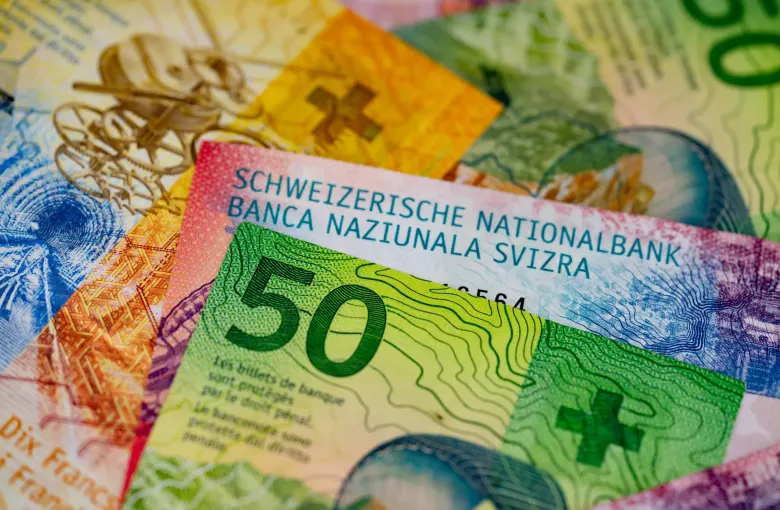
Travel passes and regional cards exist in several forms and the arithmetic depends entirely on your itinerary. We publish no fares or pass prices, because nothing we read for this build states one and a figure written a year ago is worse than none. Price your actual route on the national operator's own site before deciding.
Reaching the three heritage properties without a car
All three are reachable by scheduled public transport, which is the clearest argument for the network.
The Old City of Berne is a short walk from Bern's main station, which is on the principal north-south and east-west lines. Lavaux sits on the railway along the north shore of Lake Geneva between Lausanne and Montreux, with small stations among the terraces, and the lake boats stop along the same shore. Swiss Alps Jungfrau-Aletsch is served by the mountain railways and cable cars of the Bernese Oberland and the Valais, on seasonal timetables.
Driving, if your itinerary needs it
Road users must observe Switzerland's traffic laws, including speed limits, rules on alcohol intake and child security, and the advisory points to the published rules of the road rather than summarizing them. Three things matter more than the paperwork.
Mountain roads in winter. Conditions on roads in mountainous areas can quickly become difficult, and the advisory asks you to carry water, food and warm clothing. That is advice about being stuck rather than about being cold: a closed pass with a queue on it is an ordinary winter event.
Passes have no opening date. They open on the snow. If a pass is the point of the drive, check its current status and have a tunnel or a rail alternative for the day.
You are crossing a customs border. Driving in from France, Germany, Italy or Austria means no passport check, because Schengen, and a possible customs check, because Switzerland is not in the European Union. Declare anything that may be prohibited or subject to tax or duty.
The one transport-related crime warning
The advisory records increased reports of petty theft in larger cities, at Geneva airport and on trains to and from Geneva. That is a specific corridor rather than a general warning. Keep luggage in sight, keep valuables on your person, and be particularly alert at airports and railway stations.
Verify Before You Travel
- The Swiss national rail operator's own journey planner, for timetables, fares and passes, which we do not publish.
- Each mountain railway and cable car operator, for seasonal opening, which changes yearly.
- The UK Foreign, Commonwealth & Development Office Switzerland safety and security page, for the traffic law pointer, the winter mountain road advice and the Geneva theft warning.
- The Swiss road authorities, for current pass status.
Sources
- UK Foreign, Commonwealth & Development Office: Switzerland travel advice. Accessed 16 September 2026.
- UK Foreign, Commonwealth & Development Office: Switzerland safety and security: the terrorism assessment, the crime picture, the drug penalties, the face-covering ban in two cantons, the adventure-sport insurance requirement and the year-round alpine hazards. Accessed 16 September 2026.
- UNESCO World Heritage Centre: Switzerland’s State Party record: thirteen properties inscribed on the World Heritage List, nine cultural and four natural. Accessed 16 September 2026.
Other Articles
Switzerland Travel Safety Guide
Best Time to Visit Switzerland