Two kinds of return
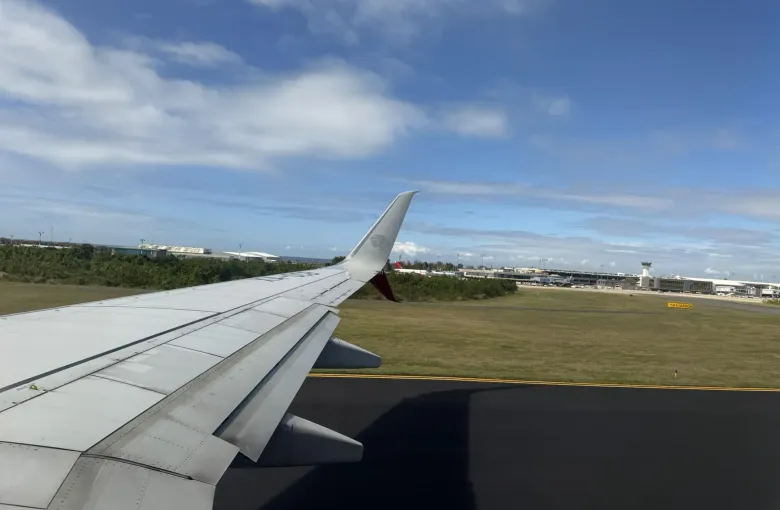
Travelers come back to the Dominican Republic for two different reasons that are often confused. Some are Dominicans, or the children and grandchildren of Dominicans, returning to a specific town and a specific family. Others are part of the wider African diaspora, coming to a place that was among the earliest in the Americas to receive enslaved Africans.
Those are not the same journey, and a trip planned for one will disappoint the other.
What the Colonial City records
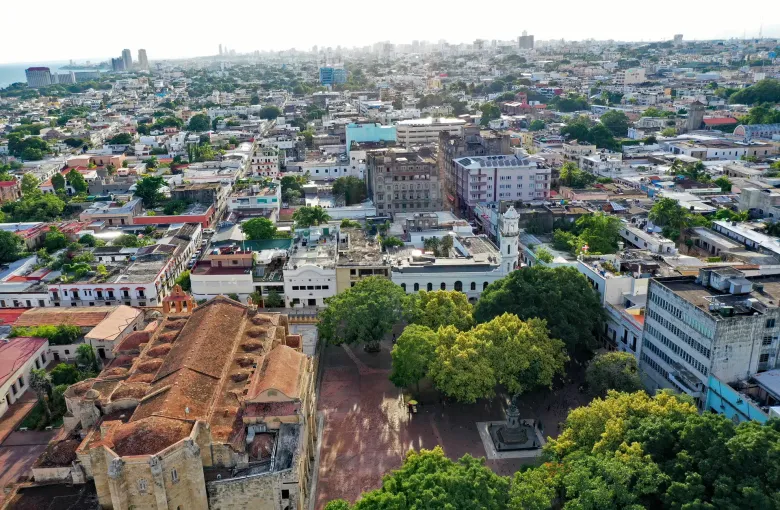
UNESCO's citation for the Colonial City is a list of firsts: the first cathedral, hospital, customs house and university in the Americas, in a town founded in 1498 and laid out on a grid that the rest of the New World copied.
Read as heritage that is remarkable. Read as history it is also the first colonial administration in the hemisphere, and the harbor it was built around was a working port of the early transatlantic trade. Both readings are true and the second is the one the plaques tend to handle lightly.
Planning a reconnection trip
- Give Santo Domingo more than a day. The Colonial City is compact enough to walk and dense enough to reward two or three visits at different hours.
- Decide in advance whether you are researching a family or a history. The first needs a town, a parish and a name; the second needs the capital.
- Spanish matters here more than in most of the Caribbean. Parish and civil records are in Spanish and so is almost everyone who can help you read them.
- Do not compress it. A reconnection trip that shares a week with a resort stay tends to shortchange both.
A note on expectations
Genealogical records in the Caribbean are uneven, and for enslaved ancestors they are frequently absent by design. Arriving expecting a document and finding none is common, and it is not a failure of preparation. What the place gives reliably is context: the streets, the harbor, the scale of the thing. That is worth the journey on its own.
Sources
- UNESCO World Heritage Centre: Colonial City of Santo Domingo, Date of Inscription 1990: the record that after Columbus arrived on the island in 1492 Santo Domingo became the site of the first cathedral, hospital, customs house and university in the Americas, and that the town founded in 1498 was laid out on a grid pattern that became the model for town planners in the New World. Accessed 18 September 2026.
- UNESCO World Heritage Centre: Dominican Republic States Party record: the country's inscribed properties on the World Heritage List. Accessed 18 September 2026.
- UK Foreign, Commonwealth and Development Office: Dominican Republic travel advice: the index to the entry, safety and health pages this cluster draws on. Accessed 18 September 2026.
Other Articles
The Colonial City of Santo Domingo: Visitor and Heritage Guide
Dominican Republic Culture and Etiquette Guide