The quick answer
Doha suits older travelers well and it suits them enormously better between November and March. That single decision does more for the quality of the trip than anything else on this page. The city is compact, the transport is excellent, the healthcare is world class and the distances are short.
The season, which is the whole thing
Heat is the one genuine risk here, and it affects older travelers disproportionately. In the cool months Doha is a pleasant walking city in the evening and an easy one during the day. In high summer it is a city you move between cooled buildings in, and an itinerary that ignores that will be exhausting at best.
If you must travel in summer, invert the day: out early, indoors from late morning, out again after sunset. That is what residents do.
Pacing
- One major thing a day. The National Museum alone is a half day and more.
- Build in the middle of the day as rest time, which is culturally normal here anyway.
- Doha works very well as a stopover of three or four days, and as a gentle winter sun break.
- Do the outdoor things, the souq, the corniche, Katara, in the evening.
Getting around comfortably
The Metro is cool, step free, cheap and quick, and it reaches most of what you will want. Taxis and ride-hailing are inexpensive and remove the walk at either end. Do not plan long walks between landmarks: the map lies about the distances and there is little shade.
Hydration and heat
Drink much more water than you would at home, and start before you feel thirsty. Air conditioning is dehydrating too. Signs of heat trouble, headache, dizziness, unusual tiredness, cramps, are reasons to stop and get cool immediately rather than to press on. Anyone with a heart or respiratory condition should be particularly deliberate about this, and should carry medication rather than leaving it in the room.
Healthcare
Excellent, modern and well equipped, with high standards in both public and private hospitals and many English-speaking staff. Pharmacies are widespread and helpful.
- Travel insurance is necessary, not optional: treatment is not free for visitors and can be expensive.
- ⚠ Check your medication against Qatari rules before you travel. A number of ordinary prescription drugs are controlled here and travelers have been detained over them. Original packaging, prescription copy, and check in advance. The entry guide covers this fully and it matters more for anyone on regular medication.
- Carry a written summary of conditions, medication and allergies.
Comfort and courtesy
Age is genuinely respected here, and older visitors are treated with a deference that can be surprising and is entirely sincere. Expect to be offered seats, helped with bags and served first. Accept it graciously.
Dress modestly, as everyone should, and note that it also means sun protection. Carry a light layer for the air conditioning, which is fierce and is a common cause of stiffness and chills.
Activities that suit a slower trip
- The National Museum and the art museums, seated, cooled and unhurried.
- A dhow cruise along the corniche at sunset, which involves a step aboard and then nothing.
- Souq Waqif in the evening, on the main thoroughfares, with a long dinner.
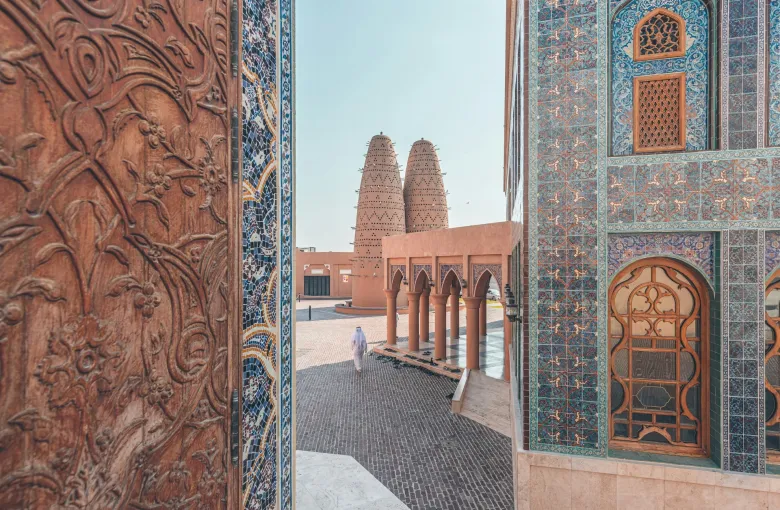
- Katara, which is flat, paved and pleasant.
- A desert trip in a comfortable vehicle, with the caveat that dune driving is rough and should be declined without embarrassment.
Planning with LABUSA Travel
We build slower Doha itineraries around the season and the time of day, and we raise the medication question early because it is the one that catches people out.
Sources
- US Centers for Disease Control and Prevention: Travelers’ Health, Qatar: vaccination and heat guidance. Accessed 11 August 2026.
- Visit Qatar: the national tourism authority, including entry guidance, attractions and seasonal events. Accessed 11 August 2026.
- UK Foreign, Commonwealth & Development Office: Qatar travel advice, including local laws, customs and entry requirements. Accessed 11 August 2026.
Other Articles
Accessible Travel in Doha

Getting Around Doha