The quick answer
Doha is one of the easier cities in the region for travelers with mobility needs, for a simple reason: most of it was built recently and to modern standards. The Metro, the museums, the malls, the airport and the newer districts are genuinely well equipped. The older souq areas and the heat are where it gets harder.
What works well
The Metro
Built new throughout and step free from street to platform, with lifts at every station, tactile paving, level boarding and priority spaces on trains. It is the best way for a wheelchair user to move around this city and it costs almost nothing.
The airport
Hamad International is modern, spacious and well equipped, with assistance available if it is requested through your airline in advance and reconfirmed.
Museums and cultural venues
The National Museum and the major galleries were designed with accessibility in mind: step free routes, lifts, and loanable wheelchairs at the larger venues. The National Museum's route is long, so ask about the shorter option if distance is a concern. Katara is largely flat and paved, with accessible parking, though some individual venues within it are older.
Malls and hotels
Modern international hotels have accessible rooms and are used to the requirement. Malls are accessible and, importantly, air conditioned, which makes them useful as routes rather than only as destinations.
What is harder
- The heat. For much of the year this is the real constraint. It affects anyone who cannot move quickly between cooled spaces, it makes wheelchair pushing exhausting, and it is a medical risk rather than a comfort issue. Plan the cool season if you can, and the early morning and evening if you cannot.
- Souq Waqif. Uneven paving, narrow alleys, steps into shops and crowds in the evening. The main thoroughfares are manageable and the smaller alleys frequently are not.
- Older buildings and smaller restaurants outside the modern districts.
- Pavements away from designed districts, which are interrupted and sometimes absent.
- Desert trips, which involve four-wheel drives, high steps and soft sand.
Getting around
Beyond the Metro, accessible taxis exist but are limited and should be booked in advance rather than hailed. Ride-hailing apps are widely used and standard vehicles have ordinary car access. For a wheelchair user, a pre-arranged accessible vehicle with a driver for the day is often the practical answer for anything off the Metro.
Questions to ask
- Is the entrance step free, and the room, and the restaurant?
- What is the clear door width, and is the bathroom roll-in?
- How far is it from an air-conditioned drop-off to the entrance?
- For a tour: what vehicle, how many steps, and how long outdoors?
Other requirements
For hearing impairment, English is widely spoken and written information is everywhere. For visual impairment, the Metro has tactile guidance and the museums have some audio provision, but a guide matters more than infrastructure. Medical care is excellent and hospitals are modern; insurance is necessary because treatment is not free for visitors.
Planning with LABUSA Travel
We ask venues the specific questions above, arrange accessible vehicles in advance, and build the day around the temperature rather than around the map.
Sources
- Visit Qatar: the national tourism authority, including entry guidance, attractions and seasonal events. Accessed 11 August 2026.
- National Museum of Qatar: the museum, its building and its account of Qatari history. Accessed 11 August 2026.
- Katara Cultural Village: the cultural village, its venues and its program. Accessed 11 August 2026.
Other Articles
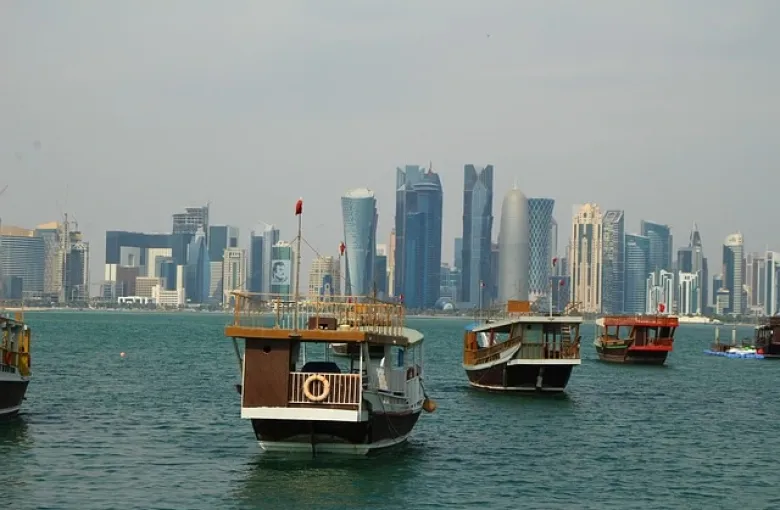
Doha for Senior Travelers
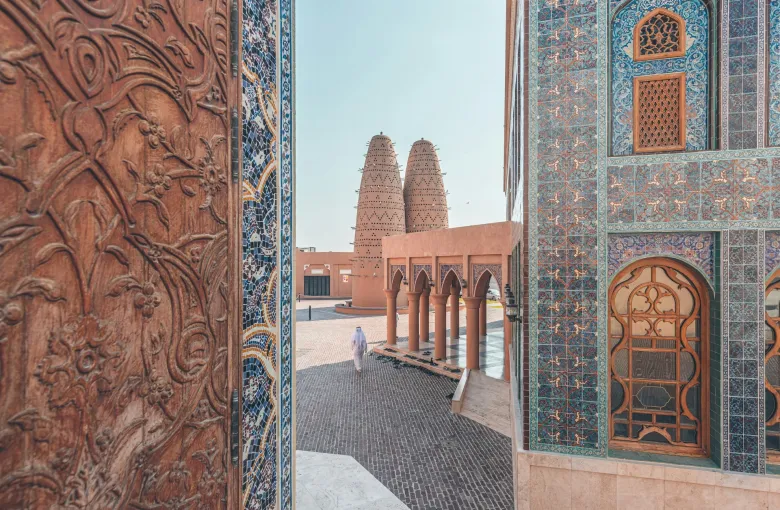
Katara Cultural Village: A Visitor Guide