The quick answer
Qatar is a conservative Muslim country that is used to visitors and is genuinely welcoming to them. Almost nothing is demanded of you beyond courtesy and modest dress, and both are noticed and appreciated. Hospitality here is a serious cultural value rather than a service industry convention.
Greetings
- As-salamu alaykum, peace be upon you, answered with wa alaykum as-salam. Using it is a small courtesy that lands well.
- Handshakes between men, often held longer than Westerners expect, sometimes with the left hand on the forearm.
- Between men and women, wait. Many Qatari women will not shake hands with a man, and many Qatari men will not offer a hand to a woman. Let the other person initiate; if no hand is offered, a nod and a hand placed briefly over your own heart is the correct and warm response.
- Ask after someone's health and family before getting to business. Going straight to the point reads as brusque.
The right hand
Eat, give, receive and gesture with the right hand. The left is considered unclean. This is consistent across the region and it is one of the easiest courtesies to get right.
Dress
Shoulders and knees covered in public for everyone, as set out on the packing guide. No headscarf is required for women in ordinary public places, but carry one for mosques. Qatari national dress, the white thobe and the black abaya, is worn widely and with pride; admire it, do not treat it as a costume, and do not photograph people wearing it without asking.
Hospitality
If you are invited into a home or a majlis, the reception room where guests are received and business is done, a few things follow. Remove your shoes if others have. Accept the coffee and dates. Do not admire an object too effusively, because your host may feel obliged to give it to you. Do not photograph the interior or the family without asking. And do not rush; the visit is the point.
Ramadan
If you are here during Ramadan, do not eat, drink or smoke in public during daylight hours. This is a legal requirement for everyone in Qatar and not merely a courtesy. Hotels make arrangements for guests. Dress a little more conservatively than usual, be patient with shortened hours and tired people, and accept an invitation to iftar if you get one, because it is the most generous thing that will happen to you on the trip.
Mosques
Some mosques welcome non-Muslim visitors outside prayer times and some do not. Where they do: modest dress, a headscarf for women, shoes off, no photography of people praying, and quiet. Ask rather than assume, and follow whatever you are told without negotiation.
Things visitors get wrong
- Photographing people, especially women, without asking. Do not.
- Assuming everyone in national dress is Qatari, or that everyone else is a servant. Doha is one of the most international cities on earth.
- Talking loudly about politics, religion or the ruling family.
- Offering the left hand.
- Being impatient in a line or with an official. It achieves nothing here and costs you goodwill.
- Treating the souq as a theme park. People live and work in it.
The wider society
Qatari nationals are a minority in their own country, and the majority of people you meet will be from South Asia, the Philippines, other Arab states or Africa. That composition shapes everything about the city, and it is dealt with more fully on the communities guide. Treat everyone you deal with, in a hotel, a taxi or a shop, with the same courtesy you would extend to a Qatari host.
Planning with LABUSA Travel
We brief travelers before arrival so that the courtesies are second nature by the time they land, and arrange majlis and cultural experiences through Qatari hosts.
Sources
- Visit Qatar: the national tourism authority, including entry guidance, attractions and seasonal events. Accessed 11 August 2026.
- Katara Cultural Village: the cultural village, its venues and its program. Accessed 11 August 2026.
- UK Foreign, Commonwealth & Development Office: Qatar travel advice, including local laws, customs and entry requirements. Accessed 11 August 2026.
Other Articles
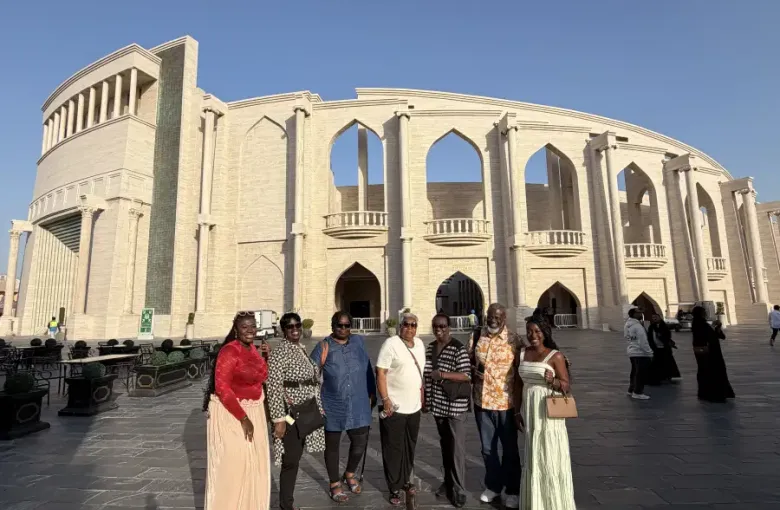
The Communities Who Built Doha
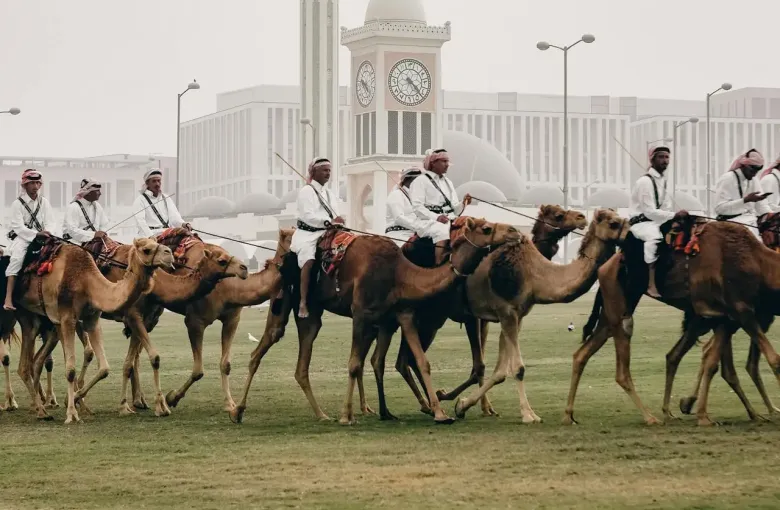
Doha Festivals and Events