The short version
Qatar is a low, flat peninsula in the Gulf. That geography gives it a desert climate with a coastal one on top: very hot for a long part of the year, and humid with it, particularly near the water. The humidity is the part visitors underestimate, because it makes a given temperature feel considerably worse and makes recovery in the shade slower.
What that means for a day
In the cool season it means very little: you plan a normal day. Outside it, the working pattern is early start, indoors through the middle, back outside after the sun drops. Every local institution already runs on that rhythm, which is why restaurants fill late and why the corniche is busiest well after dark.
Sun, water and shade
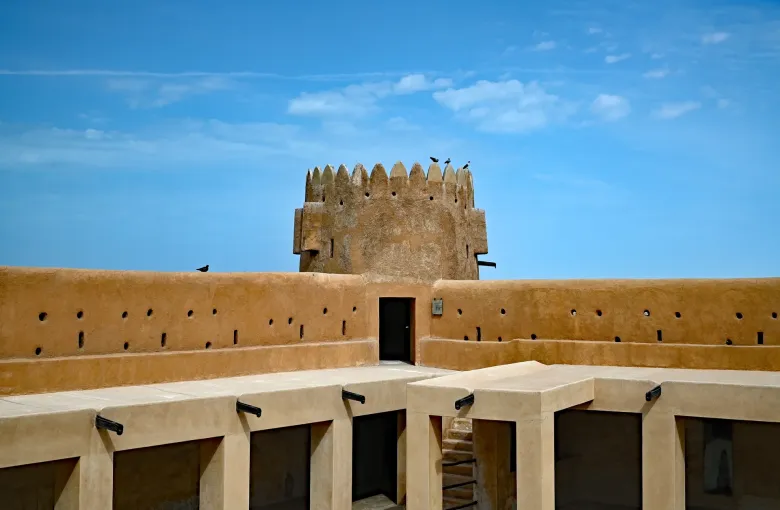
There is almost no natural shade anywhere in this country. At Al Zubarah, on the Zekreet peninsula and at Khor Al Adaid you are in open ground for as long as you are there. Carry more water than you think, cover up rather than strip down, and treat a hat as equipment rather than an accessory. See the packing list.
Wind and dust
Dust is a real feature of the climate rather than an occasional event, and a windy day can cut visibility and make the desert unpleasant. It also matters for anyone with a respiratory condition, who should pack accordingly and plan indoor alternatives. See Qatar for senior travelers.
Verify Before You Travel
The FCDO health page for Qatar carries the current health advice. Next: best time to visit and getting around.
Sources
- UK Foreign, Commonwealth & Development Office: Qatar travel advice: the FCDO issues no advisory against travel to any part of Qatar. Accessed 15 September 2026.
- UK Foreign, Commonwealth & Development Office: Qatar health: vaccination advice for travellers. Accessed 15 September 2026.
Other Articles
Best Time to Visit Qatar
What to Pack for Qatar