The short version
Most of the people in Qatar were born elsewhere. That is the defining social fact of the country and it is not hidden: the food, the languages on a street, the shops and the labour market all reflect it. For a traveller who comes to this site through an interest in diaspora and return, Qatar offers something different from an ancestral-homeland trip. It is a place to look at how a society made almost entirely of arrivals actually functions.
The older connections
This is not new. The pearling economy that built Al Zubarah and the towns along this coast ran on an Indian Ocean network that reached India, East Africa and Persia, carrying goods, credit, music and people in both directions. Walking the excavated town at Al Zubarah is walking a node in that network rather than an isolated settlement.
What a visitor can actually see
The Museum of Islamic Art and the National Museum both set Qatar inside a wider world rather than apart from it, and both are outstanding. Katara Cultural Village programmes work from across the region. The markets are the everyday version of the same thing, and the most honest place to see it.
What we do not claim
We will not dress a Gulf trip up as a roots journey, because for most of our travellers it is not one. What it can be is a serious encounter with a place where migration is the ordinary condition rather than the exception, which is a subject worth travelling for on its own terms.
Verify Before You Travel
Al Zubarah's inscription record is on UNESCO's page for the site. Next: culture and etiquette and the food guide.
Sources
- UNESCO World Heritage Centre: the inscription of Al Zubarah Archaeological Site in 2013 under criteria (iii)(iv)(v). Accessed 15 September 2026.
- UNESCO World Heritage Centre: Qatar’s State Party record: one property inscribed on the World Heritage List. Accessed 15 September 2026.
- UK Foreign, Commonwealth & Development Office: Qatar travel advice: the FCDO issues no advisory against travel to any part of Qatar. Accessed 15 September 2026.
Other Articles
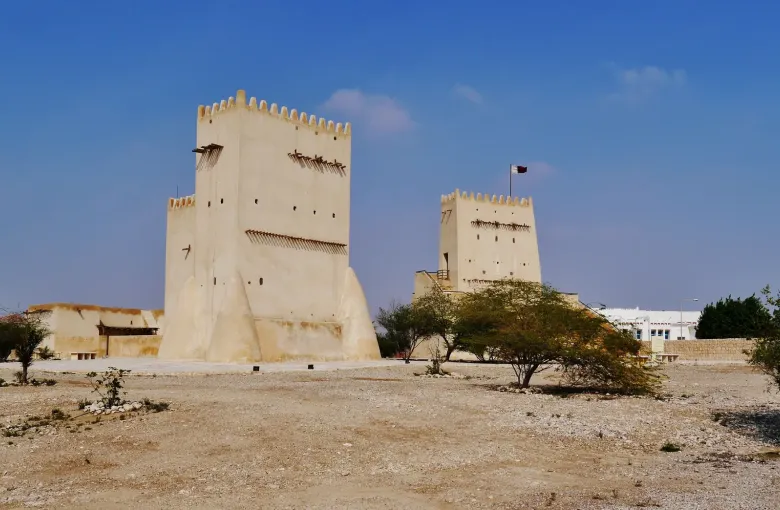
The Barzan Towers, Umm Salal
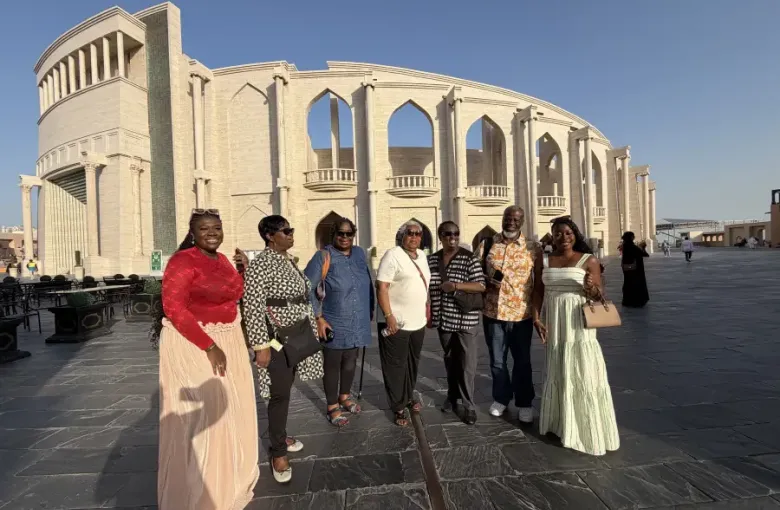
Qatar Culture and Etiquette