The first thing to fix is the calendar. Argentina is in the southern hemisphere and its seasons are the inverse of the northern ones. Summer is December to February, fall is March to May, winter is June to August and spring is September to November. Everything below assumes that correction has already been made.
Buenos Aires and the pampas
Humid subtropical, and the humidity is the part that catches people. Summers are hot and close, and the city can sit heavy for days at a time. Winters are mild rather than cold, but buildings are often not heated to the standard a North American visitor expects, so a cool evening indoors feels colder than the number suggests. Rain arrives in short heavy bursts rather than long gray days.
Mendoza and the rain shadow
The Andes take the moisture out of the westerly weather before it reaches Mendoza, which is why the province is dry, bright and planted with vines. Expect clear skies most of the year, a wide gap between day and night temperature, and very little rain. Irrigation rather than rainfall is what makes the landscape green, and that is visible the moment you leave the cultivated strip.
Summer afternoons can bring sudden violent hailstorms, which are a serious matter for the growers and an occasional inconvenience for visitors.
The northwest: Salta and Jujuy
This is high desert. The Quebrada de Humahuaca is a narrow and arid mountainous valley, flanked by the high plateau of the Puna and the eastern wooded areas, and it follows the Rio Grande roughly 150 kilometers south from the cold high desert plateau of the High Andean lands. The climate follows the altitude rather than the latitude.
What that means day to day is a very large daily temperature range. A bright warm afternoon becomes a cold night quickly once the sun is off the valley walls, and the shift is faster than most visitors dress for. The rain comes in the southern summer, roughly December to March, and can close roads.
Altitude sickness is a risk here. Acclimatize before you walk high, never during. Treat the first day in the northwest as a rest day rather than a travel day, and drink more water than you think you need in air this dry.
Iguazu and the northeast
Subtropical, wet and warm throughout the year, with no dry season. Misiones Province is genuinely humid, summers are hot, and rain can arrive heavily at any point in the calendar. The falls respond to that rainfall directly, so a wet week upstream produces a spectacular one at the park and a dry spell reduces it.
Expect to be damp at the falls regardless of the forecast. The spray at the lower circuits is constant and the boat trips are designed to soak you.
Patagonia
The defining feature is the wind, and it is not a seasonal variable. It blows hardest in spring and summer, which are the months you are most likely to be there, and it is strong enough to change how far you can walk and whether a boat sails. Plan on it rather than around it.
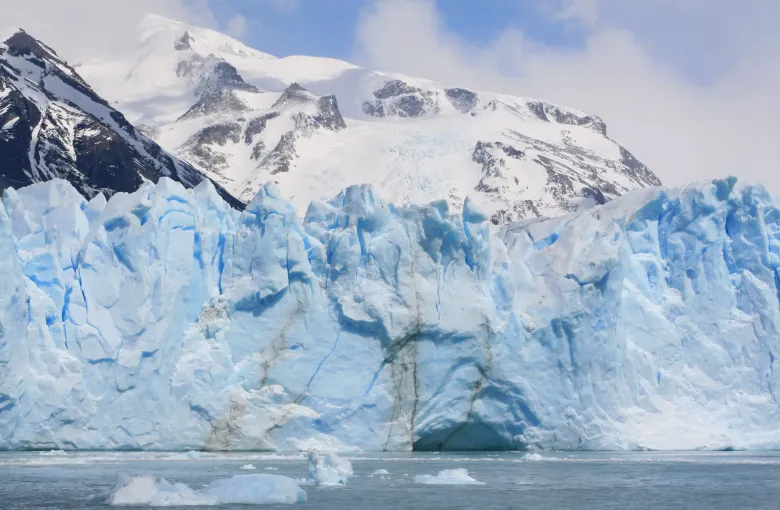
Temperatures are cool even in summer and the weather changes several times within a single day. Los Glaciares sits in the southwest of Santa Cruz Province and takes its name from the ice field above it, which is a long standing joint project with neighboring Chile. Sun, sleet and a clear afternoon in the same day is ordinary rather than remarkable.
What to take from this
Layers, in every region and every season, and a genuine windproof shell if Patagonia is on the itinerary. The packing list works through that in detail. The single most common error is packing for the country as though it had one climate, which is how people arrive in Ushuaia with clothes chosen for Buenos Aires.
Sources
- UNESCO World Heritage Centre: Los Glaciares National Park, inscribed 1981 under criteria (vii) and (viii), a property of 726,927 hectares in Santa Cruz Province, with Lake Argentino 160 kilometers long and three glaciers meeting at its far end. Accessed 16 September 2026.
- UNESCO World Heritage Centre: Quebrada de Humahuaca, inscribed 2003 under criteria (ii), (iv) and (v), a property of 172,116 hectares in the Province of Jujuy following the Rio Grande some 150 kilometers, with visible evidence of use as a major trade route over the past 10,000 years. Accessed 16 September 2026.
- UNESCO World Heritage Centre: Iguazu National Park, inscribed 1984 under criteria (vii) and (x), a property of 55,000 hectares in Misiones Province bordering the Brazilian state of Parana and its sister park Iguacu. Accessed 16 September 2026.
- UK Foreign, Commonwealth & Development Office: Argentina health: the emergency ambulance number 107 or 911, the eight week lead time for vaccine advice before travel, altitude sickness as a risk in parts of the country, hantavirus as present in Argentina, dengue and Zika, and the variable legal status of medication. Accessed 16 September 2026.
Other Articles
Best Time to Visit Argentina
Argentina Packing List