Argentina runs from the subtropics to the edge of the Antarctic. That single fact governs every decision on this page. There is no month that is good everywhere, and any guide that offers you one is describing Buenos Aires and calling it the country.
Remember that the seasons are inverted. December, January and February are high summer. June, July and August are winter. If you are used to planning around a northern calendar, the easiest mistake is to book what feels like spring and arrive in the fall.
Patagonia decides your calendar
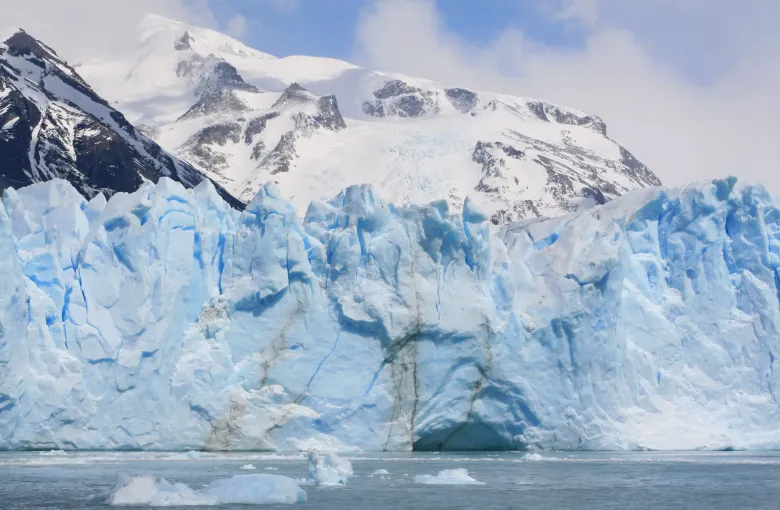
If Los Glaciares is on your itinerary, it sets the dates and everything else fits around it. The austral summer, roughly November through March, is when the days are long, the trails above El Chalten are open and the boats onto Lake Argentino run most reliably. The lake is 160 kilometers long and the weather at one end of it is not the weather at the other.
Two things to expect rather than hope against. The wind is the defining feature of Patagonia and not an occasional inconvenience, and the weather changes several times a day at any time of year. Shoulder months, late October and April, buy you thinner crowds and a real chance of losing a day to conditions. The packing list is built around this.
The northwest is a dry season destination
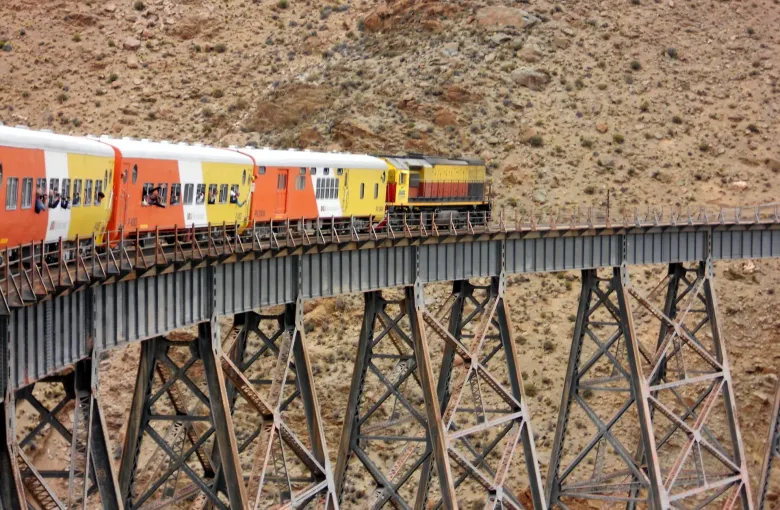
The Quebrada de Humahuaca is a narrow arid valley flanked by the high plateau of the Puna, and its rain arrives in the southern summer. The comfortable window is the dry part of the year, roughly April through October, when the days are bright and the nights are cold. The temperature swing between the two is large and it is the thing visitors underestimate.
This is also the part of Argentina where altitude has to be planned for rather than absorbed on arrival. Altitude sickness is a risk in the northwest. Acclimatize before you walk high, never during, and give the region a day at the start rather than treating it as a stop between two flights.
Iguazu is a year round destination with a caveat
Iguazu National Park sits in Misiones Province, in the subtropical northeast, and it is warm and humid all year. There is no dry season in the sense the northwest has one. The falls are at their most spectacular after heavy rain, which is not something you can book, and the summer months are genuinely hot and crowded because they coincide with the Argentine school holidays.
The health note belongs here rather than in a footnote. The yellow fever vaccine is recommended for travelers aged nine months and over going to Corrientes and Misiones Provinces, and it is not an entry requirement for Argentina. If Iguazu is on your itinerary, raise it with a travel clinic ideally eight weeks before departure.
Buenos Aires, and the two weeks worth timing for
The city is most comfortable in the shoulder seasons, in spring from September to November and in fall from March to May. Summer is hot and humid and the city empties out in January as residents leave for the coast, which changes the character of the place in ways you may or may not want.
If you have any flexibility at all, aim for the jacarandas. They flower from late October into December and turn whole avenues purple. It is the one piece of timing in Argentina that is purely about beauty and costs nothing to arrange.
Mendoza and the harvest
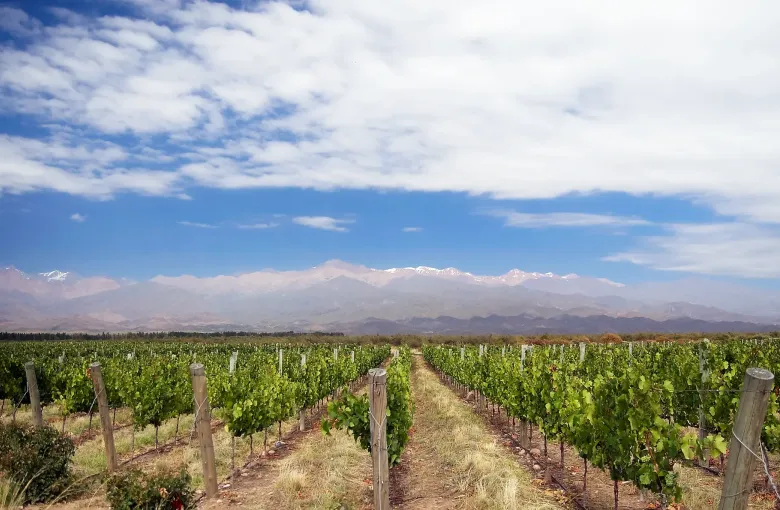
Mendoza is dry almost all year, sitting in the rain shadow of the Andes, which is what makes it wine country. The Fiesta Nacional de la Vendimia, the grape harvest festival, falls in early March and is the busiest week of the Mendoza year. Book well ahead for it, or deliberately avoid it.
Putting it together
The honest summary is that Patagonia and the northwest want opposite halves of the year, and a single trip that does both properly is either a compromise or a long trip. November and March are the two months that come closest to serving everything at once, which is why they are also the months everybody else chooses.
Sources
- UNESCO World Heritage Centre: Los Glaciares National Park, inscribed 1981 under criteria (vii) and (viii), a property of 726,927 hectares in Santa Cruz Province, with Lake Argentino 160 kilometers long and three glaciers meeting at its far end. Accessed 16 September 2026.
- UNESCO World Heritage Centre: Quebrada de Humahuaca, inscribed 2003 under criteria (ii), (iv) and (v), a property of 172,116 hectares in the Province of Jujuy following the Rio Grande some 150 kilometers, with visible evidence of use as a major trade route over the past 10,000 years. Accessed 16 September 2026.
- UNESCO World Heritage Centre: Iguazu National Park, inscribed 1984 under criteria (vii) and (x), a property of 55,000 hectares in Misiones Province bordering the Brazilian state of Parana and its sister park Iguacu. Accessed 16 September 2026.
- UK Foreign, Commonwealth & Development Office: Argentina health: the emergency ambulance number 107 or 911, the eight week lead time for vaccine advice before travel, altitude sickness as a risk in parts of the country, hantavirus as present in Argentina, dengue and Zika, and the variable legal status of medication. Accessed 16 September 2026.
Other Articles
Argentina Weather Guide
Los Glaciares: Visitor and Heritage Guide