Age is not the useful variable for planning a trip to Argentina. Stamina, altitude tolerance and how you feel about a long travel day are, and those vary far more between two people of the same age than between two decades. What follows is about the three demands the country actually makes.
Distance is the first one
The gaps between Argentina's highlights are large, and the commonest planning error is an itinerary that looks reasonable on a map and is mostly airports. Buenos Aires, Iguazu, Salta and Patagonia are four separate flights, and doing all four in a fortnight means a travel day every third day.
Two or three regions done properly is a better trip than four done at speed, in a way that is true for everyone and more obviously true if a travel day costs you the following morning. Build in a genuine rest day after each internal flight rather than scheduling an excursion for the afternoon you land.
Altitude is the second
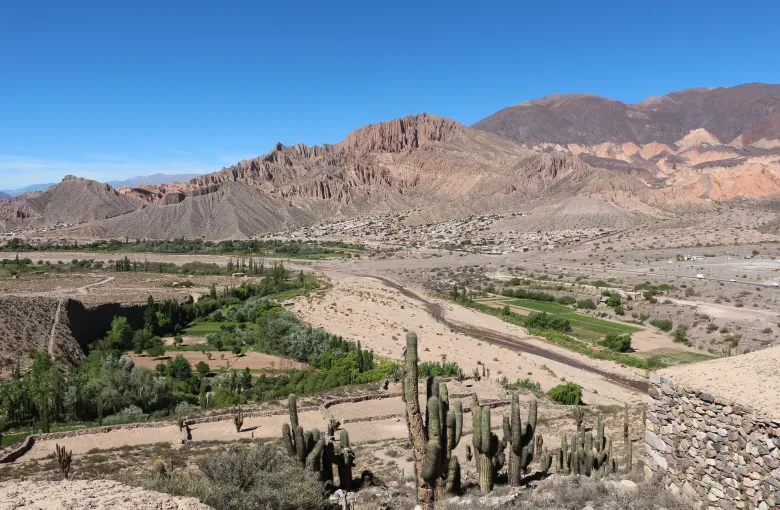
The northwest is high country, and this is the part of the itinerary that deserves deliberate planning. Altitude sickness is a risk in the region. Acclimatize before you walk high, never during.
The measures that help are unglamorous. Arrive and rest, and treat the first day as part of the trip rather than as time lost. Drink considerably more water than you would at home, in air this thin and dry. Eat lightly at first and go easy on alcohol. Ascend gradually where the route allows a choice.
Anyone with a heart or respiratory condition has a real conversation to have with their own clinician before committing to the northwest, and it should happen while there is still time to change the itinerary. This page publishes no medication and no dose. Whether to take anything, and what, is a conversation with that clinician, who knows your history.
The clock is the third
Dinner starts at nine at the earliest and ten is entirely normal. That is a real consideration for anyone whose medication or routine is tied to mealtimes, and it is easier to plan for than to fight.
Merienda, the late afternoon coffee and pastry, is the Argentine solution and it is a genuine one: eat properly at five or six and a late dinner becomes a social occasion rather than a necessity. Hotel restaurants and places in tourist districts serve earlier. The food guide sets out the whole rhythm.
Underfoot
Buenos Aires is flat, which helps a great deal. Its sidewalks are uneven, tiled and often broken, and San Telmo's cobbles are original. Puerto Madero's level brick promenades are the easiest walking in the city.
The northwest villages are cobbled and steep. Patagonia involves gravel, wind and distance. Footwear with grip and ankle support does more for comfort here than almost anything else in the bag, and a walking pole is worth bringing if you use one at home.
Where the accessible options are
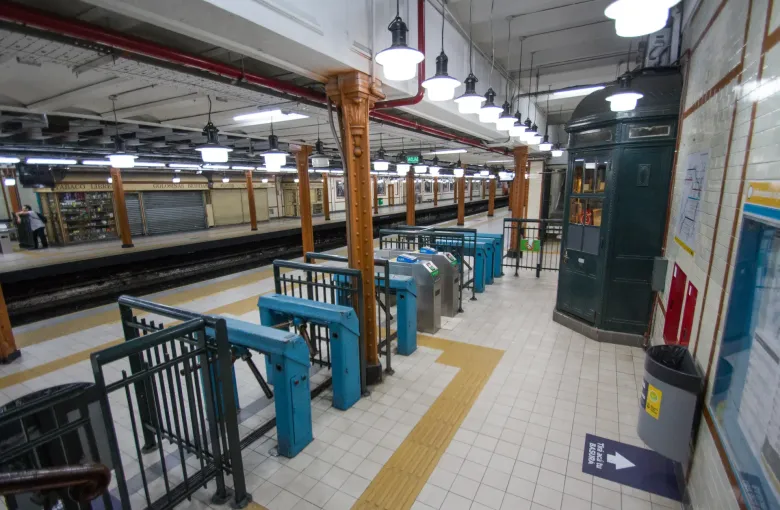
The Perito Moreno walkways in Los Glaciares are the outstanding case of a major sight reached without a hard walk, with viewing platforms at several levels opposite the ice. The accessibility guide covers the detail across the country, including the Subte's uneven provision and which parts of Iguazu are boardwalk.
Health and insurance
Take out appropriate travel insurance before you travel, and make sure it covers local treatment and unexpected medical evacuation. That second part is not a formality in Argentina: Patagonia and the northwest put real distance between a traveler and a major hospital, and evacuation is the expensive scenario.
The emergency medical number is 107, or 911, and ask for an ambulance. Contact your insurance or medical assistance company quickly if you are referred to a facility for treatment. Carry medication in original labeled packaging with a copy of the prescription, and carry more than the trip needs in case of delay. Consult a travel clinic ideally eight weeks before departure, which is also long enough for the yellow fever vaccine to be considered if Corrientes or Misiones is on your itinerary; it is recommended there and it is not an entry requirement for Argentina.
Everyday care
The ordinary precautions in the safety guide apply without modification. Avoid casual taxis and book by telephone or app. Avoid wearing expensive jewelry in public. If you are the victim of a robbery, hand over your cash and valuables without resistance.
Verify Before You Travel
Insurance terms on medical evacuation and pre existing conditions vary sharply between policies, and the difference matters most in exactly the regions this page recommends planning for. Confirm the specifics with your insurer in writing before you travel.
Sources
- UK Foreign, Commonwealth & Development Office: Argentina health: the emergency ambulance number 107 or 911, the eight week lead time for vaccine advice before travel, altitude sickness as a risk in parts of the country, hantavirus as present in Argentina, dengue and Zika, and the variable legal status of medication. Accessed 16 September 2026.
- UK Foreign, Commonwealth & Development Office: Argentina safety and security: that terrorist attacks cannot be ruled out, that groups of demonstrators known as piqueteros sometimes block major roads including the routes into and out of Buenos Aires City, the advice to hand over cash and valuables without resistance, express kidnapping and the emptying of accounts at ATMs, the warning for La Boca outside the Caminito tourist area, for downtown Mendoza and for Rosario in Santa Fe, the advice to avoid casual taxis, and drink and food spiking. Accessed 16 September 2026.
- Centers for Disease Control and Prevention: Argentina traveler health: yellow fever vaccine recommended for all travelers aged nine months and over going to Corrientes and Misiones Provinces, generally not recommended for Formosa or for designated areas of Chaco, Jujuy and Salta, not recommended elsewhere, and not required as a condition of entry, updated 23 April 2025. Accessed 16 September 2026.
- UNESCO World Heritage Centre: Quebrada de Humahuaca, inscribed 2003 under criteria (ii), (iv) and (v), a property of 172,116 hectares in the Province of Jujuy following the Rio Grande some 150 kilometers, with visible evidence of use as a major trade route over the past 10,000 years. Accessed 16 September 2026.
Other Articles
Accessible Travel in Argentina
Getting Around Argentina