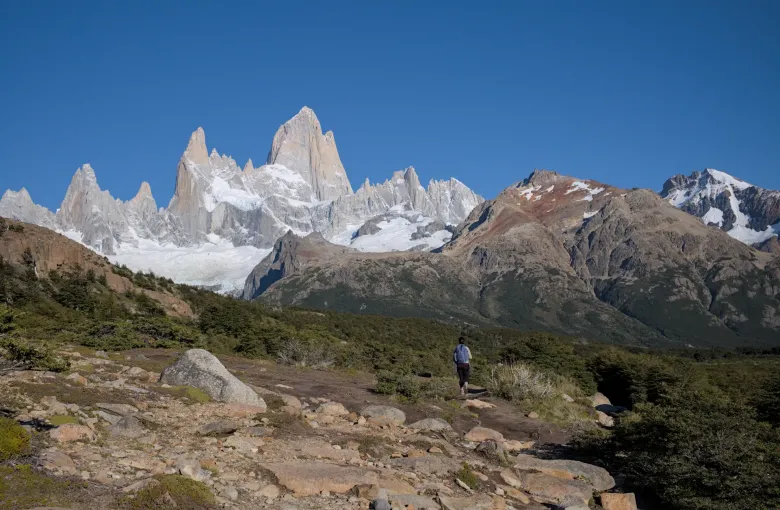
Argentina is not a country that comes with a map of places you may not go. There is no list of restricted provinces, and nothing in the advisory this page cites tells a visitor to avoid a region. What the sources do name is narrower and more useful: a handful of specific neighborhoods, one crime that works differently from the mugging most travelers picture, and a form of protest that will disrupt your itinerary without ever threatening you.
The standing caution is worth repeating because it applies everywhere and to everyone: no travel can be guaranteed safe. Terrorist attacks in Argentina cannot be ruled out, and attacks could be indiscriminate, including in places visited by foreign nationals. That is the same sentence the same source writes about most of the world, and it is not a statement that Argentina is unusual.
The places the advisory actually names
Three named warnings, and they are specific enough to act on.
- La Boca, Buenos Aires. Be vigilant, especially in the streets outside the Caminito tourist area. The advice is to stay in the designated tourist area, where there are high visibility police patrols. This is the one that catches people out, because Caminito is a few short blocks and the neighborhood around it is much larger. Walking two streets in the wrong direction is the whole of the risk.
- Downtown Mendoza. Be particularly cautious in the center of the city.
- Rosario, in Santa Fe Province. Named specifically within that province.
Thieves and pickpockets work the places you would expect: crowded streets, public transport, bus and ferry terminals. Armed robberies are a risk. If you are the victim of a robbery, hand over your cash and valuables without resistance. That instruction comes straight from the source and it runs against instinct, which is exactly why it is worth reading before you need it rather than after.
Express kidnapping, and why it changes how you carry money
Kidnappings including express kidnappings, which are short term opportunistic abductions, occasionally happen in Argentina. The pattern is specific: victims are held and forced to empty their bank accounts by making transfers or going to ATMs, after which they are normally quickly released. The crime is aimed at the balance you can reach in an hour, not at a ransom.
That shape suggests its own precautions. Do not carry every card you own. Know what your daily withdrawal ceiling is, because it is also the ceiling on this. Avoid wearing expensive clothing or jewelry in public, be aware of your surroundings, be vigilant at night, and let somebody you trust know where you are going.
Drinks and food can be spiked, which puts you at risk of robbery or assault. Do not leave drinks unattended in bars and restaurants, and do not accept food or drink from strangers.
Taxis
Avoid casual taxis. Use a licensed radio taxi booked by telephone or through an app, or have your hotel call the car. This matters most at the moments you are least inclined to be careful about it, which are late at night and on arrival at a terminal with luggage. The transportation guide sets out the alternatives in more detail.
Piqueteros, and why this is a calendar problem
Groups of demonstrators known as piqueteros sometimes block major roads at times of social unrest, and these can include the major routes into and out of Buenos Aires City. The effect is significant delays.
Read that as a scheduling risk rather than a safety one. It is the reason not to plan a same day connection between a long distance bus and an international flight, and the reason to leave a margin on the day you fly home. When you are planning to travel, monitor the local news, do not attempt to cross blockades, and follow the advice of local authorities. Demonstrations and picketing are a normal part of political life here and are usually announced in advance.
Health, briefly
The emergency medical number is 107, or 911, and ask for an ambulance. Contact your insurance or medical assistance company quickly if you are referred to a facility for treatment.
Two health facts belong on this page rather than buried. The yellow fever vaccine is recommended for travelers aged nine months and over going to Corrientes and Misiones Provinces, which is where Iguazu is, and it is generally not recommended for Formosa or for designated areas of Chaco, Jujuy and Salta, and not recommended for travel limited anywhere else, which covers Buenos Aires, Mendoza and Patagonia. It is not an entry requirement for Argentina. And altitude sickness is a risk in the northwest. Acclimatize before you walk high, never during. The packing list and the weather guide both return to the northwest, because it is the part of the country that asks something of you physically.
This cluster publishes no malaria advice for Argentina, because the cached source names no risk area and no province. Hantavirus is present in Argentina, and dengue and Zika are on the list of risks a travel clinic will raise with you. Consult a travel clinic ideally eight weeks before departure. This page publishes no medication and no dose. Whether to take anything, and what, is a conversation with your own clinician, who knows your history.
Verify Before You Travel
Safety guidance changes, and the version of it that matters is the one published the week you fly. Check the United States Department of State advisory for Argentina and the CDC destination page before you book and again before you go.
Sources
- UK Foreign, Commonwealth & Development Office: Argentina travel advice: the standing statement that no travel can be guaranteed safe, and the index to the entry, safety and health pages this cluster draws on. Accessed 16 September 2026.
- UK Foreign, Commonwealth & Development Office: Argentina safety and security: that terrorist attacks cannot be ruled out, that groups of demonstrators known as piqueteros sometimes block major roads including the routes into and out of Buenos Aires City, the advice to hand over cash and valuables without resistance, express kidnapping and the emptying of accounts at ATMs, the warning for La Boca outside the Caminito tourist area, for downtown Mendoza and for Rosario in Santa Fe, the advice to avoid casual taxis, and drink and food spiking. Accessed 16 September 2026.
- UK Foreign, Commonwealth & Development Office: Argentina health: the emergency ambulance number 107 or 911, the eight week lead time for vaccine advice before travel, altitude sickness as a risk in parts of the country, hantavirus as present in Argentina, dengue and Zika, and the variable legal status of medication. Accessed 16 September 2026.
- Centers for Disease Control and Prevention: Argentina traveler health: yellow fever vaccine recommended for all travelers aged nine months and over going to Corrientes and Misiones Provinces, generally not recommended for Formosa or for designated areas of Chaco, Jujuy and Salta, not recommended elsewhere, and not required as a condition of entry, updated 23 April 2025. Accessed 16 September 2026.
Other Articles
Getting Around Argentina
Argentina Visa and Entry Requirements