The safety advice that matters most in Texas is not about people. It is about heat, water and distance. Visitors who come to grief here most often do so on a hot trail without enough water, on a road covered by floodwater, or at the end of a long drive. Each of these has a simple rule, and following it removes most of the risk.
Emergencies
Call 911 for police, fire or medical emergencies anywhere in Texas. For a mental health crisis, call or text 988 to reach the Suicide and Crisis Lifeline. Save your hotel's address in your phone so you can give it quickly.
Heat
The National Weather Service describes heat as very taxing on the body, and the Centers for Disease Control and Prevention puts staying cool, staying hydrated and knowing the symptoms at the center of protection. Drink water steadily through the day, rest in shade or air conditioning, and schedule hikes for early morning. Never leave a person or a pet in a parked car, even briefly. Confusion or a very high body temperature is a medical emergency.
Water on the road
The National Weather Service records that more deaths occur due to flooding than from any other thunderstorm related hazard, and that it is never safe to drive or walk into flood waters. A mere 6 inches of fast moving water can knock over an adult. The rule is Turn Around Don't Drown: if water covers the road, find another way, and never drive around a barrier.
Storms and hurricanes
Turn on weather alerts in your phone settings and check the forecast each morning, especially in spring. On the Gulf Coast, the Atlantic hurricane season runs from June 1 to November 30. If a storm is forecast while you are there, follow local officials, and leave when told to.
On the trail
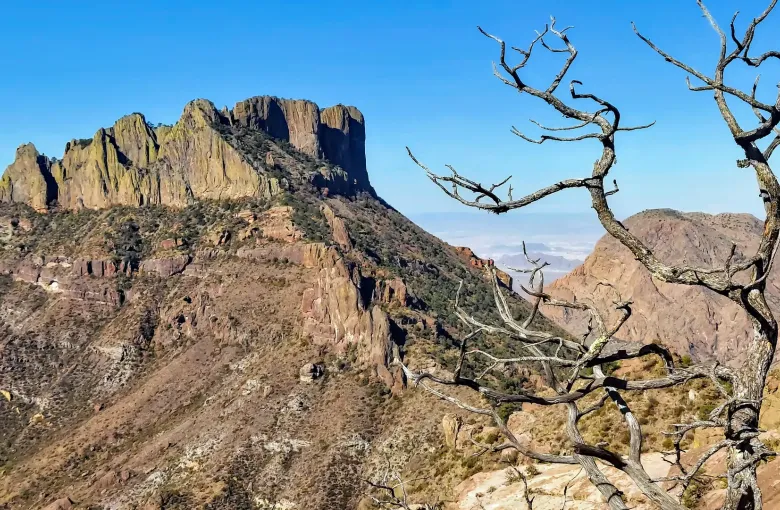
In parks like Big Bend, carry more water than you think you need, tell someone your plan, and turn back early in the heat of the day. Trailheads in Big Bend carry warnings about black bears and other wildlife; read them and follow the food storage rules. Rattlesnakes are common in rocky country, so watch where you put your hands and feet. Phone service is unreliable in remote areas, so carry an offline map.
On the road
Driving is the biggest everyday risk on any Texas trip. Rest before a long drive, share the driving if you can, and avoid stretching a day past dark in unfamiliar country, where deer and livestock can be on the road. Fill the tank before long empty stretches in West Texas.
In the cities
Texas cities ask for the same everyday sense you would use at home: keep valuables out of sight in a parked car, stay aware in crowds at festivals and games, and use rideshare or a taxi late at night. Ask your hotel about any area they would avoid after dark.
Insurance
Even on a domestic trip, check what your health insurance covers away from home and in an emergency room, and consider travel insurance for prepaid tours and flights, especially in hurricane season.
Sources
- National Weather Service: Turn Around Don't Drown: the flood safety campaign, recording that more deaths occur due to flooding than from any other thunderstorm related hazard, that 12 inches of rushing water can carry away most cars, and that it is never safe to drive or walk into flood waters. Accessed 11 October 2026.
- National Weather Service: Heat safety: the record that heat can be very taxing on the body, with the warning signs of heat related illness and the steps to take. Accessed 11 October 2026.
- Centers for Disease Control and Prevention: Heat and health: protecting yourself from extreme heat by staying cool, staying hydrated, and knowing the symptoms of heat related illness. Accessed 11 October 2026.
- National Hurricane Center: Tropical cyclone climatology: the Atlantic hurricane season runs from June 1 to November 30, and its statistical peak is September 10. Accessed 11 October 2026.
- National Park Service: Big Bend National Park: the Rio Grande as the park's southern boundary, the Chihuahuan Desert, and four developed campgrounds. Accessed 11 October 2026.
Other Articles
Texas Weather Guide
Getting Around Texas