The quick answer
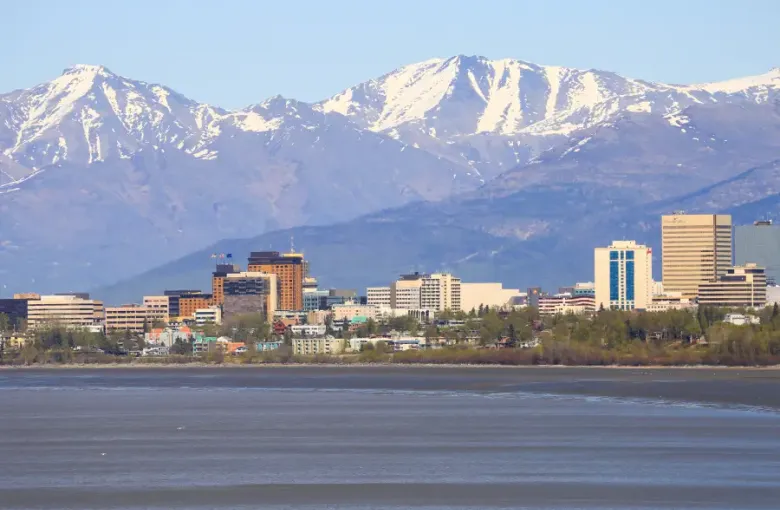
Alaska is roughly a fifth the size of the rest of the United States and has a road network that covers a small fraction of it. Juneau, the state capital, cannot be reached by road at all. Getting around is therefore a genuine planning problem rather than a detail, and the answer is usually a combination of ship, ferry, train, small aircraft and car.
The options
Cruise ship
How most visitors see the Southeast, and there is no need to be sniffy about it: the Inside Passage is a marine route between communities that have no roads, so a ship is the historically normal way to travel there. It also solves accommodation and food in a region where both are expensive.
The Alaska Marine Highway
The state ferry system, and one of the best-value travel experiences in North America. It carries vehicles and foot passengers between Southeast and Southcentral communities on a working schedule used by residents. Cabins are limited and many passengers sleep in the solarium or pitch a tent on deck, which is a legitimate and much-loved way to travel. Book vehicle space months ahead for summer, and check the current schedule carefully, because sailings are not daily and a missed connection can cost days.
The Alaska Railroad
Anchorage to Fairbanks by way of Talkeetna and Denali, plus the Seward and Whittier lines. It is comfortable, scenic and unhurried, the domed cars are worth the upgrade, and it connects the places most itineraries want. It is transport that is also an activity.
Small aircraft
In much of Alaska the airplane is the bus. Scheduled and charter flights connect communities with no other access, and flightseeing over Denali or a glacier landing is one of the great experiences here. Two things to know: weather cancels flights routinely, and baggage allowances on small aircraft are strict and low. Build slack around anything that depends on flying.
Driving
Excellent on the road system, which links Anchorage, Fairbanks, the Kenai Peninsula, Valdez and the highway to Canada. Distances are long, services are far apart, and a lot of the interesting side routes are gravel. Points that catch people out:
- Many rental agreements prohibit driving on specific gravel highways, including the best-known ones. Read the contract rather than assuming.
- Fuel stops can be a long way apart. Fill up on the way past, not on the way back.
- Wildlife on the road is a real hazard, especially at dawn and dusk, and a moose is a very serious collision.
- Recreational vehicles are popular and slow. Plan for the pace rather than being annoyed by it.
Inside the parks
Access rules differ park by park and are set by the National Park Service. Denali in particular restricts private vehicles beyond a point on its single road and moves visitors by park bus, and the road has been affected by a landslide, so the arrangements have changed more than once in recent years. Check current access with the park itself rather than with a tour listing.
Putting it together
A good Alaskan itinerary usually mixes modes rather than picking one, and it moves less than a first-time planner expects. Two or three bases, connected by a ferry leg, a rail leg and perhaps one flight, is a far better trip than five towns and a lot of driving.
Planning with LABUSA Travel
We build routes around real connections and real schedules, and we will tell you when a leg that looks short on the map is a day of your trip.
Sources
- Alaska Marine Highway System: the state ferry network, its routes, vehicle decks and seasonal schedules. Accessed 11 August 2026.
- US National Park Service: the authority for access, seasons and current conditions in every Alaskan national park. Accessed 11 August 2026.
- Travel Alaska, State of Alaska tourism office: the official state visitor information, including regional guides and seasonal planning. Accessed 11 August 2026.
Other Articles
Alaska Travel Safety Guide
Best Time to Visit Alaska