The quick answer
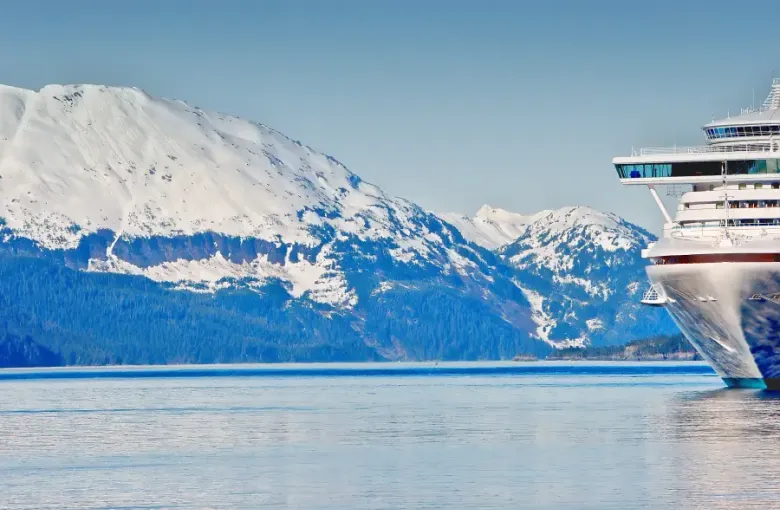
Alaska has a short season and it is not a marketing convention. Roughly mid-May to mid-September is when the cruise ships sail, the park buses run, the lodges open and the day is long enough to do anything with. Outside it, a large part of the visitor economy simply shuts, and that includes tour operators, seasonal restaurants and some transport.
Winter is not a cheaper version of that trip. It is a different trip, built around aurora, snow and very short days, and it is excellent on its own terms.
Month by month, in shape
Mid-May to mid-June
The best-kept part of the season. Everything is open, the days are already enormous, wildflowers are out, the mosquitoes have not yet peaked, prices are lower than July and there are fewer people everywhere. The trade is that the water is cold, some high trails are still under snow and a few back-country roads have not opened.
Late June to early August
Peak. Warmest, busiest, most expensive, and the most reliable weather for the interior. This is when the salmon runs bring the bears to the rivers, which is the single greatest wildlife spectacle in the state. Book everything far ahead.
Late August to mid-September
The other shoulder, and the connoisseur's answer. Tundra color turns spectacular, the mosquitoes fade, the first aurora becomes possible as the nights return, and the crowds thin. Weather is less settled and some services begin to close from early September.
Mid-September to April
Winter. Aurora season, dog sledding, ice fishing, hot springs and northern-lights lodges, concentrated around Fairbanks because it sits under the auroral oval and gets clearer, colder weather than the coast. Daylight is the governing constraint rather than temperature: in the deep midwinter interior you get a few hours of usable light, and cruise and park infrastructure is closed.
Light, which matters more than weather
At these latitudes the length of the day is the thing that shapes a trip. Around the solstice in June the interior barely gets dark, people play baseball at midnight, and you can hike at ten in the evening. In December the same place gets a few hours of low, blue light. Neither is a problem, but both need planning for: bring an eye mask in summer, and in winter build the day around the middle of it.
What the month decides
- Bears. Best viewing is tied to the salmon runs, roughly July and August, and differs by river and by park.
- Whales. Humpbacks are in Southeast waters through the summer, generally arriving in numbers by June.
- Aurora. Needs dark, so it is not visible in high summer at all. The season runs roughly late August to April, and it is about clear skies and patience.
- The ferry. The Alaska Marine Highway runs year round but sailings thin considerably in winter, and vehicle space books out months ahead in summer.
- Fishing. Species by species and river by river; ask about the run you want rather than about the state.
A word about crowds
Alaska is enormous and its visitors are concentrated into a few places and a few weeks. A port town on a day when four ships are in is a different experience from the same town the following morning. If crowds matter to you, the shoulders are the answer, and so is going one valley further than the itinerary suggests.
Planning with LABUSA Travel
We will tell you what is actually open in your month, which parts of a route depend on a seasonal service, and where a week either side of your dates would change the trip.
Sources
- Travel Alaska, State of Alaska tourism office: the official state visitor information, including regional guides and seasonal planning. Accessed 11 August 2026.
- US National Park Service: the authority for access, seasons and current conditions in every Alaskan national park. Accessed 11 August 2026.
- Alaska Marine Highway System: the state ferry network, its routes, vehicle decks and seasonal schedules. Accessed 11 August 2026.
Other Articles
Alaska Weather Guide
Denali National Park: A Visitor Guide