The quick answer
Alaska suits older travelers extremely well, and it is one of the most popular destinations for exactly this reason. The two things that spoil trips are overplanning and underestimating the cold and wet. Neither is difficult to avoid.
Choose the spine of the trip first
The single best decision is what carries you. A cruise moves you between places with no roads while you sleep, and solves food, accommodation and luggage. The Alaska Railroad does something similar on land, comfortably and slowly. Build around one of those and add a few days at either end, and the trip largely plans itself.
A driving itinerary is rewarding and much more demanding: long distances, few services, wildlife on the road and weather that changes the day.
Pacing
- Three nights minimum in each base. Two is a travel day with a rest day attached.
- One significant activity a day, not two. A flightseeing trip or a full-day boat is a whole day including the tiredness afterwards.
- Put the most physically demanding thing early in the trip.
- Leave slack for weather, because Alaska will use it.
The light, which affects sleep more than people expect
In midsummer it does not get properly dark, and that disrupts sleep for a lot of people. Bring an eye mask, be deliberate about bedtime, and do not be surprised to feel oddly tired in the middle of a bright evening. In winter the opposite applies and the short days can flatten mood; get outside during the light there is.
Cold, wet and wind
The temperature is rarely extreme in summer but wind and damp make it feel far colder, especially on deck or at a glacier face. Good layers and a proper waterproof matter more here than at almost any destination, and getting cold and wet is what turns an enjoyable day into an exhausting one. Handrails, wet gangways, boat decks and icy boardwalks are the practical hazards; take your time and use the rail.
Activities, and how they scale
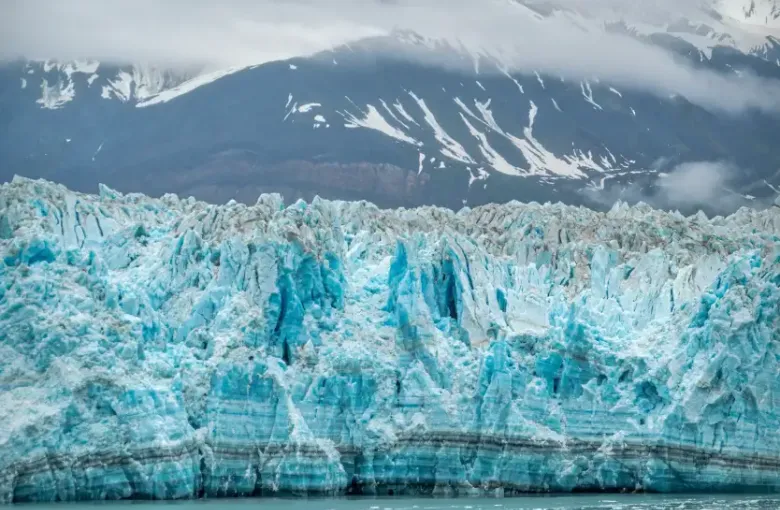
- Glacier and wildlife cruising is the best reward for the least effort in the state, and involves no walking at all.
- The railroad, particularly in a dome car, is comfortable and spectacular.
- Denali park buses are long days seated, with the caveat that toilets are at stops rather than aboard on some services. Ask.
- Flightseeing is extraordinary and involves small aircraft, high steps and turbulence. Ask about the aircraft and be honest about mobility.
- Glacier trekking, kayaking and long hikes have real physical demands. Operators ask health questions for good reasons; answer them accurately.
Health and remoteness
This is the part that differs from a domestic trip in the Lower 48. Serious hospitals are in Anchorage and a few other cities, and much of what you will want to see is a flight away from them.
- Take insurance that explicitly covers your age, pre-existing conditions and medical evacuation.
- Carry medication in original labeled packaging in hand luggage, with more than the trip needs and a copy of the prescription.
- Carry a written summary of conditions, medication and allergies.
- Tell the operator about mobility or cardiac limits before the day, not on the dock.
- If you use oxygen or have equipment needs, raise it at booking: aircraft and small vessels have rules about it.
Planning with LABUSA Travel
We build slower Alaskan itineraries as a matter of course, choose ships and lodges on what they are actually like rather than on the brochure, and say plainly when something is more demanding than it is being sold as.
Sources
- US National Park Service: the authority for access, seasons and current conditions in every Alaskan national park. Accessed 11 August 2026.
- Alaska Marine Highway System: the state ferry network, its routes, vehicle decks and seasonal schedules. Accessed 11 August 2026.
- US Centers for Disease Control and Prevention: travel health guidance, including cold exposure and outdoor risks. Accessed 11 August 2026.
- Travel Alaska, State of Alaska tourism office: the official state visitor information, including regional guides and seasonal planning. Accessed 11 August 2026.
Other Articles
Accessible Travel in Alaska
Getting Around Alaska