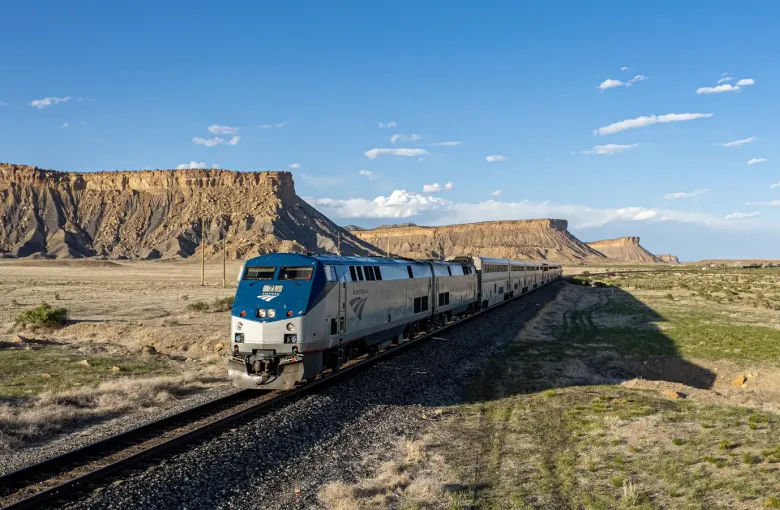
Older travelers do very well in the United States, and the reasons are practical rather than sentimental: the medical system is close at hand, the language is not a barrier, the driving is easy, and much of the best scenery is reachable from a car park. What needs thought is the shape of the itinerary rather than the capability of the traveler.
The Senior Pass
The National Park Service issues a Senior Pass to United States citizens and permanent residents aged sixty two and over, available as an annual or a lifetime pass, covering entrance and standard amenity fees at federal recreation sites. The lifetime version is one of the better deals in American travel and pays for itself quickly on a parks trip. It also gives discounts on some expanded amenity fees, such as certain campgrounds. As with the other passes in the America the Beautiful series, it covers entrance rather than camping, tours, lodging and concessioner run services, so budget those separately, and check current prices when you buy.
Pace, and the length of a driving day
The single change that improves an American itinerary most is doing less of it. Distances tempt people into long driving days, and six hours behind the wheel takes more out of a trip than the mileage suggests. Two or three nights in a place rather than one, arrival before dark, and a rest day in the middle of a two week route are worth more than an extra destination. Flying the long legs and driving the interesting ones is usually better value in energy than in money.
Altitude, heat and the two that surprise people
Many of the western destinations sit high. Denver is above five thousand feet, mountain resorts commonly above eight, and park roads cross higher passes still. Arriving from sea level and walking hard on the first day is how a good trip starts badly. Take the first day gently, drink more water than usual, and be cautious with alcohol for the first day or two.
Heat is the other one. It is the country's most harmful weather hazard and it works gradually. Plan the walking for the morning, and treat an afternoon in the desert or the southern summer as something to schedule around rather than through.
Health, before you go
There is nothing to arrange medically for a domestic trip: the public health record for this country carries no entry vaccination requirement and no travel specific medication, and asks only that routine vaccinations are up to date and that ordinary precautions are taken. That makes the preparation practical rather than clinical. Carry medication in original labeled containers in a carry on bag, with enough for the trip and some margin. Take a written list of prescriptions and dosages, your insurance details and an emergency contact. Check what your plan covers away from home, including whether a hospital in another state is in network, because that is the domestic gap most people do not think about until they need it. The travel safety guide in this cluster covers it in more detail.
What to ask for
- Senior rates. Widely offered on transit, museums, attractions, hotels and some rail fares, and frequently not advertised. Ask.
- Accessible or ground floor rooms, confirmed with the property directly.
- Airport assistance, arranged with the airline at booking. Distances between gates in the large hubs are considerable.
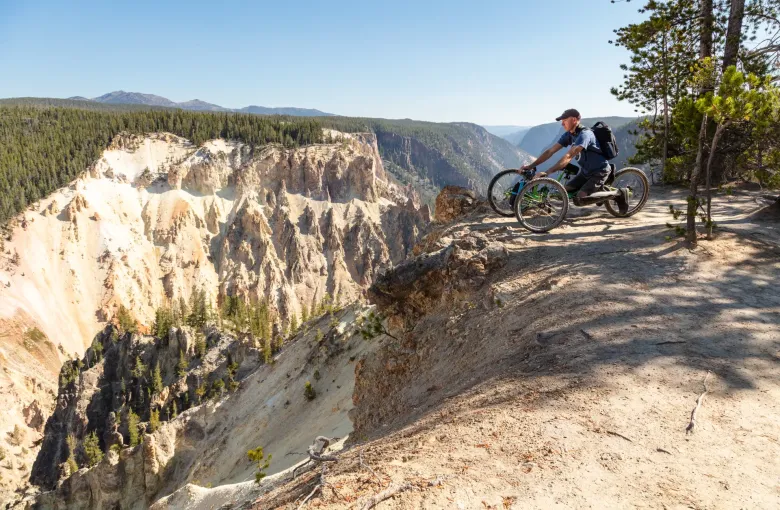
- Park shuttles and accessible viewpoints, which in several parks reach the best of it without a hike.
- Scenic drives, which in this country are a genuine category of experience rather than a consolation.
Trips that suit the pace
The national parks by car with a pass in hand, a rail journey through the mountain West taken as the point rather than as transport, a coastal drive with short days, or a single city used as a base for a week all work well. So do the civil rights and diaspora routes in this cluster, which are mostly museums, churches and short walks rather than terrain.
Sources
- National Park Service: Passes: the America the Beautiful series, including the annual, senior, military, access and fourth grade passes, what each covers at federal recreation sites, and the note that a pass covers entrance and standard amenity fees rather than every charge inside a park. Accessed 17 September 2026.
- National Weather Service: Safety: the hazard by hazard public safety material covering heat, lightning, flooding including flash flooding on roads, winter storms, tornadoes, hurricanes and wildfire smoke, and the standing advice to know the forecast and the alerts for where you are going. Accessed 17 September 2026.
- Centers for Disease Control and Prevention: United States traveler health: a destination record with no entry vaccination requirement, built around routine vaccines being up to date and ordinary precautions rather than travel specific prophylaxis. Accessed 17 September 2026.
Other Articles
Accessible Travel in the United States

United States Money and Costs Guide