Two calendars run at once here. The federal holidays decide when the roads and airports are full, and a much longer list of civic, cultural and regional events decides whether a particular town is the most interesting place in the country on a particular weekend. Planning around the first and toward the second is most of the art of timing an American trip.
The national calendar
- New Year's Day, 1 January.
- Martin Luther King Jr. Day, the third Monday in January, increasingly marked by service events and by programming at civil rights sites.
- Presidents' Day, the third Monday in February.
- Memorial Day, the last Monday in May, which opens the summer season.
- Juneteenth, 19 June, marking the announcement of emancipation in Galveston in 1865 and a federal holiday since 2021. Celebrations are strongest in Texas and across the South, and are now held nationwide.
- Independence Day, 4 July. Fireworks in almost every town and the heaviest single holiday for domestic travel.
- Labor Day, the first Monday in September, which closes it again.
- Indigenous Peoples' Day and Columbus Day, the second Monday in October, observed differently depending on the state and the city.
- Veterans Day, 11 November.
- Thanksgiving, the fourth Thursday in November, and the busiest travel week of the year by a distance.
- Christmas Day, 25 December.
The events worth building a route around
Mardi Gras in New Orleans is the best known, and the season runs for weeks before the day itself with parades across the city and through the surrounding parishes. The neighboring Gulf Coast celebrates it too, and Mobile's claim to the older American carnival is a serious one.
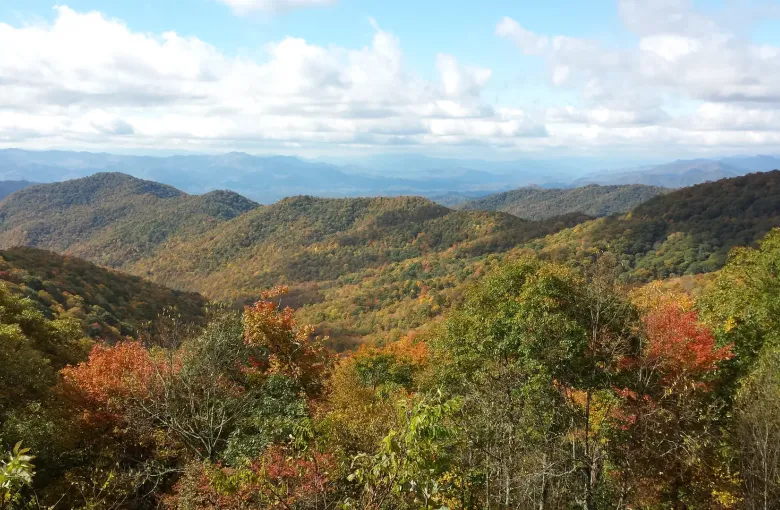
Jazz Fest in New Orleans in spring, South by Southwest in Austin in March, the Kentucky Derby on the first Saturday in May, the Albuquerque International Balloon Fiesta in October and the great state fairs of Texas, Minnesota and Iowa in late summer are each large enough to define a trip. So are the autumn colors of New England and the Blue Ridge, which behave like an event even though nobody organizes them.
Powwows are held across the country through the year and many welcome visitors, with etiquette set by the host nation about photography, seating and when to stand. Read the host's own guidance before attending rather than assuming.
City parades and neighborhood festivals
Saint Patrick's Day in Boston, Chicago and New York; Chinese New Year in San Francisco and New York; Puerto Rican Day and West Indian Day in New York; Fiesta in San Antonio; Pride in June in most major cities. These are civic occasions rather than tourist attractions, which is exactly what makes them worth attending.
Practical consequences
A federal holiday closes government offices, banks and post offices, and many museums either close or run reduced hours; shops and restaurants mostly do not. Hotel rates in a city hosting a major event rise steeply and sell out months ahead, and the national parks are at their busiest on the summer holiday weekends. If your dates are fixed, look up what is happening where you are going before you book. If your dates are flexible, the same search is how you find the best week of the year to be there.
Sources
- National Park Service: Entrance fee prices: the per park schedule of entrance fees, which differ by park and by whether a vehicle, an individual or a motorcycle is being admitted, and which are published per site rather than as one national figure. Accessed 17 September 2026.
Other Articles
Best Time to Visit the United States
Civil Rights Movement Sites: Visitor and Heritage Guide