The quick answer
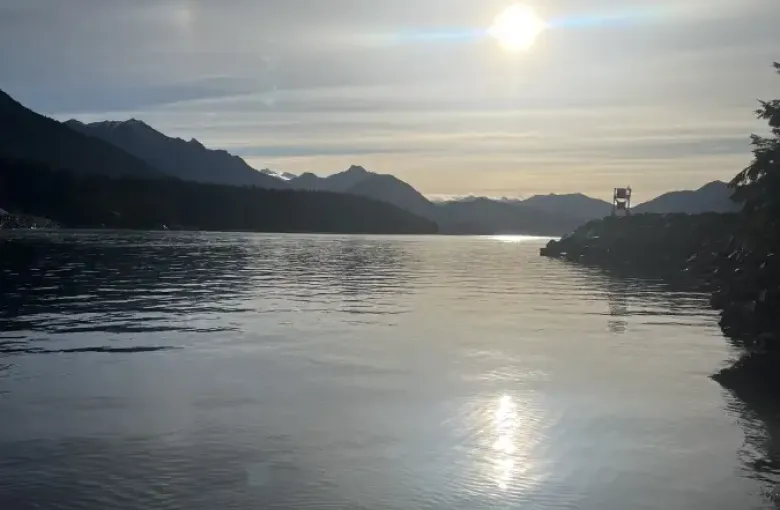
Sitka is the most historically layered town in Alaska. It was the capital of Russian America, it is Tlingit homeland, the transfer of Alaska to the United States was enacted here, and all three of those things are visible within a short walk. It is also beautiful, sitting on the outer coast under a volcano, and quieter than the big cruise ports.
History
Tlingit Sitka
The Sheet'ká Ḵwáan Tlingit have lived here for many centuries, and this was a wealthy, organized society long before any European arrived. That matters for reading everything that follows.
The Russians, and 1804
The Russian-American Company established itself on this coast for the sea otter fur trade. The Tlingit destroyed the first Russian settlement in 1802. In 1804 the Russians returned with naval support, and the Tlingit defended a fort at the mouth of the Indian River in what is remembered as the Battle of Sitka. The Tlingit withdrew rather than surrendered, and the site of that fort is the reason the national historical park exists.
Sitka then became New Archangel, the capital of Russian America, and for a while one of the busiest ports on the Pacific coast.
1867
The United States purchased Russian claims to Alaska, and the transfer ceremony took place at Sitka. It is worth being precise about what was and was not transferred: Russia sold what it claimed, and the Tlingit had never ceded their land to anybody. That unresolved question ran for more than a century and is part of what the 1971 land claims settlement finally addressed.
What to see
- Sitka National Historical Park. Alaska's oldest federal park, a coastal rainforest trail lined with Tlingit and Haida totem poles, leading to the 1804 battle site. The totems are the finest publicly accessible collection in the state.
- Saint Michael's Cathedral. The Russian Orthodox cathedral at the center of town. Orthodoxy did not leave when Russia did, and remains a living faith in Alaska Native communities along this coast.
- The Russian Bishop's House. One of the few surviving Russian colonial buildings in North America.
- Sheldon Jackson Museum for Alaska Native material culture, and the Alaska Raptor Center for rehabilitated eagles and owls.
- The Sitka Sound itself: otters, whales, and Mount Edgecumbe across the water.
⚠ It is not a World Heritage Site
Neither Sitka nor its historical park is inscribed on the UNESCO World Heritage List. Alaska's only inscription is the transboundary Kluane, Wrangell-St Elias, Glacier Bay and Tatshenshini-Alsek property. Sitka's protections are national, which has not made it any less carefully looked after.
Getting there
By air from Seattle or Juneau, or by Alaska Marine Highway ferry. Sitka sits on the outer coast rather than on the main Inside Passage channel, so fewer cruise ships call and those that do generally tender. That is precisely why it is worth the detour.
Visiting respectfully
The totem poles in the park are clan property with specific meanings, not decorations. Do not touch them or climb on anything. The Russian Orthodox cathedral is an active church, so dress and behave accordingly and check whether photography is permitted inside. And when reading the Russian period, remember whose land it was: the interpretation at the park does this well, and it is worth slowing down for.
Planning with LABUSA Travel
We build Sitka into Southeast itineraries that would otherwise skip it, with guides from the community, and time enough to walk the park properly rather than at cruise pace.
Sources
- US National Park Service, Sitka: Sitka National Historical Park, the 1804 battle and the totem collection. Accessed 11 August 2026.
- US National Park Service: the authority for access, seasons and current conditions in every Alaskan national park. Accessed 11 August 2026.
- Travel Alaska, State of Alaska tourism office: the official state visitor information, including regional guides and seasonal planning. Accessed 11 August 2026.
- US Bureau of Indian Affairs: the Alaska Native Claims Settlement Act of 1971 and the regional corporations it created. Accessed 11 August 2026.
Other Articles

Black and Native Heritage Travel in Alaska
Denali National Park: A Visitor Guide