Travel Tips · LABUSA Travel Journal
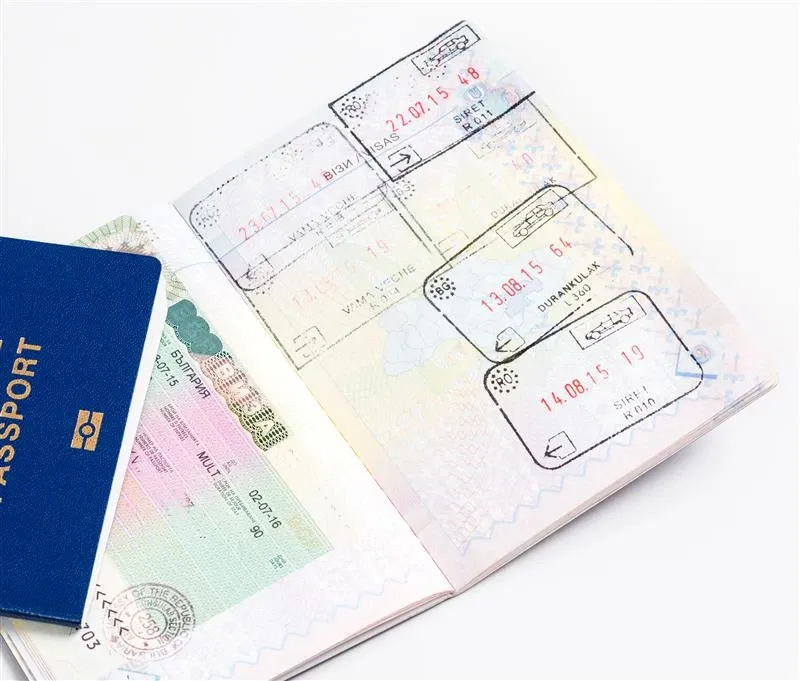
The United States passport still opens more doors than almost any other, but 2027 brings more paperwork before departure. Europe is preparing to launch its ETIAS travel authorization, South Korea's K-ETA exemption for Americans is due to expire, and a growing list of countries now expects an online authorization, eVisa or digital arrival card before you fly.
This 2027 guide sorts destinations by the kind of permission a U.S. citizen traveling for tourism needs, and highlights the changes to plan around this year.
Entry rules in this guide were checked against U.S. Department of State country information and official government sources on November 8, 2026. Rules change, sometimes with little notice, so confirm the current requirement for every country on your itinerary before you book.
What Changes for U.S. Travelers in 2027
- Europe: ETIAS is expected in 2027. The European Travel Information and Authorisation System is not yet operating, and the European Union has not announced a start date; it has said it will do so several months before launch. Once it starts, U.S. citizens will need an approved ETIAS to visit the Schengen countries and Cyprus. The announced fee is €20 (travelers under 18 or over 70 are exempt from the fee), and an approval is valid for three years or until your passport expires. A transition and grace period is planned after launch.
- Europe: the Entry/Exit System is already here. Since April 10, 2026, Schengen border officers no longer stamp passports. On your first entry, you register your fingerprints and a facial photo at the border, so allow extra time at airports.
- South Korea: K-ETA returns on January 1, 2027, unless extended. Korea's exemption for U.S. citizens runs through December 31, 2026. Unless it is extended again, Americans will need an approved K-ETA (KRW 10,000, valid for three years) before boarding a flight to Korea.
- Kazakhstan: QazETA is phased in. According to the U.S. Embassy, the free online QazETA becomes mandatory at Astana and Almaty airports on January 1, 2027, at all other border points on March 1, 2027, and for all foreign visitors from July 1, 2027. Apply at least 72 hours before travel.
- Thailand: 30 days, not 60. Since September 15, 2026, the visa-free stay for U.S. citizens is 30 days, with one extension of up to 30 days possible at an immigration office. The free Thailand Digital Arrival Card (TDAC) is required within three days before arrival.
- United Kingdom: the ETA costs more. The UK Electronic Travel Authorisation has been enforced at boarding since February 25, 2026. The fee rose to £20 on April 8, 2026, and an approval covers multiple trips for two years or until your passport expires.
- Japan: no new step yet. Japan plans to introduce its JESTA travel authorization in fiscal year 2028. Nothing extra is required for a 2027 trip.
- Bhutan: a discount with a deadline. The Sustainable Development Fee is $100 per night instead of $200 for travelers paying in U.S. dollars, a discount Bhutan's Department of Immigration lists as valid until August 31, 2027.
Visa-Free Countries for U.S. Passport Holders (No Advance Authorization)
These destinations admit U.S. citizens for tourism without a visa or an online travel authorization. Permitted stays usually range from 30 to 90 days, and some allow six months or more. Many still require a free digital arrival form, proof of onward travel or a passport valid for six months beyond your stay.
Europe: Schengen Area (90 Days in Any 180-Day Period)
Austria, Belgium, Bulgaria, Croatia, Czech Republic, Denmark, Estonia, Finland, France, Germany, Greece, Hungary, Iceland, Italy, Latvia, Liechtenstein, Lithuania, Luxembourg, Malta, Netherlands, Norway, Poland, Portugal, Romania, Slovakia, Slovenia, Spain, Sweden, Switzerland.
The 90 days are counted across the whole Schengen Area, not per country. ETIAS will be required for all of these countries once it launches.
Other European Countries
Albania, Andorra, Armenia, Bosnia and Herzegovina, Cyprus, Georgia, Ireland, Kosovo, Moldova, Monaco, Montenegro, North Macedonia, San Marino, Serbia, Turkey (90 days in any 180-day period).
The Americas and Caribbean
Antigua and Barbuda, Argentina, Aruba, Bahamas, Barbados, Belize, Bermuda, Bolivia (visa-free since December 2025), British Virgin Islands, Canada, Cayman Islands, Chile, Colombia, Costa Rica, Curaçao, Dominica, Dominican Republic, Ecuador, El Salvador, Grenada, Guatemala, Guyana, Honduras, Jamaica, Mexico, Nicaragua ($10 entry fee), Panama, Paraguay, Peru, St. Lucia, St. Vincent and the Grenadines, Trinidad and Tobago, Turks and Caicos, Uruguay.
Guatemala, El Salvador, Honduras and Nicaragua share a single 90-day allowance. Several countries require a free online form before arrival or departure, including Colombia (Check-MIG), the Dominican Republic (E-Ticket), Jamaica (C5 declaration), Guatemala, and the ED cards for Aruba, Barbados and Curaçao. Use the official government site; paid look-alike sites are common.
Asia
Hong Kong, Japan, Kyrgyzstan, Macau, Malaysia, Mongolia, Philippines, Singapore, Taiwan, Thailand (30 days).
Digital arrival cards are now the norm in the region: Malaysia (MDAC), Singapore (SG Arrival Card), Taiwan (TWAC), Thailand (TDAC) and the Philippines (eTravel). All are free on the official sites.
Africa
Botswana, Mauritius, Morocco, Senegal, South Africa, Tunisia, Zambia.
South Africa has required a free online traveler declaration since July 2026, and Mauritius asks for its All-in-One Travel Digital Form within 72 hours before arrival.
Oceania
Fiji, Kiribati, Marshall Islands, Micronesia, Palau, Samoa, Tonga, Vanuatu.
Visa-Free with an Online Travel Authorization (Apply Before You Fly)
These destinations do not require a visa, but U.S. citizens must hold an approved electronic travel authorization before boarding. Approval is usually quick, but apply at least several days ahead and only on the official government site or app.
- United Kingdom: UK ETA, £20, valid for two years.
- Israel: ETA-IL, 25 shekels, valid for up to two years. Apply at least 72 hours before travel.
- Australia: ETA (subclass 601), applied for through the Australian ETA app.
- New Zealand: NZeTA plus the International Visitor Conservation and Tourism Levy (NZD 100).
- Kenya: eTA, $30 standard. Travel health insurance has also been required since October 2026.
- Sri Lanka: ETA, free for U.S. citizens since May 25, 2026.
- Seychelles: online travel authorization, with a visitor's permit issued on arrival.
- South Korea: K-ETA, required from January 1, 2027, unless the exemption is extended.
- Kazakhstan: QazETA, free, phased in from January through July 2027.
- Schengen Area and Cyprus: ETIAS, once it launches (expected in 2027).
Visa on Arrival Countries for U.S. Passport Holders
U.S. travelers can obtain a tourist visa at the airport or land border on arrival. Fees and accepted payment methods vary, so carry U.S. dollars in cash. Several of these countries also offer an online version you can buy in advance, which is often faster.
Bahrain, Bangladesh, Cambodia, Egypt, Gambia, Indonesia (e-VOA available online), Jordan (fee waived with the Jordan Pass), Kuwait, Laos, Madagascar, Malawi, Maldives (free), Namibia (visa required since April 1, 2025; apply in advance through the online portal), Nepal, Qatar, Rwanda, Tanzania, Tuvalu, United Arab Emirates (free), Zimbabwe.
Countries Requiring an eVisa (Apply Online Before Travel)
U.S. passport holders must apply online and receive approval before departure for the following destinations:
- Azerbaijan
- Benin
- Bhutan (arranged through a licensed tour operator)
- Brazil (required since April 10, 2025; $80.90, valid for up to 10 years)
- Côte d'Ivoire (Ivory Coast)
- Ethiopia
- India (e-Tourist Visa)
- Oman
- Papua New Guinea (plus a free digital arrival card)
- Saudi Arabia
- Suriname (online entry fee)
- Togo
- Uganda
- Vietnam ($25 single entry, $50 multiple entry, up to 90 days)
Countries Requiring a Traditional Embassy Visa
These countries require U.S. citizens to obtain a visa through an embassy or consulate before travel. Expect longer processing times and more documentation.
- Algeria
- China (U.S. citizens may use the 240-hour visa-free transit policy when continuing to a third country)
- Ghana
- Liberia
- Nigeria (visa on arrival requires pre-approval)
- Pakistan
- Russia
- Venezuela
Countries Restricting Entry for U.S. Citizens
Some governments have stopped issuing visas to Americans, most in response to U.S. entry restrictions on their own citizens. As of November 2026:
- Burkina Faso: visas for U.S. citizens suspended since December 30, 2025.
- Mali and Gabon: visas for U.S. citizens suspended since January 1, 2026.
- Chad and Niger: visa issuance to U.S. citizens restricted since 2025; confirm with their embassies before planning any travel.
- North Korea: U.S. passports are not valid for travel there without special validation, a restriction extended through August 31, 2027.
- Cuba: U.S. law does not permit tourist travel; visits must fall under an authorized category.
Entry being possible does not make a trip advisable. The State Department rates several countries in this guide as Level 4, Do Not Travel, including Afghanistan, Belarus, Burma (Myanmar), Haiti, Lebanon, Russia, Sudan and Ukraine. Check the current travel advisory before you book.
Confirm Before You Book
For a handful of destinations, official sources disagreed when we checked, usually because a new rule has not yet reached every government website. Confirm directly with the destination's embassy or immigration authority for Cabo Verde, Mozambique, St. Kitts and Nevis, Solomon Islands and Uzbekistan.
Important Entry Requirements for 2027
- Many countries require your passport to be valid for at least six months beyond your arrival date, and some require two or more blank pages.
- An ETA, eVisa or ETIAS approval is linked to the passport you applied with. If you renew your passport, apply again.
- Proof of onward or return travel, accommodation and sufficient funds may be requested at the border.
- Some countries require a yellow fever vaccination certificate, depending on your route.
- Apply only through official government websites and apps. Unofficial sites charge extra fees for the same free or low-cost forms.
- Immigration officers make the final decision on entry, and requirements can change without notice.
Frequently Asked Questions
Do U.S. citizens need a visa to travel internationally in 2027?
It depends on the destination. Many countries admit U.S. passport holders visa-free for tourism, while others require an electronic travel authorization, a visa on arrival, an eVisa, or a traditional embassy visa. A few countries currently do not issue visas to U.S. citizens at all.
What is the difference between an ETA and a visa?
An ETA, or electronic travel authorization, is an online pre-travel approval for travelers who do not need a visa. It is usually quicker and cheaper than a visa, but when a country requires one, airlines will not let you board without it.
Do Americans need ETIAS to visit Europe in 2027?
Not until it launches. ETIAS is expected to start in 2027, but the European Union has not announced a date and has said it will give several months' notice. Until then, U.S. citizens can visit the Schengen countries visa-free for up to 90 days in any 180-day period. Once ETIAS starts, you will need an approved authorization (€20, valid for three years) before you travel.
Do U.S. citizens need a K-ETA for South Korea in 2027?
The exemption for U.S. citizens runs through December 31, 2026. Unless South Korea extends it again, Americans will need an approved K-ETA from January 1, 2027. Check the official K-ETA website a few weeks before your trip.
Do I need an ETA to visit the United Kingdom?
Yes. U.S. citizens need an approved UK ETA before traveling to the United Kingdom. It costs £20 and covers multiple visits for two years or until your passport expires.
What is an eVisa?
An eVisa is a visa you apply for online before travel. You receive approval electronically and may need to show it, printed or on your phone, when you check in and when you arrive.
Should travelers confirm entry requirements before booking?
Yes. Entry rules change, sometimes with little notice. Before booking and again before departure, confirm passport validity, visa and authorization requirements, arrival forms and the State Department travel advisory for every country on your itinerary.
Travel With Confidence: Choose LABUSA Travel
Navigating international entry requirements is getting more complex as more countries add digital authorizations, eVisas and arrival forms.
LABUSA Travel provides expert international travel planning services, including visa guidance, documentation review, personalized itineraries, and seamless flight coordination. Our team makes sure you understand entry requirements before departure, helping you travel confidently and avoid costly surprises.
Ready to plan your 2027 travel? Contact LABUSA Travel today and let our travel experts guide your next international journey.