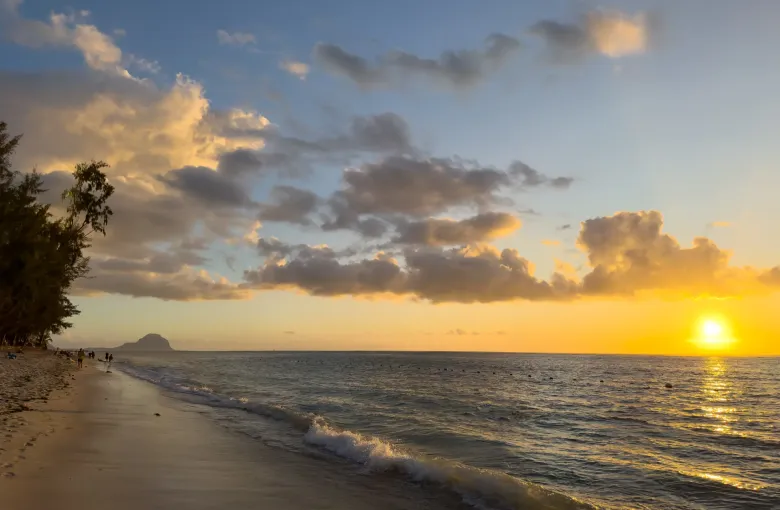
Mauritius asks less of you than its neighbors do
A lot of what makes travel in this region tiring is simply absent here. The island is small enough that every transfer is short. There are no internal flights to connect. There is no altitude. The main roads are sealed, and the driving is on ordinary roads rather than on tracks.
The practical consequence is that you can stay in one place for the whole trip and still see the island, which is the single best decision an older traveler can make anywhere and is unusually easy to make here.
The healthcare position, which is genuinely reassuring
This is the fact that most changes the calculation, and it is easy to miss because it appears in other countries’ guidance rather than in Mauritius’s own. When the FCDO explains what happens to a patient in Madagascar who needs complex surgery, the answer is that they are flown out, and one of the three places they are flown to is Mauritius.
In other words, Mauritius is where the region sends people. That is a different starting point from almost anywhere nearby.
It does not remove the ordinary obligations. Confirm before booking that your destination can provide the healthcare you may need, and that your insurance covers local treatment and unexpected medical evacuation. The emergency medical number is 999 or 114. Private and state ambulances both operate and the FCDO notes that quality and response speed can vary, so go directly to a hospital if you are able to. Keep the FCDO list of English-speaking medical providers with your documents.
Medication
Check your prescriptions before you fly. The FCDO warns that the legal status and regulation of some medicines prescribed or bought in the United Kingdom can differ in other countries. Carry medication in its original labeled packaging with a copy of the prescription, keep it in hand luggage, and bring more than the trip requires.
For vaccinations, the standing advice is to check recommendations at least eight weeks before travel. The named health risks here are dengue, chikungunya and schistosomiasis.
Heat, humidity and the shape of the day
Heat rather than terrain is what will shorten your days. The humid months are demanding, and the sensible pattern is an early start, a long middle of the day out of the sun, and something gentle later. Choosing the cooler, drier part of the year removes most of the problem before you arrive: see Best Time to Visit Mauritius and Mauritius Weather Guide.
The viewpoint version of every good day
Every major experience on this island has a version that requires no climb, and in most cases it is not a consolation prize.
- Black River Gorges. The viewpoints are reached from the road. You look out over the largest surviving stretch of native forest on the island, which is the thing the park exists to protect, and you have not walked a trail to do it. This is a genuinely good outing in its own right.
- Le Morne. Understood from the lagoon side and from the interpretation at its foot, without the ascent.
- Aapravasi Ghat. A small site and a short visit, but the ground is uneven and the fourteen steps are central to it. Ask ahead about the route.
- Pamplemousses. Flat, shaded, wide paths, and a half day that asks nothing of you.
- The Caudan Waterfront in Port Louis, for level paving and somewhere to sit.
The lagoon, and the one thing in it
Swimming inside the reef is calm, warm and shallow, and it is one of the easiest forms of exercise available on the trip. Stonefish stings are rare but can be fatal, and the risk comes from standing on a fish that is camouflaged and motionless on the bottom. Wear something on your feet in shallow water, do not reach into crevices, and seek urgent medical attention if you are stung. Many hotels stock antivenom serum.
Pacing that works
- One base for the whole trip. Unpack once.
- One outing a day, in the morning.
- Keep a spare day between the two heritage sites rather than running them together, because both are more emotionally demanding than they are physically demanding. See Mauritius and Diaspora Reconnection.
- Book a driver for the day rather than short hops. See Getting Around Mauritius.
- Read Mauritius Travel Safety Guide once before you go, then stop worrying about it.
For the mobility questions in more detail, see Accessible Travel in Mauritius.
Sources
- UK Foreign, Commonwealth & Development Office: Mauritius health advice: the emergency numbers, dengue, chikungunya and schistosomiasis, stonefish stings, and the rules on bringing medication. Accessed 14 September 2026.
- UK Foreign, Commonwealth & Development Office: Mauritius safety and security: crime, the accommodation-registration advice, drug law, police investigations and the decriminalization of same-sex sexual activity in October 2023. Accessed 14 September 2026.
- US Centers for Disease Control and Prevention: Travelers’ Health, Mauritius: routine vaccination, food and water precautions and mosquito-borne illness. Accessed 14 September 2026.
- Mauritius National Parks and Conservation Service: the Black River Gorges and Bel Ombre Biosphere Reserve nomination dossier, which records the proclamation of the national park in 1994 under the Wildlife and National Parks Act 1993 and the endemic species it protects. Accessed 14 September 2026.
Other Articles
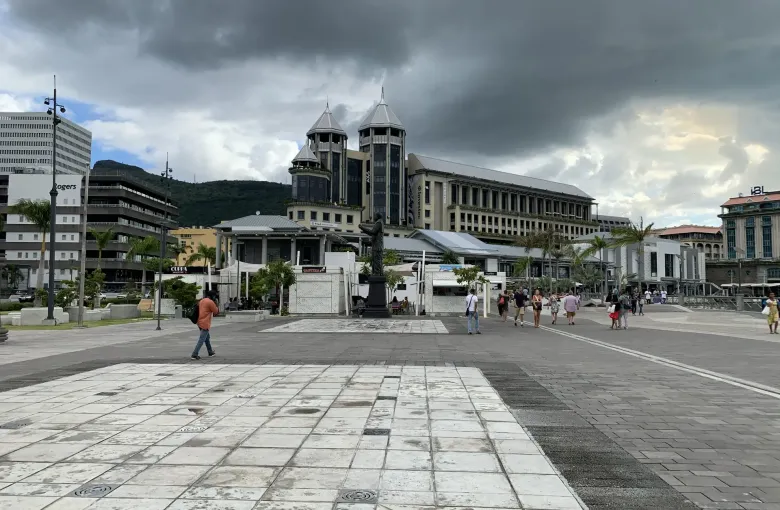
Accessible Travel in Mauritius
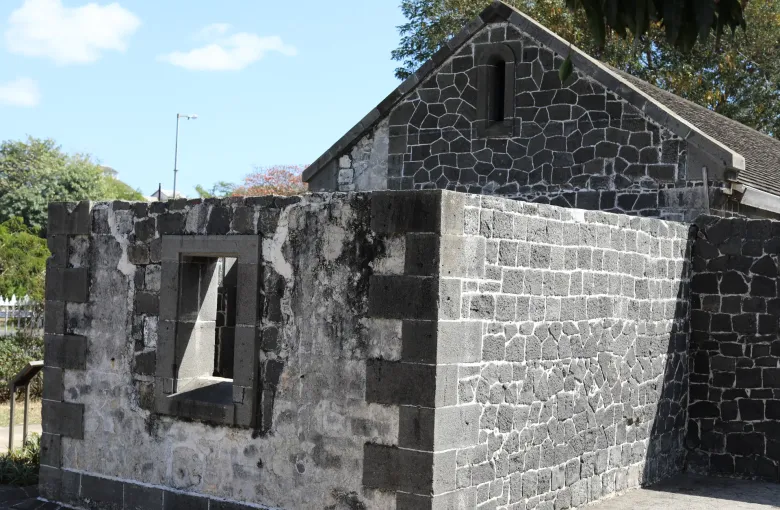
Aapravasi Ghat: Visitor and Heritage Guide