The short version
May to October. Cooler, drier, outside the cyclone window, and comfortable for everything from the lagoon to the uplands. If you have no particular reason to choose otherwise, this is the answer.
Choose by what you came for
The lagoon and the beach
Good all year. The sea is warmest in the hot months and the air is most comfortable in the cool ones. The genuinely useful variable is the side of the island: the west and northwest are drier, the southeast is windier. A windy beach in August is a fact about the trade winds, not about the weather being bad.
Walking and the uplands
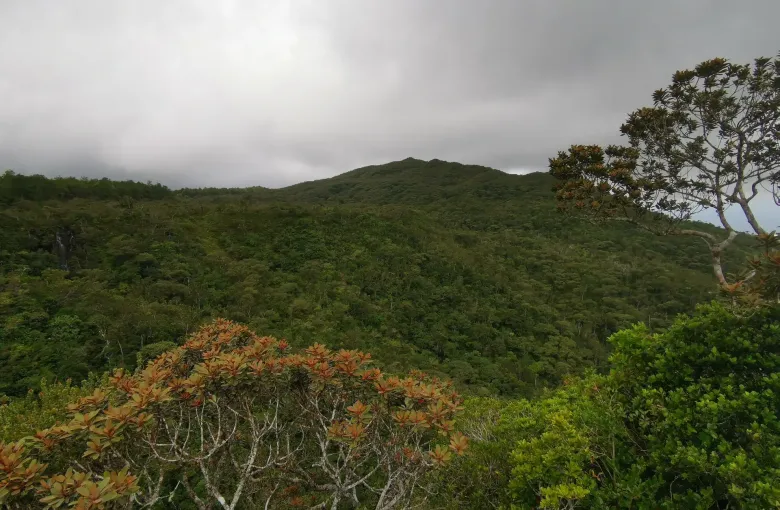
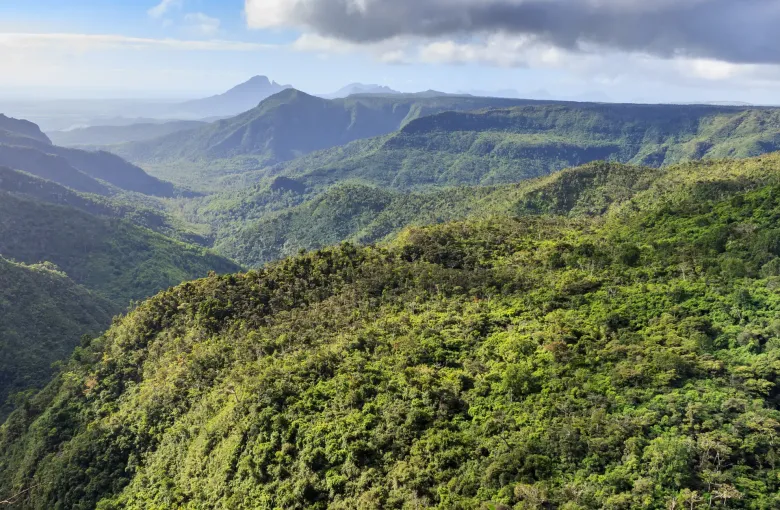
The dry season, firmly. The Black River Gorges trails are steep and can be slick, and the uplands are the wettest part of the island in any season. July to September is the reliable window.
Kitesurfing and windsurfing
June to September, when the southeasterly trade winds are strongest. Le Morne is the center of it, which puts the sport directly beneath a World Heritage mountain. See Le Morne Cultural Landscape.
Diving
Generally best in the calmer, warmer months, though conditions vary by coast and operators run all year. Ask operators rather than guidebooks, and read the stonefish note on Mauritius Travel Safety Guide before you get in shallow water in reef shoes you do not have.
Timing for the calendar
- Thaipoosam Cavadee, in the Tamil calendar, usually falls in January or February and is the most visually striking public observance of the year.
- Maha Shivaratri, usually February or March, brings a very large pilgrimage on foot to Ganga Talao, the sacred crater lake. Roads around it are busy and many people walk for days.
- Chinese Spring Festival, Eid, Divali and Christmas are all marked, which tells you something about the island.
- Abolition of Slavery, 1 February, and Arrival of Indentured Labourers, 2 November, are the two commemorations that connect directly to the country's World Heritage. See Mauritius Festivals and Celebrations.
The cyclone months, honestly
December to March is hot, humid, at its wettest, and inside the cyclone window. It is also cheaper, quieter, and the sea is at its warmest. Most trips in those months are entirely fine. Some are rearranged. Take insurance that covers disruption and do not schedule a tight connection home.
How long to allow
Mauritius is small and the roads are good, so a week is a real holiday rather than a sampler and ten days is generous. Unlike most destinations in this program, you do not need to choose a region: you can base once and reach everything. That is the island's practical advantage and it is worth saying plainly.
For the underlying climate, see Mauritius Weather Guide.
Sources
- UK Foreign, Commonwealth & Development Office: Mauritius travel advice, which warns against travel to no part of the country. Accessed 14 September 2026.
- UNESCO Intangible Cultural Heritage: Mauritius’s four inscribed elements: Traditional Mauritian Sega, Sega tambour of Rodrigues Island, Bhojpuri folk songs known as Geet-Gawai, and Sega tambour Chagos. Accessed 14 September 2026.
- Mauritius National Parks and Conservation Service: the Black River Gorges and Bel Ombre Biosphere Reserve nomination dossier, which records the proclamation of the national park in 1994 under the Wildlife and National Parks Act 1993 and the endemic species it protects. Accessed 14 September 2026.
- UK Foreign, Commonwealth & Development Office: Mauritius health advice: the emergency numbers, dengue, chikungunya and schistosomiasis, stonefish stings, and the rules on bringing medication. Accessed 14 September 2026.
Other Articles
Mauritius Weather Guide
Black River Gorges: Visitor and Heritage Guide