Why the food is like this
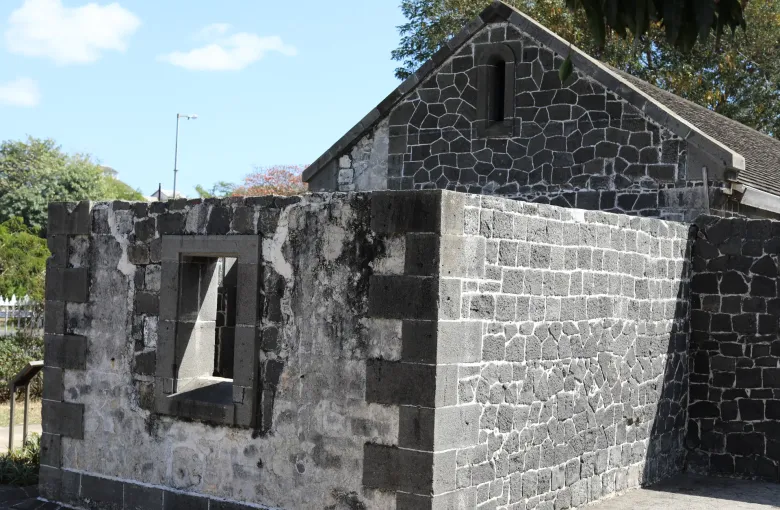
Mauritian cooking is the direct consequence of the history on Aapravasi Ghat and Le Morne. The island received enslaved people from the African mainland and Madagascar, then indentured laborers from India, East Africa, China and Southeast Asia, alongside French and British administration.
What emerged is not four cuisines side by side. It is one cuisine that took the chilli and the spice mixes from one tradition, the wok from another, the sauces from a third, and the bread from a fourth, and stopped distinguishing.
Start with dholl puri
A soft flatbread made with ground split peas, served in pairs, filled with bean curry, pickled vegetable and chilli paste, and eaten from paper in the street. It is the national snack by acclamation, it is cheap, and it is the single best thing most visitors eat here.
Buy it from a busy cart. Busy is the quality control.
The dishes to know
- Rougaille. A tomato-based sauce with onion, garlic, ginger and thyme, cooked with fish, sausage or chicken. The everyday Creole dish.
- Vindaye. Fish or octopus in mustard seed, turmeric and vinegar. Sharp, yellow and excellent cold. The name and the method traveled from the Portuguese-Indian dish behind vindaloo.
- Mine frite and bol renversé. Fried noodles, and a "turned-over bowl" of rice, meat, vegetables and a fried egg inverted onto the plate. The Sino-Mauritian contribution, and everywhere.
- Gateaux piments. Small fried split-pea cakes with chilli, sold by the bag. The default street snack.
- Octopus curry. Particularly on Rodrigues, where octopus fishing is central to life.
- Farata. A layered flatbread, torn and eaten with curry.
- Alouda. A cold milk drink with basil seed and agar jelly, sold at the Port Louis market. Strange the first time and then compulsory.
Where to eat
- Street carts and markets. The Port Louis central market is the obvious one, and the small towns all have their own. This is where the food is best and cheapest.
- Table d'hôte. Home-cooked multi-course meals in a family guesthouse, usually booked ahead. The best way to eat Creole food properly.
- Resort restaurants. Competent, international, and not the point.
Practical rules
The CDC's advice for Mauritius is the standard food and water guidance, and the FCDO names schistosomiasis among the health risks here, which is a reason to be careful with fresh water rather than with food.
- Eat hot food that is freshly cooked, and prefer a stall with a queue.
- Fruit you peel yourself is the reliable option.
- Bottled or filtered water is the simple default, particularly outside the main hotels.
- Chilli here is served on the side more often than cooked in. Try it before you commit.
Drinks
Rum is made here from sugar cane and the distilleries welcome visitors. Alouda from the market is the non-alcoholic classic, and tea is grown on the island. Local beer is widely available.
Eating during festivals
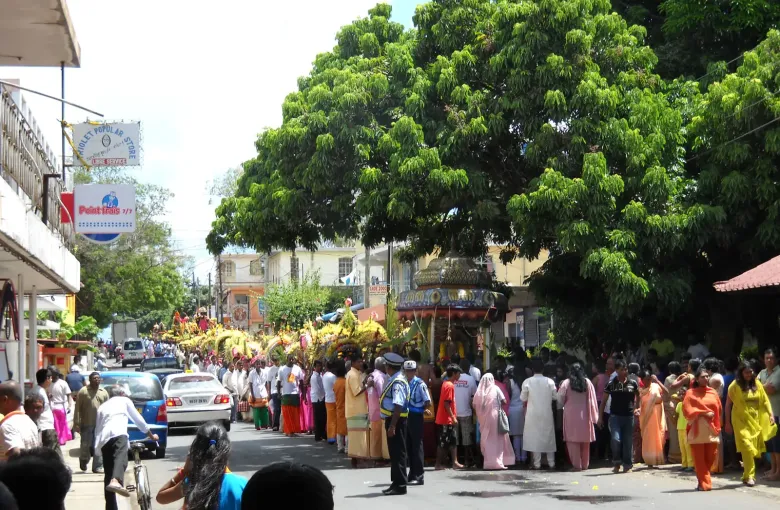
Religious observance shapes food more than in most places in this program. Many Mauritians are vegetarian at particular times, notably in the period before Maha Shivaratri, and restaurants adjust. During Ramadan, hours change in Muslim-run establishments. Neither is a difficulty, and both are worth knowing. See Mauritius Festivals and Celebrations.
Sources
- UNESCO Intangible Cultural Heritage: Mauritius’s four inscribed elements: Traditional Mauritian Sega, Sega tambour of Rodrigues Island, Bhojpuri folk songs known as Geet-Gawai, and Sega tambour Chagos. Accessed 14 September 2026.
- UK Foreign, Commonwealth & Development Office: Mauritius health advice: the emergency numbers, dengue, chikungunya and schistosomiasis, stonefish stings, and the rules on bringing medication. Accessed 14 September 2026.
- US Centers for Disease Control and Prevention: Travelers’ Health, Mauritius: routine vaccination, food and water precautions and mosquito-borne illness. Accessed 14 September 2026.
- UNESCO World Heritage Centre: the inscription of Aapravasi Ghat, the immigration depot from which the modern indentured labor diaspora emerged. Accessed 14 September 2026.
Other Articles

Mauritius Culture and Etiquette Guide
Mauritius Festivals and Celebrations