History
Robben Island lies in Table Bay, within sight of Cape Town, and has been used to separate people from society for far longer than the twentieth century — as a place of banishment, a leper colony and a military installation before it became a prison for those who opposed apartheid.
It is best known as the place where Nelson Mandela spent the majority of his twenty-seven-year imprisonment, alongside many others who would later govern the country. The Robben Island Museum, which manages it, describes it as a national estate and a World Heritage Site — recognized not for beauty but as evidence of the triumph of the human spirit over adversity.
What you will see
The maximum security prison, including the cell in which Mandela was held. The limestone quarry where prisoners were made to work, whose glare permanently damaged the eyesight of many of them, and where political education went on between the work. The island village, the church and the graveyard from earlier uses. And, from the boat, the view of Cape Town that the prisoners could see and not reach, which is the detail most visitors remember.
What a visit is like
Tours have long been led in part by former political prisoners, and that is what distinguishes this from other museums of its kind: you are shown a cell by someone who lived in one. It is not a comfortable few hours and it is not intended to be.
Allow the best part of a day. The visit includes the ferry crossing in both directions, a bus tour of the island and a walking tour of the prison, and it runs to a schedule you cannot vary.
Getting there, and the thing that goes wrong
Ferries depart from the V&A Waterfront in Cape Town. Book well in advance — sailings sell out, particularly in the summer season — and book through the museum’s own channels rather than a reseller.
⚠ The crossing is weather-dependent and is canceled with little notice. Table Bay can be rough, and a sailing that looks fine from the shore may not run. Two consequences worth planning for: book early in your stay so there is room to try again, and if you are prone to seasickness, prepare for it.
Visiting respectfully
This is a place where people were imprisoned, and some of the guides were among them. Ask questions — they are welcome, and the guides are generous with them — but ask rather than assert, and be conscious that a personal history is being recounted to a group of strangers for the several-hundredth time.
Photography is generally permitted; photographing a guide without asking is not the same thing as photographing a building.
Common questions
Should I book ahead?
Yes, and early. This is the single most common way visitors miss it.
Is it suitable for children?
Older children who have some context will get a great deal from it. Younger ones will find the length and the subject difficult.
What if the ferry is canceled?
You will normally be able to rebook subject to availability, which is the argument for going early in your stay rather than on your last day.
Seeing it on a LABUSA Travel journey
We book Robben Island early in a Cape Town stay precisely because the crossing can be lost to weather, and we leave the rest of that day open. It is not a morning to schedule something else after.
Other Articles
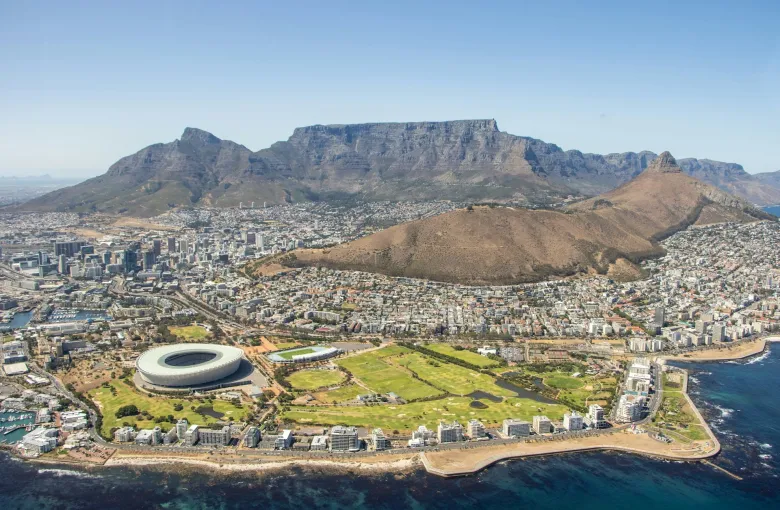
Cape Town and Table Mountain: Visitor and Heritage Guide
South Africa and Diaspora Reconnection