The honest position
South Africa is, on the whole, better provisioned for travelers with disabilities than most of the region — there is genuine infrastructure in the cities and in the national parks, and an established trade used to arranging it. That is a comparative statement rather than an absolute one: provision is uneven, and "it should be fine" is not an answer to any of the questions below.
What genuinely works well
Self-drive safari
This is the significant advantage South Africa has over most safari destinations. Because Kruger and several other parks can be driven in an ordinary vehicle on made roads, a traveler who cannot board a high game-drive vehicle can still do a real safari — in a car they can transfer into comfortably, at their own pace, stopping where they like. Adapted vehicle rental is available with advance arrangement.
National park accommodation
SANParks rest camps include accessible units at a number of parks, which is unusual in the region and is documented rather than improvised. Availability is limited and they book up, so this is an early conversation rather than a late one.
Cape Town
The best-provisioned city in the country for visitors: an accessible cableway to the top of Table Mountain, an accessible waterfront precinct, and a number of attractions and tour operators set up for wheelchair users. Robben Island ferries and the museum have accessible provision, though sea conditions can complicate boarding — ask about the specific vessel.
The main obstacle: the game-drive vehicle
Where an itinerary uses a traditional open safari vehicle, boarding involves a substantial step up. Some operators have vehicles with modified access, and transfer with assistance is often workable, but this must be established for your specific booking in writing rather than discovered at the lodge. Park tracks are rough, and a long drive on corrugated ground is tiring and can be painful for someone with a back or joint condition.
What to establish before booking
- Exactly how you will get into and out of any game vehicle, and who assists.
- Whether the route between room and dining area involves steps, sand or an unlit path.
- Bathroom specifics — door width, step-free shower, grab rails — as measurements, not adjectives.
- Whether a mobility aid can travel on any light aircraft on your itinerary, given the weight limit.
- Distance to the nearest medical facility, and what your evacuation cover actually covers.
- Whether the operator has done this before. Experience is worth more than a claim.
Hearing and vision
South African Sign Language is one of the country’s official languages, which is a meaningful signal even though interpreter availability for visitors is limited — ask for briefings in writing. For blind and partially sighted travelers, guides are generally willing to build around sound, description and proximity, and the sensory experience of the bush is real rather than a consolation.
Getting around
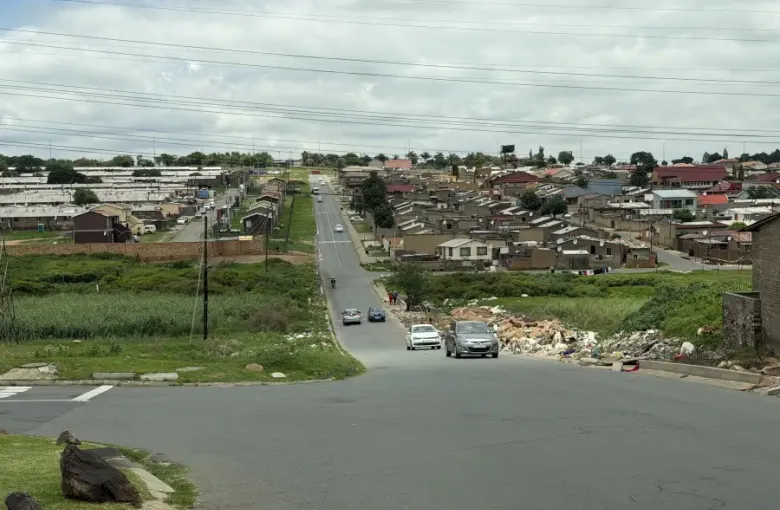
The Gautrain and its stations were built recently and to modern standards. Ride-hailing is widely available, though accessible vehicles are not standard and need arranging. Pavements in older city areas are uneven, and this is where the gap between the good provision and the ordinary street is most obvious.
Common questions
Can a wheelchair user go on safari in South Africa?
Yes, and the self-drive option means the answer is a more confident yes here than in most of the region.
Is the Table Mountain cableway accessible?
It is built to be. As with everything weather-dependent on that mountain, confirm on the day.
What if I can walk but not far?
Much of a South African itinerary is seated. Flag it so that camps and hotels are chosen for short internal distances.
Seeing it on a LABUSA Travel journey
Tell us what you need at the inquiry stage rather than after booking. We will get specific answers from specific properties and tell you honestly where something is not workable, which is more useful than optimism.
Other Articles
South Africa for Senior Travelers
Getting Around South Africa