Read this part first
This page states no advisory level, no emergency telephone number and no health requirement as fact. All three change, and a wrong one here reaches somebody at the moment they can least afford it. What follows is the shape of the subject and where the current version is published. Check the sources at the foot of this page before you travel, and again shortly before you fly.
Being straight about it
South Africa has higher rates of violent crime than most countries visitors will have come from, and pretending otherwise would not help anyone. It is also a country that receives millions of visitors a year, the overwhelming majority of whom have entirely uneventful trips, and the gap between those two statements is mostly explained by where people go and what precautions they take.
Most serious crime occurs in areas that are nowhere near a normal visitor itinerary. The realistic risk to a traveler is opportunistic: theft from a vehicle, a snatched phone, a card skimmed at a machine.
The precautions that actually matter
- Do not display phones, cameras, jewelry or bags on the street.
- Use ride-hailing or hotel transport after dark rather than walking, including in areas that feel comfortable by day.
- In a car, keep doors locked and windows up in traffic, and keep bags in the trunk rather than on a seat.
- Use ATMs inside banks, malls and filling stations. Decline offers of help at a machine.
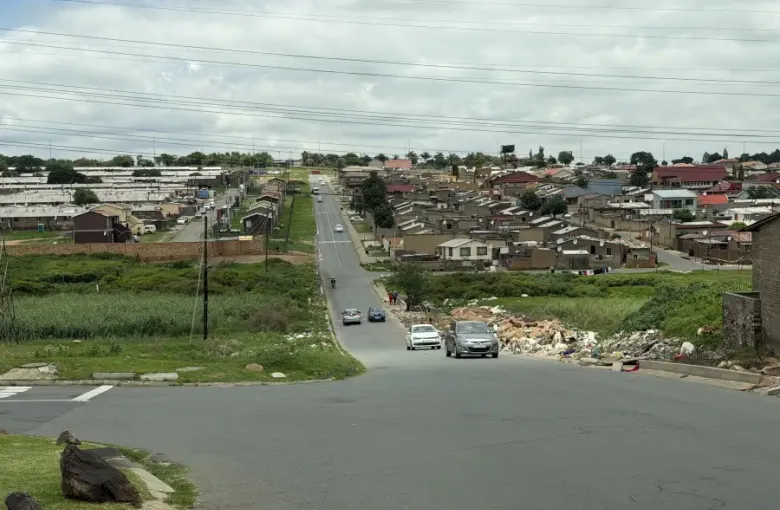
- Do not visit a township independently. Go with a guide from the community — which is also the better experience.
- If you are robbed, hand over what is asked for. Nothing you are carrying is worth contesting.
None of this is exotic advice. It is the same behavior a careful resident of a large city applies without thinking about it.
Where the official advice lives
The US Department of State publishes South Africa International Travel Information with a current advisory level broken down by region, and the UK Foreign, Commonwealth & Development Office publishes equivalent guidance. Read the regional breakdown rather than the headline — it is the part that is actually useful and the part a summary elsewhere tends to flatten.
On safari
Do what your guide says, immediately. Stay in the vehicle unless told otherwise, stay seated while it is moving, and do not stand for a photograph. In unfenced camps you will be escorted to your room after dark; that escort is not theater. SANParks sets the rules inside the national parks, and they exist because the consequences have been demonstrated.
If you self-drive in Kruger, stay in the car except at designated points, observe the speed limit and be back inside a camp before the gates close.
Roads
Road traffic is a more statistically significant risk than either crime or wildlife. Wear seat belts, avoid long-distance driving after dark, and do not drink and drive — enforcement is real. This is the least dramatic item on this page and the most worth acting on.
Health preparation
Malaria is present in parts of the northeast including the Kruger lowveld, seasonally variable, and absent from Cape Town, the Garden Route and the highveld. Vaccination recommendations and any yellow fever certificate requirement depend on your itinerary and on where you have traveled recently.
This page does not list them because the right answer is specific to you. The CDC guidance for South Africa is the reference and a travel health appointment several weeks out is the mechanism. Medical care in the private sector in the major cities is of a high standard; facilities near remote lodges are limited, which is the argument for evacuation cover.
Tap water is generally safe to drink in the major cities. In rural areas, ask.
Power interruptions
South Africa has experienced scheduled electricity interruptions, known locally as load-shedding, in recent years, with the extent varying considerably over time. Hotels, lodges and hospitals generally have backup power. It is worth checking the current position before you travel and carrying a charged power bank and a torch, rather than assuming either that it will affect you or that it will not.
Emergencies
We deliberately do not print emergency numbers here, because a wrong number on this page is worse than no number. Current contacts for police, ambulance and your own embassy are published by the authorities listed below, and your operator and hotel will each have theirs. Write down the ones that apply to your trip somewhere you can reach without a working phone.
Seeing it on a LABUSA Travel journey
Our itineraries are run with vetted operators and guides, transfers are met rather than hailed, and township and heritage visits are arranged with the communities involved. If official guidance changes materially before you travel, we will tell you rather than wait to be asked.
Other Articles
South Africa Visa and Entry Requirements
South Africa for Senior Travelers