History
Johannesburg exists because gold was found on the Witwatersrand in the 1880s, and it grew with the speed that implies — from nothing to the largest city in the region within a lifetime. The mines needed labor, the labor was housed under controls that hardened into law, and the geography of the modern city is the direct result.
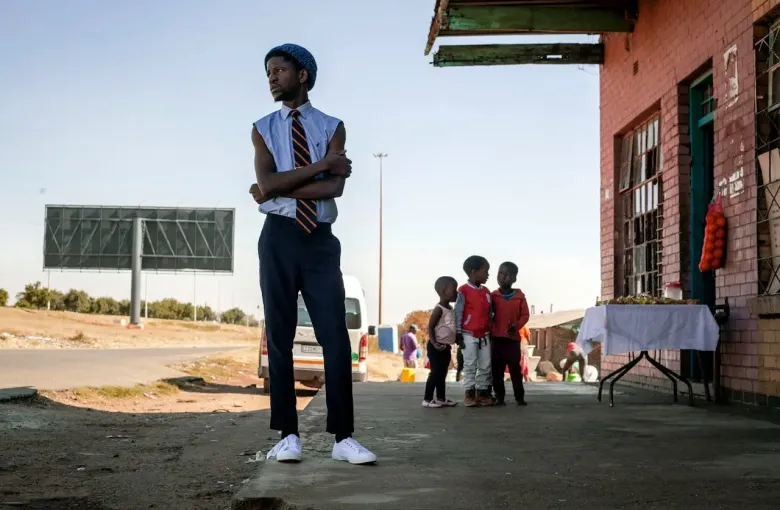
Soweto — the South Western Townships — was where much of that Black population was required to live. It became the center of resistance to apartheid, and the events there in 1976, when police fired on schoolchildren protesting the imposition of Afrikaans in their schools, changed the trajectory of the entire country and its standing abroad.
What you will see
In Soweto
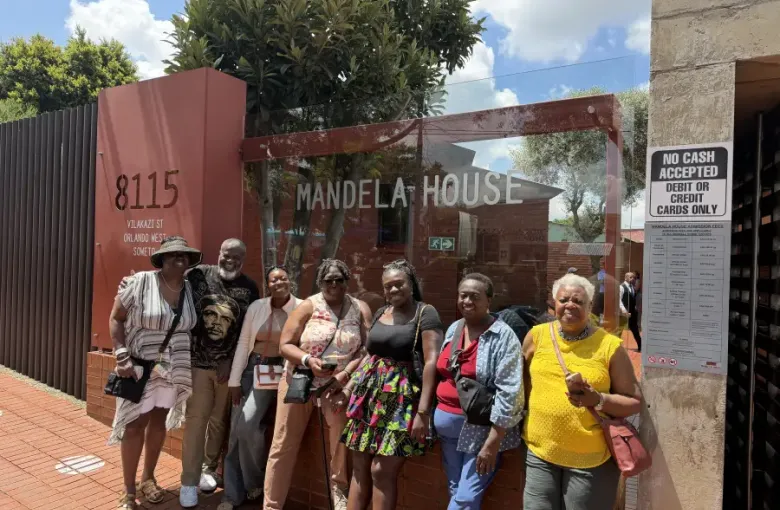
Vilakazi Street, said to be the only street in the world to have housed two Nobel Peace Prize laureates — Nelson Mandela and Archbishop Desmond Tutu. Mandela House, the small home the family lived in, preserved as a museum. The Hector Pieterson Museum, which marks the 1976 uprising at the place it happened and is named for one of the children killed that day.
Soweto today is also an ordinary and very large place where more than a million people live, with restaurants, businesses and a strong civic identity. A visit that treats it only as a site of tragedy misses most of what is there.
In the city
The Apartheid Museum, an unflinching account of the system and its dismantling, which takes hours rather than minutes and is the best single introduction in the country. Constitution Hill, a former prison complex that held both Mandela and Gandhi, on whose site the Constitutional Court now stands — a deliberate piece of symbolism that repays a guided visit. Maboneng and Braamfontein for contemporary art, food and music.
The fossil sites northwest of the city, significant for human origins, are within day-trip distance and are a completely different kind of visit.
Visiting
OR Tambo International is the country’s main gateway, and the Gautrain links it to Sandton and Pretoria quickly. Most visitors base themselves in the northern suburbs.
⚠ Visit Soweto with a guide from the community, not independently. That is partly a safety point and mostly a substance one: the history is in what people tell you, and a guided visit puts money directly into the place you are visiting. Ask your operator who is paid and how.
Johannesburg calls for the ordinary precautions of a large city, applied consistently — see our travel safety guide.
Visiting respectfully
Ask before photographing people or their homes. Soweto is somewhere people live, and a camera pointed through a car window is experienced exactly as it would be in your own street.
Approach the history as something to learn rather than something you have a position on. You will hear different accounts from different South Africans, and that is the honest state of the subject rather than a contradiction to be resolved.
Common questions
How long do I need?
Two full days does it: one for Soweto, one for the Apartheid Museum and Constitution Hill. Three if you add the fossil sites.
Is Johannesburg worth staying in?
Yes. Many visitors treat it as an airport and leave, which is a mistake — the country’s most important twentieth-century history is concentrated here.
Can I combine Soweto and the Apartheid Museum in a day?
Possible, and rushed. Both deserve better.
Seeing it on a LABUSA Travel journey
Our Johannesburg and Soweto days are guided by people from the communities concerned, with enough time at each site to take it in. We would rather do two places properly than four in passing.
Other Articles
South Africa and Diaspora Reconnection
Robben Island: Visitor and Heritage Guide