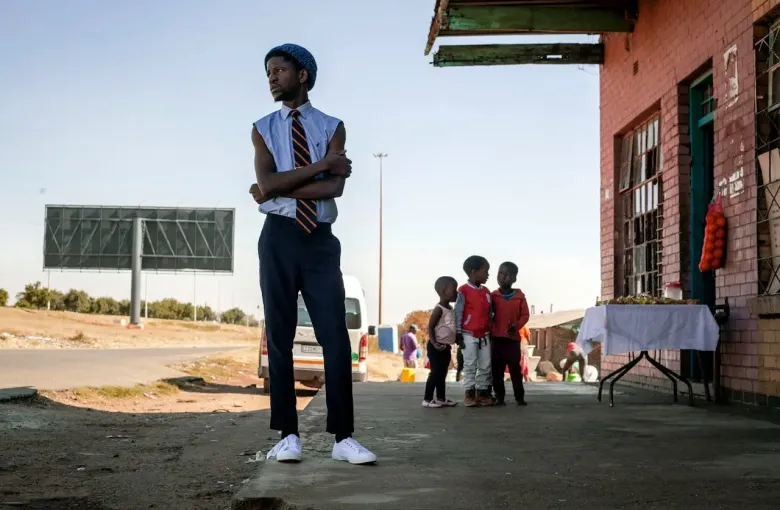
Start here: a different kind of connection
South Africa’s relationship with the wider Black world is not principally a story of displacement, as Ghana’s is. It is a story of shared political struggle within living memory. The campaign against apartheid was organized on campuses, in churches and in city halls across North America, the Caribbean and Europe, and many visitors arriving here were part of it or were raised by people who were.
That makes a South African heritage journey unusual: the history is recent enough that you can meet the people who made it, and specific enough that the places are still standing.
The places where it happened
Robben Island
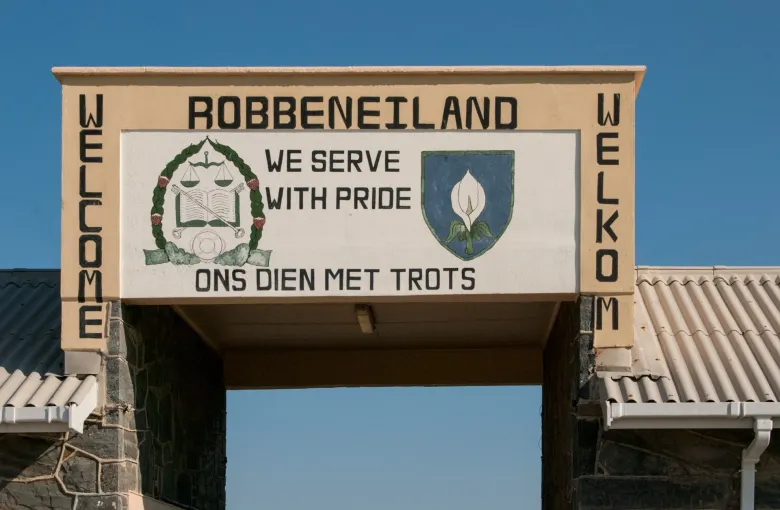
The prison where Nelson Mandela spent the majority of his sentence, now a museum and a World Heritage Site, reached by ferry from Cape Town. Tours have long been led in part by former political prisoners. It is a difficult and necessary visit and it deserves a clear afternoon, not a slot.
Soweto
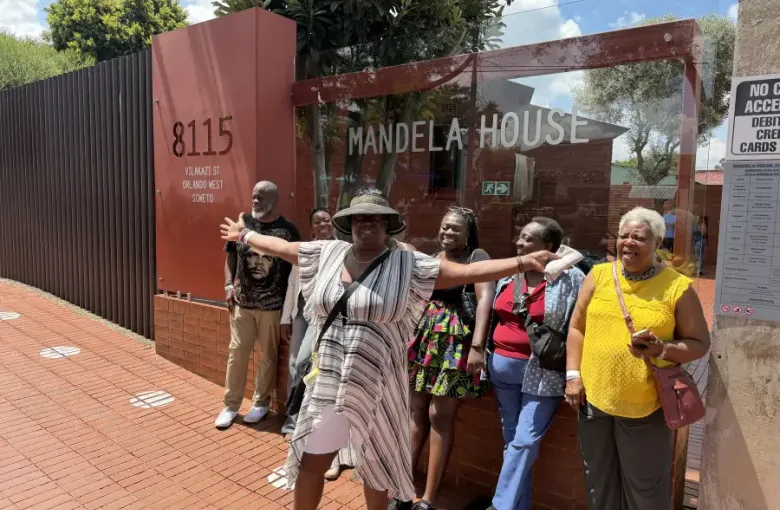
Vilakazi Street is said to be the only street in the world to have housed two Nobel Peace Prize laureates. The Hector Pieterson Museum marks the 1976 uprising at the place it happened. Mandela House is the small home the family lived in. Together they make Soweto the densest concentration of this history anywhere in the country.
The Apartheid Museum and Constitution Hill, Johannesburg
The Apartheid Museum is a serious, unflinching account of the system and its dismantling, and it takes hours rather than minutes. Constitution Hill is a former prison complex — which held both Mandela and Gandhi — on whose site the Constitutional Court now sits, a piece of deliberate symbolism that repays a guided visit.
District Six, Cape Town
An inner-city neighborhood whose residents were forcibly removed and whose houses were demolished under apartheid. The museum is small and is built largely from the testimony of the people it happened to.
The deeper past
Northern South Africa holds fossil sites of global significance for human origins, and for a visitor for whom reconnection means something older and broader than any single history, this is extraordinary ground — the evidence of common human ancestry, held and interpreted in the country where it was found.
Going well
- Say what you are looking for. "Heritage" means different things and South African guides will tailor to it if you are specific.
- Give the museums real time. Robben Island and the Apartheid Museum are half-days, not stops.
- Use guides from the communities whose history you are visiting, and ask who is paid.
- Allow for the emotional weight. Several of these places are hard, and a schedule that runs three of them together does none of them justice.
- Expect disagreement. South Africans do not hold a single view of this history and you should not expect a single account of it.
Common questions
Is there a South African equivalent of Ghana’s Year of Return?
Not in the same organized form. The connection here runs through shared political history and through contemporary business and family ties rather than through a heritage-tourism program.
Where should I start?
Robben Island if you begin in Cape Town, the Apartheid Museum and Soweto if you begin in Johannesburg. Either way, a guide makes the difference between information and understanding.
Can I trace family connections?
The transatlantic trade did not principally draw from this coast, so for most African American travelers the honest answer is that the connection here is political and historical rather than genealogical — which does not make it a lesser one.
Seeing it on a LABUSA Travel journey
We will build this properly if you tell us it matters — time at the sites rather than past them, guides who lived the history where that is possible, and space in the schedule for the parts that are not sightseeing.
Other Articles
Robben Island: Visitor and Heritage Guide
Johannesburg and Soweto: Visitor and Heritage Guide