Ecuador is roughly the size of the state of Nevada and contains four distinct travel climates. That is the whole answer to when you should go: it depends entirely on which Ecuador you mean, and a trip that takes in two of them is making a compromise somewhere.
The highlands
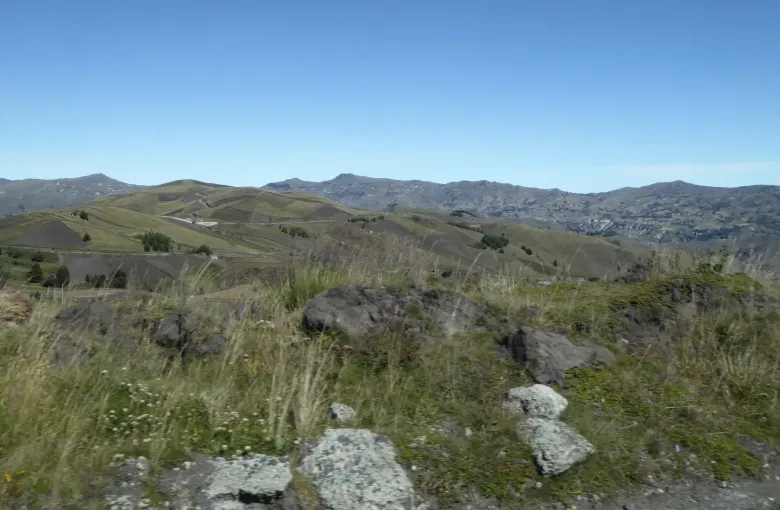
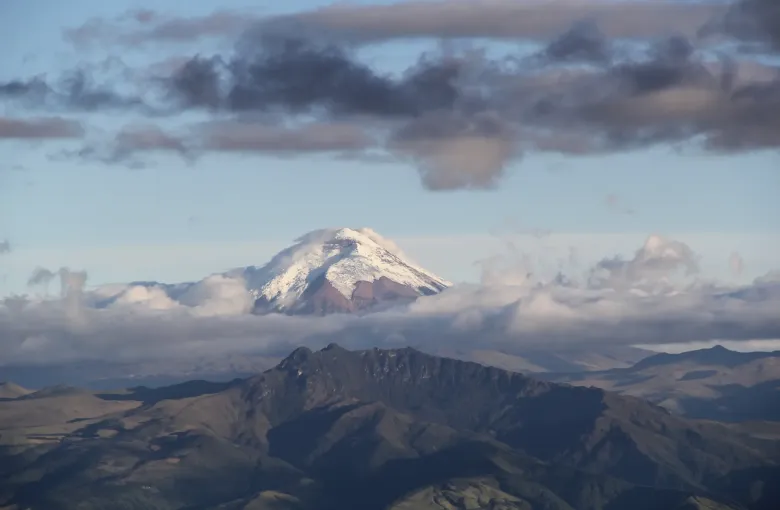
Quito, Otavalo, Cuenca and the volcano corridor sit between roughly 2,000 and 3,000 m. At that altitude the temperature barely moves across the year. What changes is rainfall. The drier months run from June to September, with a second drier spell around December and January, and those are the months when the volcanoes are most often out. In the wetter months the mornings are frequently clear and the afternoons close in, which is a useful thing to know: an early start is worth more in Ecuador than a good forecast.
Pack for both regardless. A highland day routinely runs from cold at dawn to strong sun at midday to cold again by six, and the equatorial sun at that altitude is fierce even through cloud.
The coast
The coastal year is the reverse of what most visitors expect. The warm, bright, swimmable months are roughly January to April, which is also when it rains hardest. From June to November the coast is cooler and often gray.
⚠ The coast also carries the country's travel advisory, and that matters more than the weather. The source this cluster cites advises against all but essential travel to the Coastal Region provinces of Esmeraldas, Manabi, Santa Elena, Guayas, El Oro, Los Rios and Santo Domingo de los Tsachilas. The travel safety guide sets out what that covers and what it does not.
The Amazon
The Oriente is warm and wet all year. There is no dry season in the sense the highlands have one, only months that are wetter. River levels rise from roughly March to July, which makes some creeks navigable that are not otherwise, and drop later in the year, which makes walking easier. Lodges operate throughout.
The Galapagos, which is really two questions
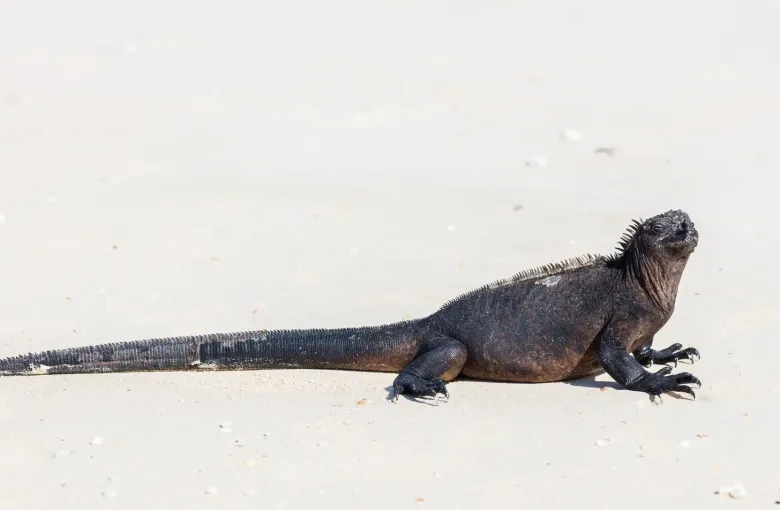
The islands have a warm season from roughly December to May, with calm seas, warmer water and short heavy showers, and a cool season from June to November, when the Humboldt current brings cooler water, rougher crossings and more wind. Neither is a bad time. Wildlife is present all year, which is the point of the place and the reason the islands were among the first properties ever placed on the World Heritage List, in 1978.
Choose on what you want to do in the water. The warm season is easier for snorkelling and swimming. The cool season brings more nutrient-rich water and more activity around it, at the cost of a colder and bumpier day out.
What actually decides the date
- Galapagos boats and permits sell out well ahead for the December and January holidays and for July and August. That is a booking constraint, not a weather one, and it moves more trips than climate does.
- Highland festivals cluster in the calendar rather than spreading evenly. The festivals guide has the dates that are worth building around.
- If the itinerary includes the Amazon, the flights are small and the weather is local. Build in a spare day rather than a tight connection.
For what to bring once the dates are set, see the packing list, and for the month by month detail the weather guide.
Sources
- UK Foreign, Commonwealth & Development Office: Ecuador travel advice: the standing warning that the FCDO advises against all but essential travel to parts of Ecuador, the Coastal Region province list, the twenty kilometer strip along the Colombian border, and the state of emergency declared on 15 September 2026 for sixty days in eight provinces including Pichincha. Accessed 17 September 2026.
- Centers for Disease Control and Prevention: Ecuador traveler health: yellow fever vaccine recommended for travelers aged nine months and over going below 2,300 m east of the Andes in Morona-Santiago, Napo, Orellana, Pastaza, Sucumbios, Tungurahua and Zamora-Chinchipe, generally not recommended west of the Andes and not recommended above 2,300 m; malaria transmission below 1,500 m in Cotopaxi, Esmeraldas, Morona-Santiago, Orellana, Pastaza and Sucumbios with rare cases below 1,500 m elsewhere, no transmission in the cities of Guayaquil or Quito, and no transmission on the Galapagos Islands. Accessed 17 September 2026.
- UNESCO World Heritage Centre: Galapagos Islands, inscribed 1978 and extended in 2001, carrying World Heritage reference number 1 as one of the first properties ever placed on the List. Accessed 17 September 2026.
Other Articles
Ecuador Weather Guide
The Galapagos Islands