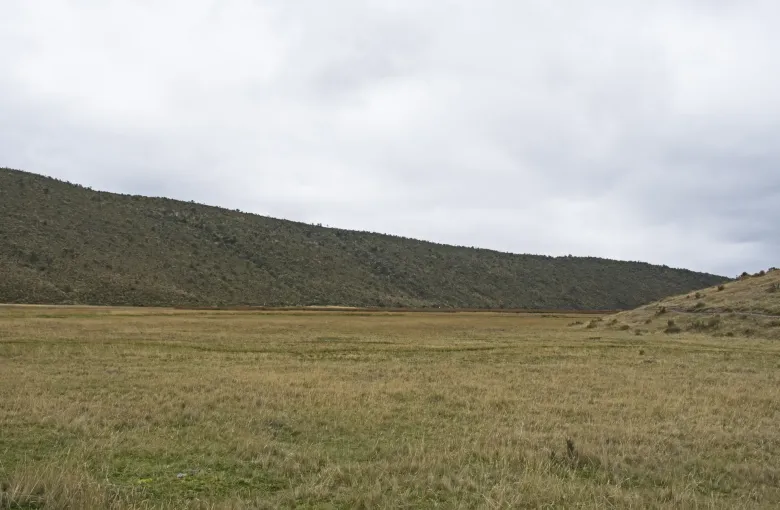
Pack for altitude and for humidity, not for a season. A single Ecuadorian week can put you at 3,000 m in a cold wind on Monday and at sea level in the rain on Thursday, and no amount of checking the forecast changes what that requires.
The layering system that works here
- A base layer you are happy to wear two days running.
- A warm mid layer. Fleece or light down. The highland evening is genuinely cold.
- A waterproof outer with a hood. Not a poncho and not a shower resistant jacket. Rain in the paramo and the Amazon arrives sideways.
- Trousers that dry. Denim in Ecuador is a mistake you make once.
⚠ The sun is the first underestimated thing
The equatorial sun at highland altitude is as strong as anywhere on earth, and there is roughly a kilometer less atmosphere above you than at sea level. Cloud makes very little difference. Bring high factor sun cream and use it on an overcast day; bring a brimmed hat, and if you did not bring one, buy a woven toquilla hat when you arrive, because they are made here and they work. Sunglasses matter more than they sound: the glare off cloud at altitude is considerable.
⚠ Footwear is the second
Colonial streets are cobbled and steep, the paramo is boggy and the Amazon is mud. One pair of broken-in walking shoes with grip will carry the whole trip. Most lodges in the Oriente provide rubber boots in your size, so do not pack them. Sandals for the islands and the coast.
Documents and money
- Passport valid at least six months beyond arrival, and a photograph of it kept separately.
- If any part of the trip crosses a land or river border from Peru or Colombia, the criminal record certificate and its apostille, arranged before departure. See the entry requirements.
- Insurance documents, including the air ambulance evacuation cover a Galapagos trip needs.
- Small United States notes. The money guide explains why ones and fives matter more than a card.
Health items
Bring any regular medication in its original labeled packaging with a copy of the prescription, in your hand luggage. Bring rehydration salts, a basic first aid kit, insect repellent for the lowlands, and high factor sun cream.
This page publishes no medication and no dose. Whether to take anything for altitude, and what, is a conversation with your own clinician, who knows your history, and it is worth having several weeks before you fly rather than in the departure lounge.
For the Galapagos specifically
- A dry bag. Landings are often wet and boats are often spray-soaked.
- Motion sickness remedies if you are at all susceptible. Crossings between islands can be rough in the cool season.
- Reef-safe sun cream, long sleeves for the water, and a rash guard rather than repeated applications.
- Soft luggage. Small inter-island aircraft have tight weight limits and no room for hard cases.
Leave behind
Anything valuable you would mind losing, a drone unless you have checked the rules for every protected area on the itinerary, and camouflage clothing. Leave room in the bag: Otavalo and Cuenca are two of the better places in the Americas to buy textiles, and everybody does.
Sources
- Centers for Disease Control and Prevention: Ecuador traveler health: yellow fever vaccine recommended for travelers aged nine months and over going below 2,300 m east of the Andes in Morona-Santiago, Napo, Orellana, Pastaza, Sucumbios, Tungurahua and Zamora-Chinchipe, generally not recommended west of the Andes and not recommended above 2,300 m; malaria transmission below 1,500 m in Cotopaxi, Esmeraldas, Morona-Santiago, Orellana, Pastaza and Sucumbios with rare cases below 1,500 m elsewhere, no transmission in the cities of Guayaquil or Quito, and no transmission on the Galapagos Islands. Accessed 17 September 2026.
- UK Foreign, Commonwealth & Development Office: Ecuador health: the emergency medical number 911, the limited medical facilities in the Galapagos Islands, and the advice that travel insurance should include air ambulance evacuation. Accessed 17 September 2026.
Other Articles
Ecuador Weather Guide
Getting Around Ecuador