
The Ecuadorian festival calendar is layered. The Spanish brought the Catholic year and imposed it on an Andean one that was organized around the sun and the harvest, and rather than replacing it, the two fused. The results are among the most distinctive celebrations in South America, and several of them are genuinely worth planning a trip around.
The fixed points
- Diablada de Pillaro, the first days of January, in Pillaro in Tungurahua province. Dancers in horned masks and red costume fill the streets for several days in a celebration with roots in colonial resistance. It is loud, crowded and unlike anything else in the country.
- Carnival, February or March depending on the year. Ambato holds the Fiesta de las Flores y las Frutas, Guaranda holds the most famous carnival in the country. Expect to be soaked with water; this is universal and cheerful and there is no opting out.
- Semana Santa, Holy Week. The Jesus del Gran Poder procession through Quito on Good Friday is the largest religious event of the Ecuadorian year, and fanesca, a soup of twelve grains, is eaten only in this week.
- Inti Raymi, around the June solstice. The Andean festival of the sun, kept across the northern highlands and most visibly around Otavalo and Cotacachi, where it merges with the feast of San Juan. Days of music, dancing and ritual bathing.
- Mama Negra, September and again in November, in Latacunga. A procession whose central character carries an entire syncretic history on her shoulders: Andean, African and Spanish at once. The November version is the civic one and the September version the religious.
- Dia de los Difuntos, 2 November. Families visit cemeteries, and colada morada, a spiced purple maize drink, is served with guaguas de pan, bread shaped like swaddled infants.
- Quito's foundation, the first week of December. The capital's own week, with bullfighting traditions, chivas full of musicians and a great deal of canelazo.
- Ano Viejo, 31 December. Effigies of the outgoing year are built, displayed and burned at midnight across the whole country. It is the single most Ecuadorian night of the year.
Market days, which are a calendar of their own
Otavalo's Saturday market is the largest indigenous market in South America and spills well beyond the artisan square into food and livestock. Saquisili on Thursday and Zumbahua on Saturday are less visited and more local. A market day changes what a town is like entirely, so it is worth checking one before fixing a route.
Planning around them
- Dates that follow Easter move every year. Confirm them for your year rather than assuming.
- Accommodation in a festival town fills months ahead, and prices move with it.
- Intercity buses are heavily booked around Carnival, Semana Santa and the new year, and roads are busy. Build slack into the day either side.
- Festivals are crowds. Ordinary crowd sense applies, and the travel safety guide covers what the cited source says about gatherings and roadblocks.
For what is being eaten and drunk at all of these, see the food guide.
Sources
- UNESCO World Heritage Centre: Ecuador States Party record: five properties inscribed on the World Heritage List, three cultural and two natural, together with a tentative list of fifteen further sites. Accessed 17 September 2026.
- UK Foreign, Commonwealth & Development Office: Ecuador travel advice: the standing warning that the FCDO advises against all but essential travel to parts of Ecuador, the Coastal Region province list, the twenty kilometer strip along the Colombian border, and the state of emergency declared on 15 September 2026 for sixty days in eight provinces including Pichincha. Accessed 17 September 2026.
Other Articles
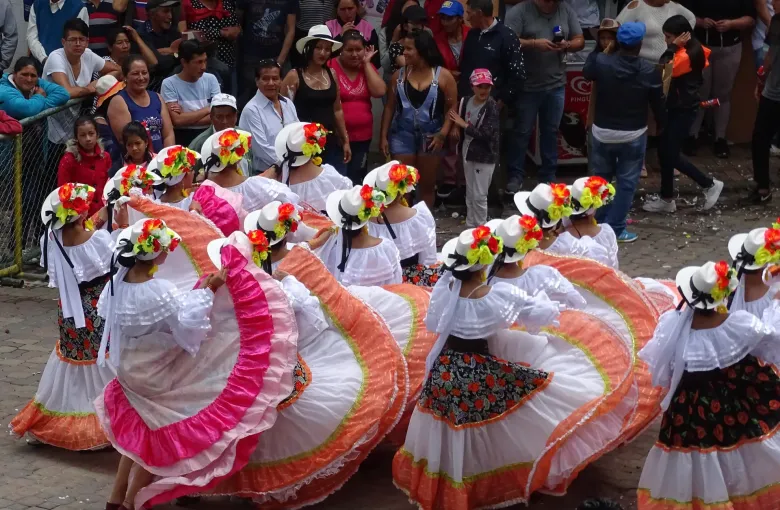
Ecuadorian Culture and Etiquette
Ecuador names its indigenous peoples in its constitution and recognizes Kichwa and Shuar alongside Spanish. That shapes daily courtesy in ways a visitor notices…
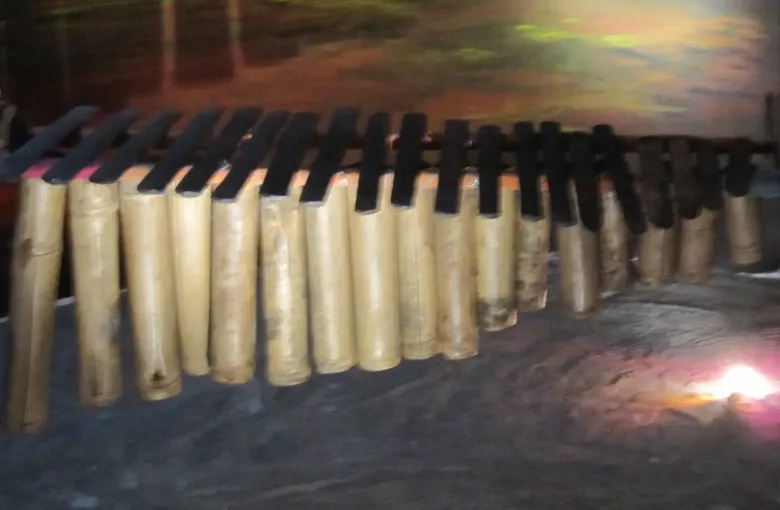
Afro-Ecuadorian Heritage and Reconnection
Afro-Ecuadorian history does not begin with a plantation. It begins with a wrecked slave ship whose survivors established their own polity in the northern forest,…
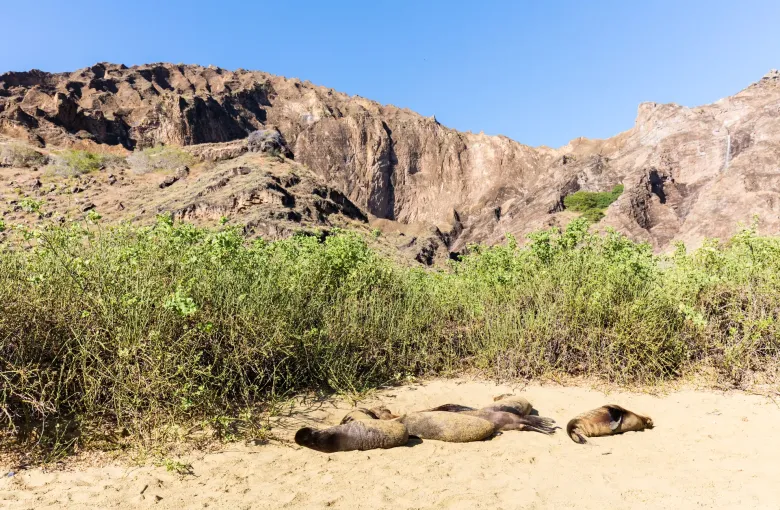
Best Time to Visit Ecuador
Ecuador is small enough to cross in a day and varied enough that no single month is best for all of it. The highlands, the coast, the Amazon and the Galapagos each…