The quick answer
Pack for two climates, because most South African itineraries contain two. Layers for a cold safari morning, lighter clothing for the Cape or the coast, neutral colors for game drives, real sun protection, and an adapter for a plug that is not the one you are expecting.
The plug is the thing people forget
South Africa uses a large round-pin plug of its own that is not used in most of the world, and a standard European or British adapter will not fit it. Newer buildings increasingly also have a smaller three-pin socket, and many hotels have USB points, but neither is guaranteed.
Buy the right adapter before you travel or on arrival at the airport. This is the single most common packing mistake on a South African trip and it is trivially avoidable.
Clothing
Layers, because of the daily swing
A winter dawn on an open game vehicle is cold; the same day is warm by mid-morning. A fleece or light insulated jacket, a windproof outer layer and short sleeves underneath cover nearly every situation. Add a warm hat and gloves for a winter safari — they take no space and you will use them.
Neutral colors for the bush
Khaki, olive, tan and gray. Not a costume convention: strong colors and white are more visible to wildlife, and dark blue and black are best avoided in some areas because they attract tsetse flies. Do not wear camouflage — military-style clothing is restricted for civilians in a number of countries in the region and it is a needless thing to be questioned about.
For the cities and the Cape
South African cities are relaxed but not scruffy; smart-casual covers every restaurant you are likely to eat in. Cape Town in summer is beach and outdoor clothing with something warm for the evening, because the wind turns and the temperature drops after sunset.
The luggage limit on bush flights
If your itinerary includes a light aircraft to a private airstrip, expect a strict weight allowance and a requirement for soft-sided bags that pack into an irregular hold. A hard suitcase can be refused. The allowance is lower than a commercial checked bag and includes your hand luggage. Confirm the specific figure with your operator before packing — it varies by carrier and it is enforced.
Most camps offer laundry, which is why you can pack for a few days rather than the whole trip.
Sun, insects and health
The sun is strong everywhere and stronger at altitude on the highveld. A brimmed hat that survives a moving vehicle, high-factor sunscreen and real sunglasses all earn their place.
Malaria risk exists in parts of the northeast, including the Kruger lowveld, and varies by season; Cape Town, the Garden Route and the highveld are not malaria areas. Because the answer depends on exactly where and when you are going, this page does not attempt to summarize it — consult the CDC guidance for South Africa and a travel health professional several weeks before you go.
Worth their weight
- Binoculars, one pair per person. Sharing is the most common regret we hear.
- A power bank, useful in its own right and more so during any power interruption.
- A soft daypack for the vehicle, and more camera storage than you expect.
- Prescription medication in original packaging, enough for the whole trip, in hand luggage.
- A swimsuit. Nearly every lodge has a pool and you will not expect to want it.
Common questions
Do I need hiking boots?
Not for a game-drive itinerary. For Table Mountain or the Drakensberg, yes.
What about a drone?
Do not bring one casually. Drone use is regulated and national parks have their own rules. Assume no unless you have arranged otherwise in advance.
Is laundry available?
At most camps and lodges. Some do not launder underwear, for cultural reasons, so bring enough.
Seeing it on a LABUSA Travel journey
We send a packing note specific to your itinerary, including the exact luggage allowance for any light aircraft you are booked on and which parts of your route are malaria areas — the general advice above is no substitute for either.
Other Articles
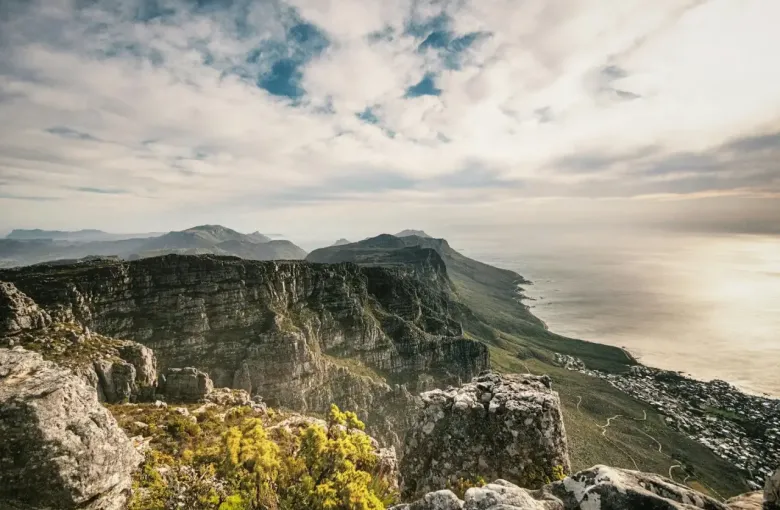
South Africa Weather Guide
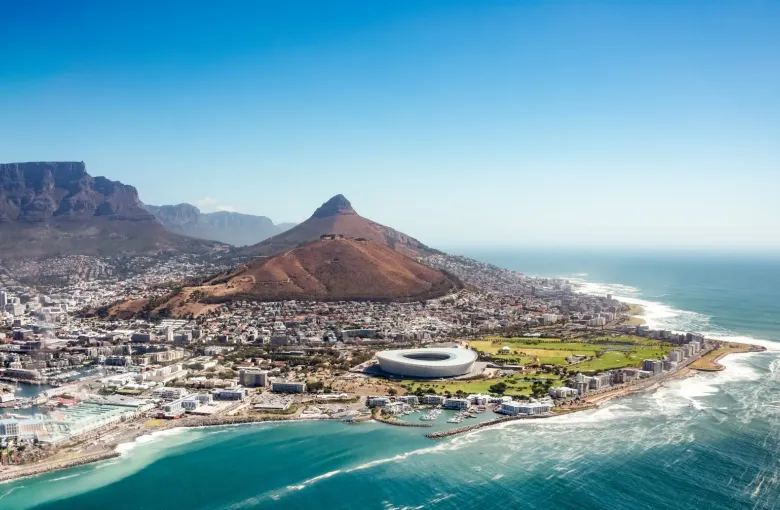
Best Time to Visit South Africa