The quick answer
South Africa has several climates rather than one, and the most useful thing to know is that the Cape gets its rain in winter and the rest of the country gets its rain in summer. Two regions, opposite patterns, one country. Almost everything else follows from altitude and from which ocean a coast faces.
Five South Africas, for weather purposes
The Western Cape — Mediterranean
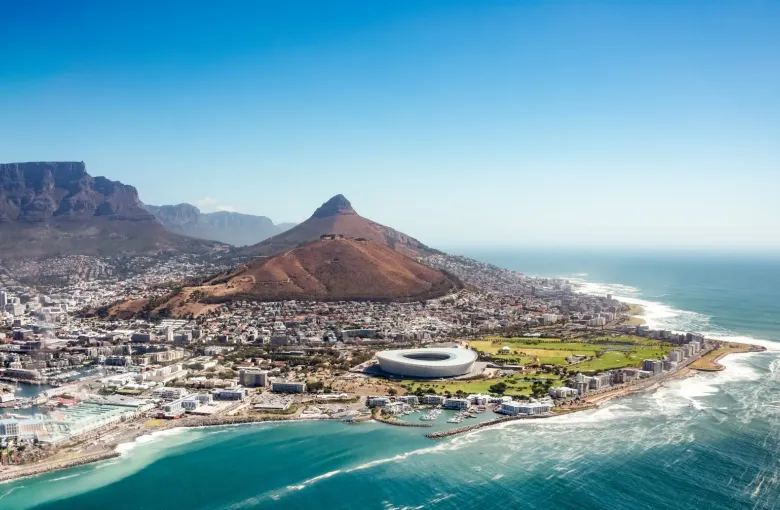
Warm dry summers and cool wet winters, which is the pattern of southern Europe and California and of almost nowhere else in Africa. It is why the winelands are where they are, and why the vegetation — fynbos — is unlike anything in the rest of the country. Summer brings the south-easter, a strong persistent wind that locals treat as a character rather than a nuisance.
The highveld — Johannesburg and Pretoria
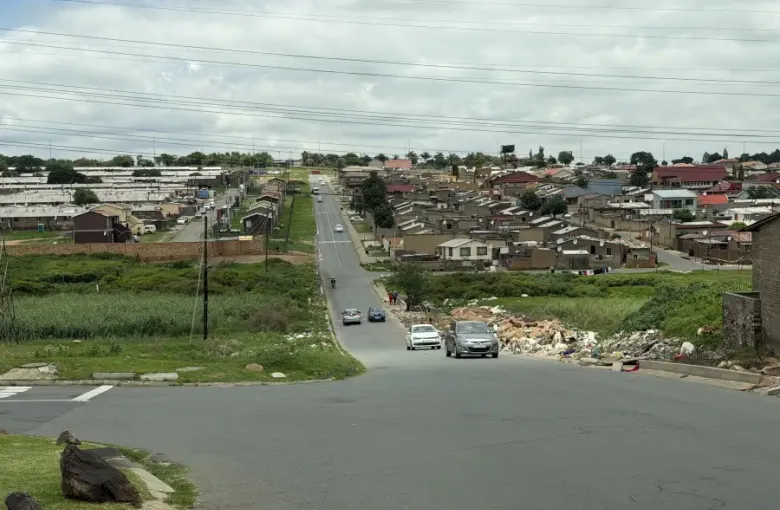
High enough that altitude, not latitude, sets the temperature. Warm bright summer days broken by dramatic afternoon thunderstorms that arrive, empty themselves and clear. Winters are dry, sunny and genuinely cold at night, with frost on the highveld. Visitors regularly arrive expecting Africa to be hot and find themselves cold after dark in July.
The lowveld — Kruger and the northeast
Hot and humid in summer with heavy rain; warm, dry and mild in winter. This is the climate that makes winter the safari season: the bush thins, the water concentrates, and the heat is manageable.
The east coast — Durban and KwaZulu-Natal
Subtropical, warmed by the Indian Ocean, humid, and swimmable year-round. Its rain comes in summer, often heavily. The contrast with Cape Town on the same day can be startling in both directions.
The Karoo and the Northern Cape
Arid, sparsely populated, with the widest temperature swings in the country: severe heat by day and cold at night. Rain is unreliable rather than seasonal. Some of the darkest night skies anywhere.
The cold morning nobody packs for
A winter game drive leaves before dawn in an open vehicle, and in the lowveld or on the highveld that is cold — not brisk, cold. By mid-morning the same person is looking for shade. Layers you can shed solve it entirely. Most camps supply a blanket and a hot water bottle on the vehicle; not all of them do.
Sun and altitude
The sun is strong across the whole country and stronger on the highveld, where the thinner air at altitude burns faster than the air temperature suggests. A day in Johannesburg that feels mild can burn badly. This surprises visitors far more than the heat does.
Common questions
When does it rain in Cape Town?
In winter, roughly May to August. Summer there is reliably dry.
Does rain stop a safari?
Rarely. Summer storms are short and dramatic. The long-term risk is a track becoming impassable, which camps plan around.
Do I need different clothes for different parts of the trip?
Effectively yes. A Cape Town summer and a Kruger winter morning are different climates, and a trip that includes both needs packing for both.
Seeing it on a LABUSA Travel journey
We schedule around the daily swing rather than the daily average — early starts while the animals are moving and the light is good, the hot middle of the day spent somewhere shaded, and a second drive when the light softens.
Other Articles
Best Time to Visit South Africa
South Africa Packing List