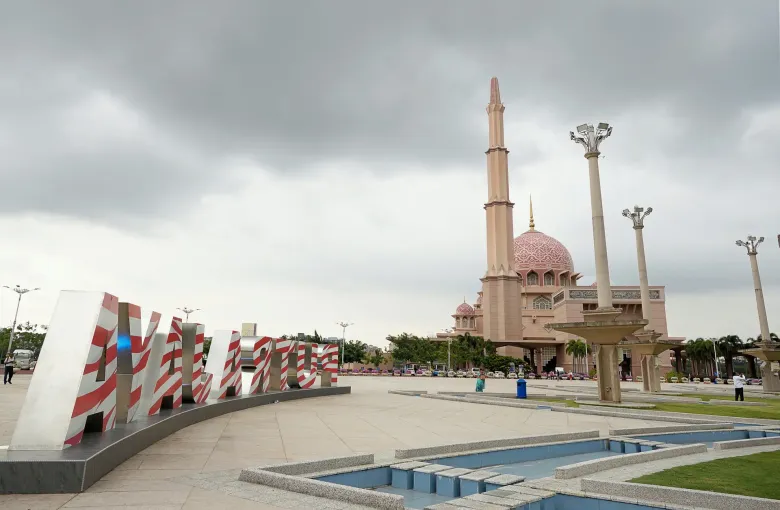
Why this page is framed the way it is.
The item this page fills is called diaspora reconnection across this series of guides, and for Malaysia that framing would be wrong in a way worth stating rather than quietly working around. The Chinese, Indian and Peranakan communities here are not visitors reconnecting with a homeland. They are Malaysian, many of them for five or six generations, and the neighborhoods this page describes are where they live and work now.
So this is a page about heritage and community, and about visiting places that belong to people who are still in them.
What the trade left behind.
The UNESCO record describes Melaka and George Town as historic cities of the Straits of Malacca, inscribed together in 2008. The straits were one of the great trading corridors, and what settled along them did not stay separate. Chinese merchants married into Malay communities and their descendants became the Peranakan, with their own cuisine, dress, architecture and language. Tamil communities arrived through trade and later through colonial labor recruitment. Arab, Armenian, Acehnese and European traders left streets named after them that are still named after them.
That is the layering the inscription recognizes, and it is why these cities look and taste unlike anywhere else in the region.
The quarters, and what they actually are.
George Town on Penang island is where this is most visible on foot. A single walk passes clan jetties, Chinese clan houses, mosques, Hindu temples and the shophouse streets that supported all of them. Its Little India is a working commercial district: goldsmiths, textile shops, restaurants, music playing into the street. Melaka carries the same history in a more compact form, with its own Chinatown, its Peranakan houses and the same mix of places of worship on adjacent blocks.
A note on names. Neighborhoods called Little India exist in several countries in this region, and the ones on this page are Malaysian. George Town is on Penang and Melaka is on the peninsula's west coast; neither is in a neighboring country, and a guide that blurs them is describing somewhere else.
How to visit a place where people live.
These are not open-air museums, and the single most useful adjustment is to behave as though you are on somebody's street, which you are. Ask before photographing people, and particularly before photographing into a home, a shop or a place of worship. Buy something. Eat where you are standing rather than photographing and moving on. Keep your voice down inside temples and mosques and go where visitors are invited.
The clan jetties in George Town are the clearest case: they are houses on stilts where families live, with a public walkway through the middle. The walkway is open to you; the houses are not.
Tracing a family connection.
If you are coming with a specific family link, the useful resources are institutional rather than touristic: clan associations, temple and mosque records, state archives and local historical societies. This cluster research register does not cover genealogical records in Malaysia and this page will not pretend otherwise, so it names the kinds of body to approach rather than inventing a procedure. Write ahead rather than arriving unannounced, and expect records to be held in more than one language.
Two practical notes.
Much of this is walking in dense urban streets with traffic, and the safety advice this cluster cites records that bag-snatching is common in major cities and that thieves on motorbikes cut straps or pull off bags carried on the shoulder nearest the road. Carry the bag on the inside.
And the same advice states that by law you must carry identification and to always carry your passport, which is as true on a day of walking a heritage quarter as anywhere else.
Sources
- UNESCO World Heritage Centre: records six properties inscribed on the World Heritage List for Malaysia and three sites on its Tentative List, among them Melaka and George Town, Historic Cities of the Straits of Malacca, inscribed in 2008. Accessed 22 September 2026.
- UK Foreign, Commonwealth and Development Office: records a kidnapping threat in coastal eastern Sabah, that it is illegal under Malaysian law for foreign nationals to take part in demonstrations, that bag-snatching by thieves on motorbikes is common and has injured and killed people who held on, that credit card and ATM fraud is widespread, that drink spiking and methanol poisoning occur, and that by law you must carry identification. Accessed 22 September 2026.
Other Articles
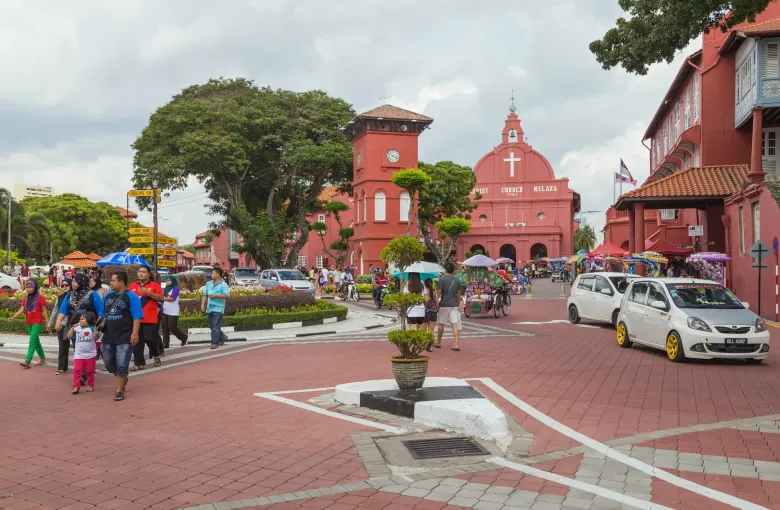
Melaka and George Town: Visitor and Heritage Guide
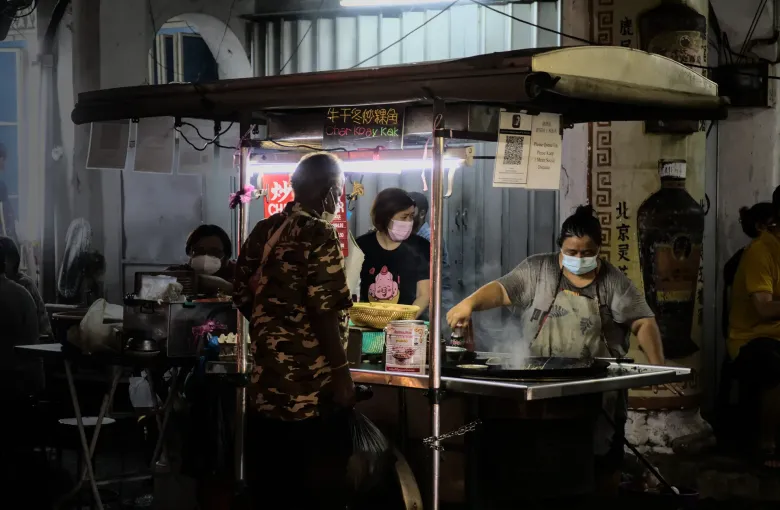
Malaysia Food Guide