The quick answer
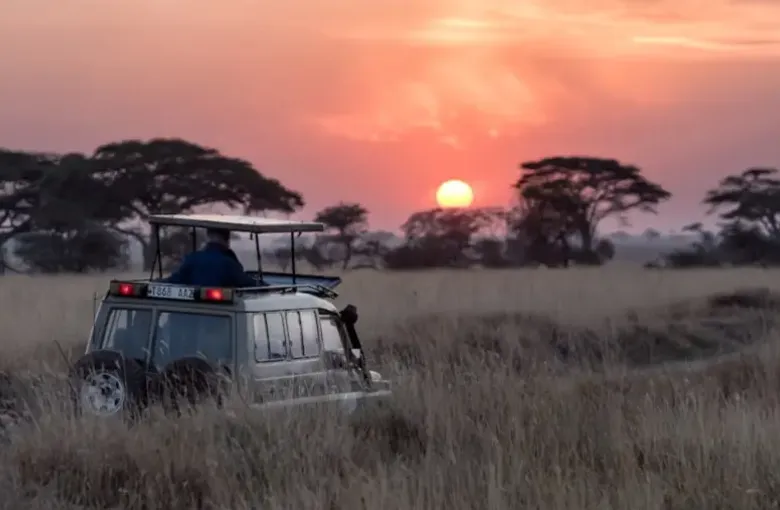
Most visitors travel to Zambia between May and October, the dry season. That is when the bush thins out, the wildlife concentrates on permanent water, the roads are passable and the walking safaris that made the country’s reputation are running. If you are coming for animals, this is the window.
But Zambia has a complication that most safari countries do not, and it is worth understanding before you book: the waterfall and the wildlife are out of phase with each other.
The split at the heart of a Zambia itinerary
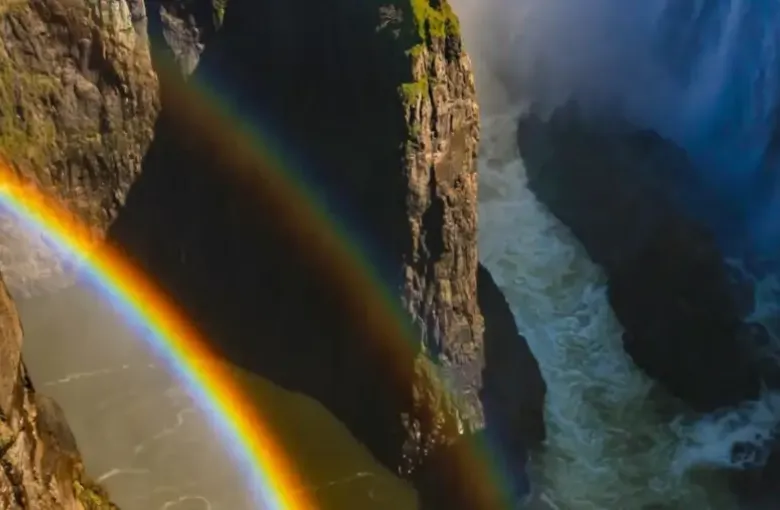
Victoria Falls is fed by the Zambezi, and the Zambezi is fed by rain that falls hundreds of miles upstream. The flood therefore arrives months after the rain does. Peak flow reaches the falls roughly between February and May — which is the tail of the wet season and the beginning of the dry one.
At peak flow the falls are overwhelming, and that is not entirely a compliment. The spray column is visible from a long way off, and standing on the Zambian viewpoints in April means being soaked within a minute and seeing a wall of white water and mist rather than the sculpted gorge in the photographs. Bring a rain shell and accept it cheerfully; it is a genuinely extraordinary thing to stand next to.
By contrast, in October and November the Zambian side of the falls can run close to dry in places, exposing bare rock. This surprises people badly, because it is exactly when the game viewing is at its best. The Zimbabwean side holds water later in the year, which is one reason many itineraries visit both.
So the honest planning advice is: decide which of the two you came for, and treat the other as a bonus. Trying to have both at their absolute peak in one trip means compromising on both.
Season by season
May to August — cool and dry
The most comfortable months to travel. Clear skies, very little rain, and daytime temperatures that are pleasant rather than punishing. Dawn game drives in June, July and August are genuinely cold — near freezing in the valleys on the worst mornings, and colder still in an open vehicle at speed. The falls still carry good water early in this window.
September and October — hot and dry
The classic safari months, and the hardest on the body. Vegetation is at its sparsest, water is scarce, and animals gather at the remaining pools and river frontage in numbers that make October the best game viewing of the year. It is also very hot by the middle of the day, and the falls are at their lowest.
November to April — the wet or emerald season
The rains transform the country. The bush turns brilliant green, migrant birds arrive, and the landscape photographs beautifully. Two practical consequences matter more than the scenery:
- Many camps in South Luangwa and the Lower Zambezi close entirely, usually from around November to April, because the access roads become impassable. This is the single most useful fact on this page. A camp you found online may simply not be open in February.
- Game viewing is harder. The animals disperse because water is everywhere, and thick vegetation hides them.
Some operators run reduced green-season programs, often river-based or from all-weather airstrips, and prices fall accordingly. It is a real option for a returning visitor, and rarely the right choice for a first trip.
A note on Devil’s Pool
The natural rock pool at the lip of the falls only operates when the water is low enough to be safe, broadly in the dry months. It is run by licensed operators from Livingstone Island and cannot be reached independently. If it is on your list, it constrains your dates — check the operator’s current season before fixing anything else.
Seeing it on a LABUSA Travel journey
Our Zambia planning starts with this split rather than glossing over it. Tell us whether the falls or the wildlife is the reason for the trip and we will build the itinerary outward from that, with honest advice about what the other one will look like in the month you have chosen.
Other Articles
Zambia Weather Guide
South Luangwa National Park: Visitor and Heritage Guide