There is no single Thai cuisine.
The food of the north is not the food of the northeast, and neither is the food of the south. Dishes that travel abroad under the single label of Thai food come from particular places and particular traditions, and the version you meet in one province will differ from the one you know. Treat regional difference as the point rather than as an inconsistency.
The practical form of that is to eat what the place you are in is known for, rather than ordering the same dish across the country and judging it.
Street food is the normal way to eat.
Eating at a stall or a small open-fronted shop is not an adventurous choice in Thailand; it is how a great deal of the country eats every day, and the cooking is often highly specialized. A stall that sells one dish has usually been selling that one dish for a long time.
The ordinary signals are the useful ones: a stall with turnover, food cooked in front of you rather than sitting, and a queue of people who are not tourists. None of that is a guarantee, and it is the same judgment you would make anywhere.
Food and water precautions belong to a health source, not to us.
The US Centers for Disease Control and Prevention publishes a Thailand traveler health page that sets out vaccine and medicine advice for this destination, including hepatitis A and typhoid, which are the two most directly connected to food and water. It states which travelers each recommendation applies to.
This guide does not tell you what to take or what to avoid drinking, because that decision belongs with a travel health professional who knows your history and your itinerary, and the CDC page is the place to start that conversation rather than a page like this one. The advice this cluster does carry is to begin it at least 8 weeks before you travel.
One caution that is about drinks rather than food.
The UK Foreign, Commonwealth and Development Office states that drinks served in bars in Thailand are often stronger than those served at home. It sits in the same passage as its warning that drink spiking and drug-assisted sexual assault happen in tourist areas, with both male and female victims, and that attacks are most common during full moon parties or similar events and near bars late at night.
Taken together those say something simple: a familiar number of drinks is not a familiar amount of alcohol, and an unattended drink is the specific risk. The travel safety guide carries the full passage.
What this page will not do.
It names no restaurant, gives no price and recommends no dish as the best of its kind. No source in this cluster publishes any of those, and a restaurant recommendation that has not been checked recently is worse than none. What we will do, if you are traveling with us, is build the eating into the itinerary around where you actually are.
If you want to understand the Chinese-Thai contribution to what you will eat in Bangkok, the heritage and community guide covers the quarter where a good deal of it is concentrated.
Sources
- US Centers for Disease Control and Prevention: the Thailand traveler health page: that routine vaccines should be up to date before travel, and that it sets out vaccine and medicine advice for this destination covering hepatitis A, typhoid, rabies and Japanese encephalitis, along with malaria and mosquito-borne illness including dengue. The page states which travelers each recommendation applies to, and the decision belongs with a travel health professional rather than with a guide. Accessed 22 September 2026.
- UK Foreign, Commonwealth and Development Office: the Thailand safety and security page: that criticizing the Thai monarchy is illegal, that the law can be interpreted broadly and carries a long prison sentence, and that journalists, human rights defenders and members of the public have faced charges over political comments and shared articles; that travelers should not hand a passport over as a guarantee, for example to motorcycle or jet-ski rental businesses, because companies may hold on to passports against claimed damage; that people have arrived in Thailand and been illegally transported to neighboring countries on the promise of high-paying jobs that turn out to be scams, and may then be detained on re-entry while their immigration status is validated; that drink spiking and drug-assisted sexual assault happen in tourist areas with both male and female victims, that attacks are most common during full moon parties or similar events and near bars late at night, and that drinks served in bars are often stronger than those at home; that there have been incidents of ATM skimming and that a traveler should use an ATM in a bank and protect the PIN; and that people have drowned in strong riptides, that Thailand has lifeguards at designated beaches and operates a flag system for safe swimming, and that warning signs and especially red flags should be followed. Accessed 22 September 2026.
Other Articles
Thailand Culture and Etiquette Guide
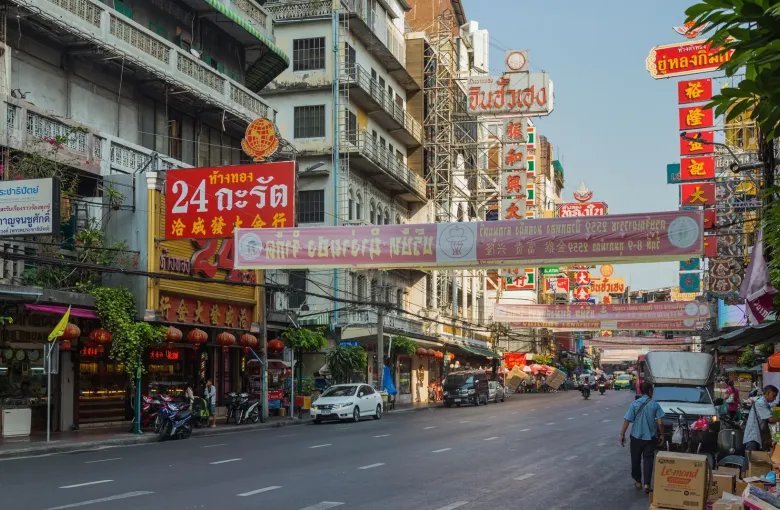
Thailand, Heritage and Community