Two festivals, and a date problem.
Songkran, the Thai new year, falls in April and is marked with water. Loy Krathong, when small decorated floats are set on the water, is set by the lunar calendar and therefore lands on a different date each year; in parts of the north it coincides with a lantern festival.
This guide does not give you a date for either in a future year. Songkran's public holiday dates are set by the Thai government and can be adjusted; Loy Krathong moves with the moon. No source in this cluster publishes either as a forward calendar, and a date invented for a page would be read as a booking instruction.
Confirm both against a Thai official calendar for the specific year you travel, and confirm them again before booking anything non-refundable around them.
What a festival actually does to a trip.
The practical effects are the ones worth planning for and they are the same everywhere: transport fills, accommodation prices rise, and some businesses close while others extend. A festival is a reason to book earlier than you otherwise would, not a reason to arrive and see what happens.
Songkran in particular changes the character of public space for several days. Water is thrown in the street, enthusiastically and at strangers, and a visitor is not exempt. Anyone who would find that difficult should know it before arriving rather than on the day, and anyone carrying a camera or a phone should carry it in something waterproof.
The safety note that belongs here rather than elsewhere.
The UK Foreign, Commonwealth and Development Office records that drink spiking and drug-assisted sexual assault happen in tourist areas of Thailand, with both male and female victims, and that attacks are most common during full moon parties or similar events and near bars late at night. It advises not leaving drinks unattended or accepting drinks from strangers, and pre-arranging transport home.
That passage names festival-style events specifically, which is why it sits on this page as well as on the travel safety guide. It is not a reason to avoid a celebration; it is the reason to go with a plan for getting home.
Religious observance is not a performance.
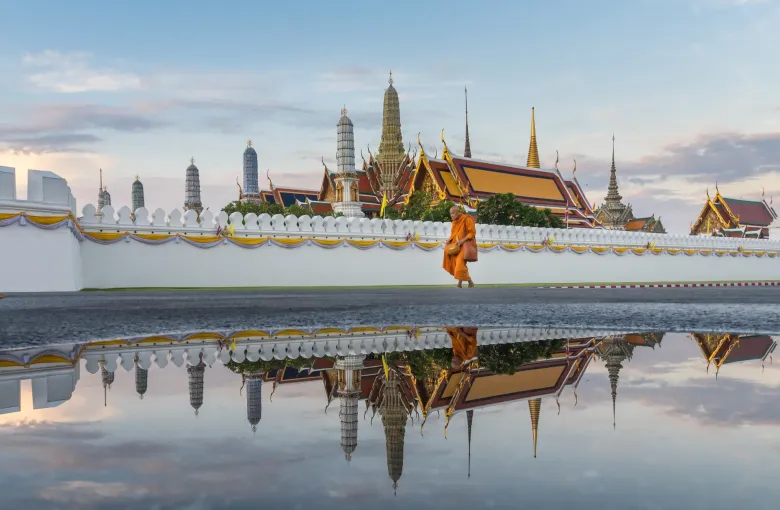
Several of Thailand's calendar events are Buddhist observances rather than entertainments, and some are marked by restrictions rather than by festivity, including on the sale of alcohol. Where an occasion is devotional, the courtesy owed is the same as at any temple, and the culture and etiquette guide sets out what that looks like.
If the festival is the reason for the trip.
Then the date is the fixed point and everything else moves around it, which is the reverse of how most itineraries are built. Tell us that at the start and we will build outward from the confirmed date rather than fitting it in afterwards.
Sources
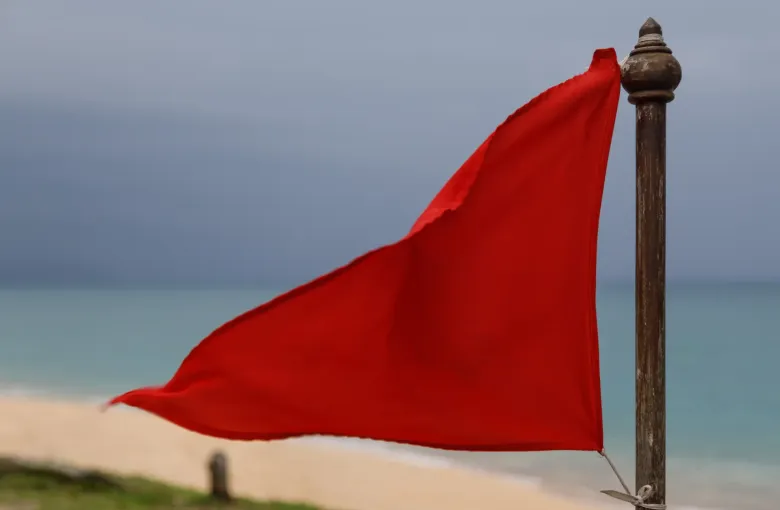
- UK Foreign, Commonwealth and Development Office: the Thailand safety and security page: that criticizing the Thai monarchy is illegal, that the law can be interpreted broadly and carries a long prison sentence, and that journalists, human rights defenders and members of the public have faced charges over political comments and shared articles; that travelers should not hand a passport over as a guarantee, for example to motorcycle or jet-ski rental businesses, because companies may hold on to passports against claimed damage; that people have arrived in Thailand and been illegally transported to neighboring countries on the promise of high-paying jobs that turn out to be scams, and may then be detained on re-entry while their immigration status is validated; that drink spiking and drug-assisted sexual assault happen in tourist areas with both male and female victims, that attacks are most common during full moon parties or similar events and near bars late at night, and that drinks served in bars are often stronger than those at home; that there have been incidents of ATM skimming and that a traveler should use an ATM in a bank and protect the PIN; and that people have drowned in strong riptides, that Thailand has lifeguards at designated beaches and operates a flag system for safe swimming, and that warning signs and especially red flags should be followed. Accessed 22 September 2026.
- UK Foreign, Commonwealth and Development Office: the Thailand travel advice landing page: that no travel can be guaranteed safe, and that anyone who chooses to travel should research their destination and get appropriate travel insurance. Accessed 22 September 2026.
Other Articles
Thailand Culture and Etiquette Guide
Thailand Travel Safety Guide