The short version.
New Zealand is an informal country with a strong sense of collective responsibility for places. Very little of its etiquette is about dress or address. Almost all of it is about what you leave behind and whether you were ready for what you took on.
Two founding peoples shape the country: Māori, who are tangata whenua, the people of the land, and the settler population that arrived later. Māori language, names and protocol are part of ordinary public life rather than a heritage display, and a visitor who treats them that way will not put a foot wrong.
A request with a name attached.
Most travel writing about cultural protocol generalizes. The Department of Conservation does not, and that is why this page quotes it rather than paraphrasing.
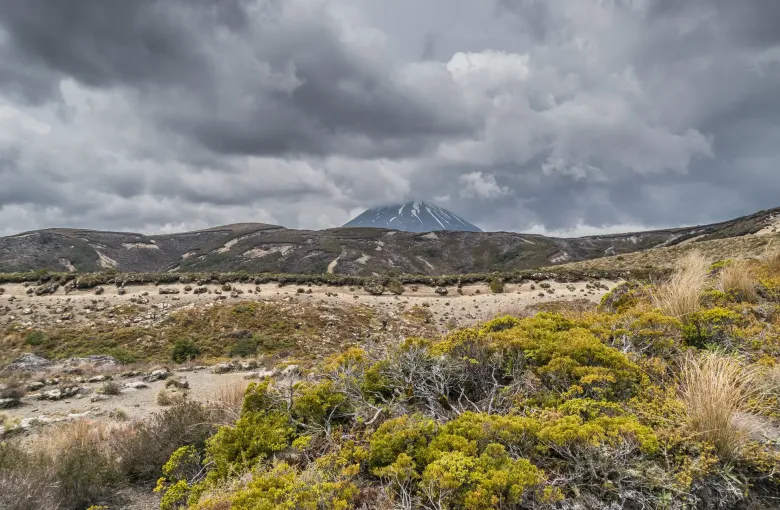
Writing about the Tongariro Alpine Crossing, the Department records that Tongariro is a World Heritage site for its cultural values, that the mountains are sacred to Ngāti Hikairo ki Tongariro of Ngāti Tūwharetoa, and asks visitors to honor the requests of Ngāti Hikairo by staying safe and respecting their home.
Read the shape of that. The request is made by a named iwi about specific mountains, and what it asks for is that you stay safe and that you treat the place as somebody's home. Those two things are the same request rather than two, which is the part a visitor most often misses: being unprepared is not only a risk to you, it is a burden placed on the people who live there.
Manaaki.
The Department notes that Manaaki Rangers greet visitors daily from November to April, and that bookings are recommended for all visitors. The rangers are there to welcome and to inform, and the interaction is a courtesy in both directions. Stop, say hello, and listen to what they say about the day's conditions.
Preparedness as manners.
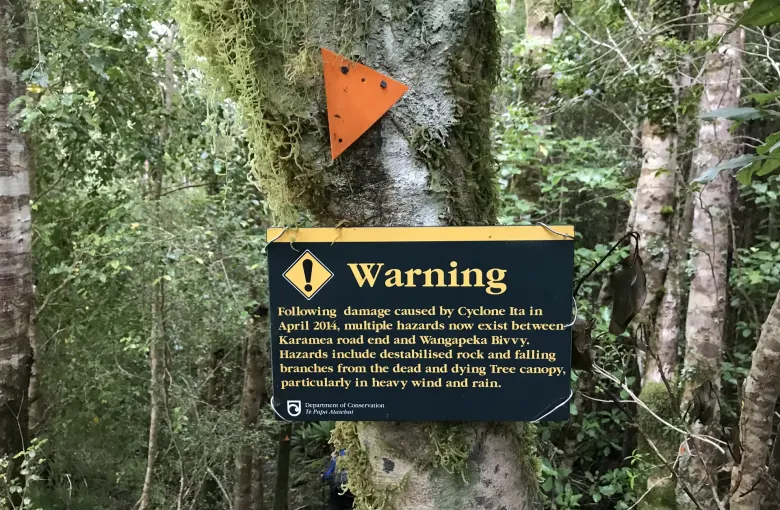
The Department's general guidance asks visitors to take care of Aotearoa, and always be prepared for your trip, and states that everyone who lives and travels here has a responsibility to look after it.
That sentence explains a great deal about how New Zealanders react to visitors in the outdoors. Turning up for an alpine route in the wrong clothes is not read as a personal choice. It is read as an imposition on the volunteers and rangers who would have to come and find you, and on the place itself. Preparation here is closer to good manners than to caution.
Leave no trace, meant literally.
Carry out everything you carry in, stay on the formed track, and do not take anything from a place, including stones from a riverbed. The country has spent decades keeping introduced organisms out, and the same instinct applies to what you move around within it.
Institutions and how they price.
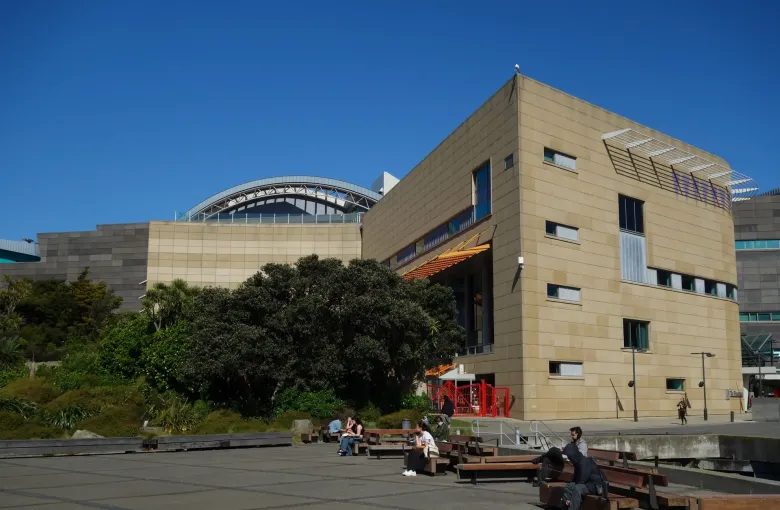
The Museum of New Zealand Te Papa Tongarewa states that entry is free for New Zealanders and people living in New Zealand, and that international visitor tickets are sold separately. It is worth understanding what that arrangement says: the national museum is a public good funded by the people who live there, and a visitor is contributing rather than being charged extra.
In practice.
Greet people. Take the rangers seriously. Be ready for the weather you might get rather than the weather you booked for. Treat named places as belonging to somebody. And if the itinerary includes a marae visit or a guided cultural experience, let us arrange it through the people whose place it is, rather than around them.
Sources
- New Zealand Department of Conservation: records that Tongariro is a World Heritage site for its cultural values, that the mountains are sacred to Ngāti Hikairo ki Tongariro of Ngāti Tūwharetoa and asks visitors to honor the requests of Ngāti Hikairo by staying safe and respecting their home, notes that Manaaki Rangers greet visitors daily from November to April and that bookings are recommended for all visitors, and gives an average wind speed of 55 kph or greater and a wind chill of minus 10 degrees Celsius or colder as conditions in which to reconsider. Accessed 22 September 2026.
- New Zealand Department of Conservation: asks visitors to take care of Aotearoa and to always be prepared for a trip, and states that everyone who lives and travels here has a responsibility to look after it. Accessed 22 September 2026.
- New Zealand Department of Conservation: states that Tongariro is New Zealand's oldest national park and a dual World Heritage area. Accessed 22 September 2026.
- Museum of New Zealand Te Papa Tongarewa: states that museum entry is free for New Zealanders and people living in New Zealand and that international visitor tickets are sold separately. Accessed 22 September 2026.
Other Articles
Māori Heritage and Visiting Responsibly
Tongariro National Park: A Visitor and Heritage Guide