
Three climates, one suitcase
A standard Namibia route crosses a cold foggy coast, a hot desert and a temperate high plateau, often within the same week. Everything below follows from that.
Clothing
- Layers, and a genuinely warm jacket. Desert dawns from May to August can be at or below freezing, and a sunrise dune climb starts in the dark.
- A windproof or fleece for the coast in every month — Swakopmund is cool and foggy when the interior is hot.
- Neutral, light colors and breathable fabrics for the day. Namibia is dusty; dark clothing shows it immediately.
- Closed shoes with grip, and something you do not mind filling with sand if you are climbing dunes. Sand gets everywhere and is very fine.
- A wide-brimmed hat and proper sunglasses. Glare off pale sand and salt pan is severe.
- A buff or scarf. For dust on gravel roads, which is constant.
⚠ No camouflage clothing. It is restricted for civilians across much of the region; leave it at home.
Health and sun
- High-factor sunscreen and lip balm. The dry air cracks lips in a day or two.
- Moisturizer and eye drops. This is the driest air most visitors ever meet, and contact-lens wearers feel it first.
- Insect repellent if you are going north. Malaria is a northern risk — the Zambezi region, Kavango and the far north — and is not a concern in the desert or the south. Talk to a travel clinic about your specific route; see our Namibia travel safety guide.
- Prescription medication in original labeled packaging, in carry-on, with margin. Towns have pharmacies; the road between them does not.
If you are self-driving
Namibia is the great self-drive country of Africa, and the kit list changes accordingly:
- A physical map or offline navigation. Mobile coverage disappears for long stretches. Do not rely on live routing.
- Far more water than you think. A breakdown in the Namib is a heat problem before it is a mechanical one.
- Know where the spare and the jack are, and check them at pickup. Gravel-road punctures are routine; two spares is not paranoid on remote routes.
- A power inverter or 12V charger, and a torch.
Kit that earns its weight
- Binoculars, one pair per person, for Etosha's waterholes.
- A dust-proof bag or wrap for cameras. Fine sand is the enemy of lens mechanisms, and dune photography puts you in it.
- A headlamp for camps that run generators on a schedule.
- A refillable water bottle.
Planning with LABUSA Travel
We send a packing note for your actual route — how much of it is coast, how much desert, and whether you are driving yourself, which changes the list more than the season does.
Other Articles
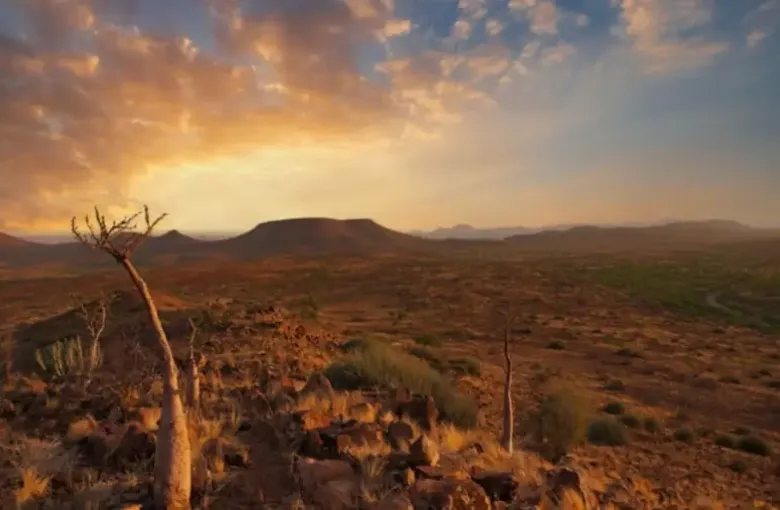
Namibia Weather Guide
Namibia’s weather explained: the Benguela fog on the coast, the wide desert temperature range, the high plateau, and where the rain actually falls.
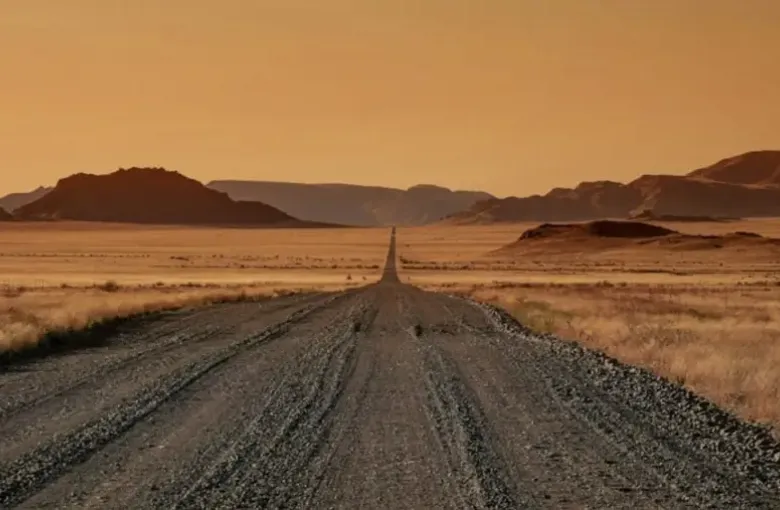
Getting Around Namibia
Getting around Namibia: why most visitors drive themselves, how to handle gravel roads safely, the fly-in alternative, and the distances involved.
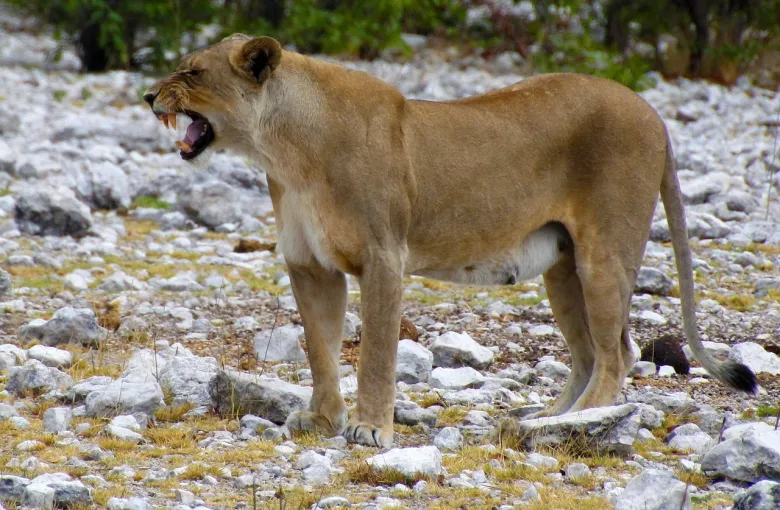
Namibia Travel Safety Guide
Staying safe in Namibia: why the road is the main risk, where malaria actually is, desert heat and water, wildlife rules, and where advisories are published.