The short version.
There is no single best month, and the reason is geography rather than evasion. Malaysia is in two pieces separated by several hundred miles of sea. The peninsula and the Borneo states of Sabah and Sarawak sit in different wind patterns, so a month that is settled in one can be the wet one in the other, and even the peninsula's own east and west coasts do not agree with each other. Anyone who tells you one month suits the whole country is describing half of it.
What this page will not do is print a rainfall table. No source in this cluster research register publishes one, and a figure reproduced from memory would look exactly like a checked one on the page while being impossible for you to verify. The Malaysian Meteorological Department publishes the real numbers and is the place to take that question.
One timing fact this cluster can evidence, and it is a real one.
The UK Foreign, Commonwealth and Development Office health advice records that forest fires in Indonesia can cause haze between June and October, that high levels of air pollution in major towns and cities may make respiratory conditions worse, and that haze can disrupt local travel, regional air travel and schools. That is a seasonal planning fact with teeth, and it is published by an authority rather than inferred.
Read it carefully, because it is a window rather than a certainty. Haze depends on fires in another country and on the wind, so some years in that window are clear and some are not. The practical reading: if you have a respiratory condition, if you are planning to climb, or if the trip is built around long views, June to October carries a risk the rest of the year does not, and the same advice points to the Air Pollutant Index Management System run by the Malaysian Department of Environment for the current picture.
Altitude is a season of its own.
The same health advice records that altitude sickness is a risk in parts of Malaysia, including Mount Kinabalu in eastern Malaysia. That changes what timing means for anyone planning to climb: the constraint is acclimatization and permits rather than a month on a calendar, and it is a decision to make with a clinician rather than with a weather chart.
What actually decides most trips.
In practice the calendar that matters to a visitor here is cultural rather than meteorological. Malaysia is a multicultural country and its public holidays follow several different calendars at once, so the busy weeks move year to year. Two consequences. Transport and hotels fill around major festivals, and a trip planned without checking them can run into sold-out flights between the peninsula and Borneo. And some of what is most worth seeing only happens on those dates, which is an argument for planning toward a festival rather than around one. The festivals guide in this cluster goes into which ones and why the dates move.
If the trip is built around one place.
The UNESCO record for Malaysia lists six World Heritage properties, and the one most visitors build an itinerary around is Melaka and George Town, inscribed together in 2008. Both are lowland coastal cities on the peninsula's west side, both are walked rather than driven, and both are considerably less pleasant in the middle of a hot afternoon than early or late. That is a timing question about the hours of the day rather than the months of the year, and it is the one that most changes how a visit feels.
How to settle it.
Decide which half of the country the trip is really about, because that decides the season. Check the Malaysian Meteorological Department for the months you are considering, in the specific region. Check the public holiday calendar for the year you are traveling. If June to October is in scope, factor the haze risk honestly rather than hoping. And if you are going to both halves, build in a margin at the crossing: it is an immigration control rather than a domestic hop, which the entry requirements guide covers.
Sources
- UK Foreign, Commonwealth and Development Office: advises seeing a health professional at least 8 weeks before travel, names malaria, dengue and rabies in the states of Perlis, Kedah, Penang and Sarawak among the health risks, records altitude sickness as a risk including on Mount Kinabalu, and notes that forest fires in Indonesia can cause haze between June and October. Accessed 22 September 2026.
- UK Foreign, Commonwealth and Development Office: advises against all but essential travel to parts of Malaysia, and states that no travel can be guaranteed safe and that travelers should get appropriate travel insurance. Accessed 22 September 2026.
- UNESCO World Heritage Centre: records six properties inscribed on the World Heritage List for Malaysia and three sites on its Tentative List, among them Melaka and George Town, Historic Cities of the Straits of Malacca, inscribed in 2008. Accessed 22 September 2026.
Other Articles
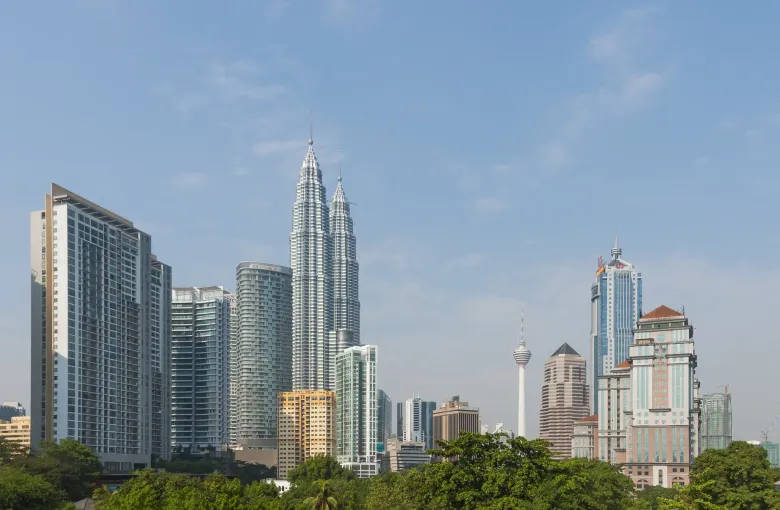
Malaysia Weather Guide
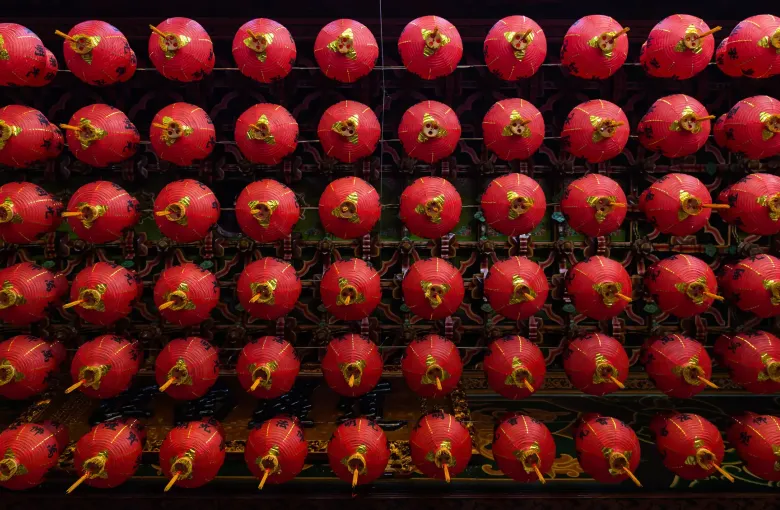
Malaysia Festivals and Celebrations