History
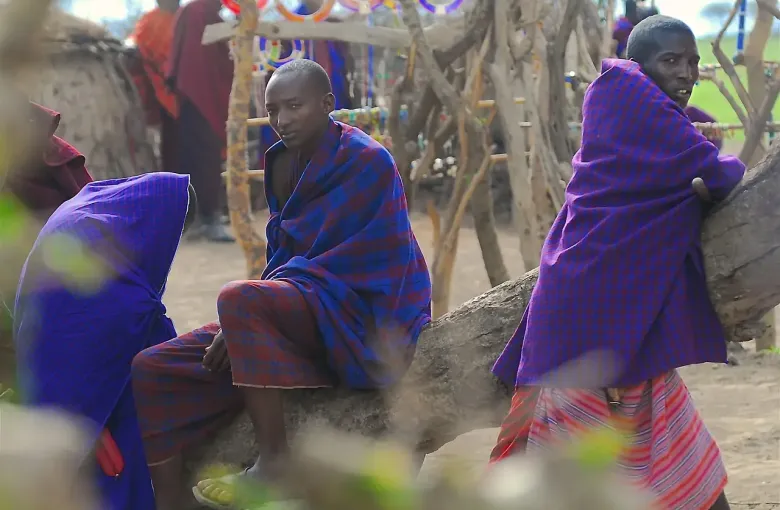
The Mara is the northern end of a single ecosystem that continues south across the border as the Serengeti; the international boundary means nothing to the animals that move through it. The land is the historic grazing territory of the Maasai, and the reserve carries their name.
It is administered by the Narok County Government rather than by the national parks service, which is a genuine distinction and not a technicality: fees, rules and management are set at county level, and it is why arrangements at a Mara gate differ from those at a Kenya Wildlife Service park.
What you will see
Open rolling grassland with escarpments and riverine woodland, and one of the highest concentrations of large predators anywhere. Lion are the animal the Mara is known for and are seen reliably. Cheetah suit the open country. Leopard are present and require patience. Elephant, buffalo, giraffe, zebra and a long list of antelope are resident year-round.
Between roughly July and October the wildebeest herds arrive from the south, and with them the crossings of the Mara River that most people have seen photographed.
The migration, honestly
The herds move on rainfall, not on a calendar. They can be in the reserve early or late, and a river crossing may happen twice in a morning or not for days. Nobody can sell you a crossing on a given date, and an operator implying otherwise is overselling.
What a well-planned trip does is put you in the right area for several days in the right months, and accepts that the rest is weather and luck. Travelers who go with that expectation are almost always delighted; travelers who go to tick off one image are sometimes not.
The reserve and the conservancies
Around the reserve sits a ring of community conservancies — land leased from Maasai landowners, with limits on how many camps and vehicles operate on each. The practical differences are substantial:
- Vehicle numbers at a sighting are capped in the conservancies and not in the reserve.
- Off-road driving, night drives and walking safaris are generally possible in a conservancy and restricted in the reserve.
- Conservancy fees flow to the landowning families as lease income.
- The reserve holds the river crossings, so migration season still draws people into it.
The common answer is a stay that uses both: the conservancy for quality of experience, the reserve for the set pieces.
Visiting
Reach it by light aircraft from Nairobi in well under an hour, or by road in most of a day. Fees are payable per person per day and are usually included on an organized itinerary. Drives run early and late; the middle of the day is hot and quiet.
Bring layers for a cold dawn, neutral colors, sun protection and binoculars. The Mara is open country and there is no shade in the vehicle.
Visiting respectfully
Crowding at sightings is the Mara’s real problem, and visitors participate in it. Ask your guide to hang back rather than join a ring of vehicles; the photographs are better anyway. Never ask a driver to go off-road where it is not permitted, or to get closer than the animal is comfortable with — a cheetah that abandons a hunt because of vehicles has lost a meal.
Cultural visits to Maasai villages are widely offered and vary enormously in how they are run. Ask who is paid and how. A visit arranged with the community, paying it directly, is a different thing from a staged performance, and the difference is worth insisting on.
Common questions
How many nights?
Three is the number that consistently works. Two is enough to see a great deal. One is a long way to travel for a single drive.
Is it too crowded?
In the reserve in peak season, in places, yes. The conservancies are the answer to that and they are why they exist.
Is a balloon flight worth it?
For many people, once, yes — dawn over the plains is remarkable. It is expensive and it is weather-dependent.
Seeing it on a LABUSA Travel journey
We plan Mara stays with enough nights to make the wildlife the point rather than the itinerary, and we are candid about what the migration season can and cannot promise. Where a conservancy will give you a better experience than the reserve, we will say so.
Other Articles
Amboseli National Park: Visitor and Heritage Guide
Best Time to Visit Kenya