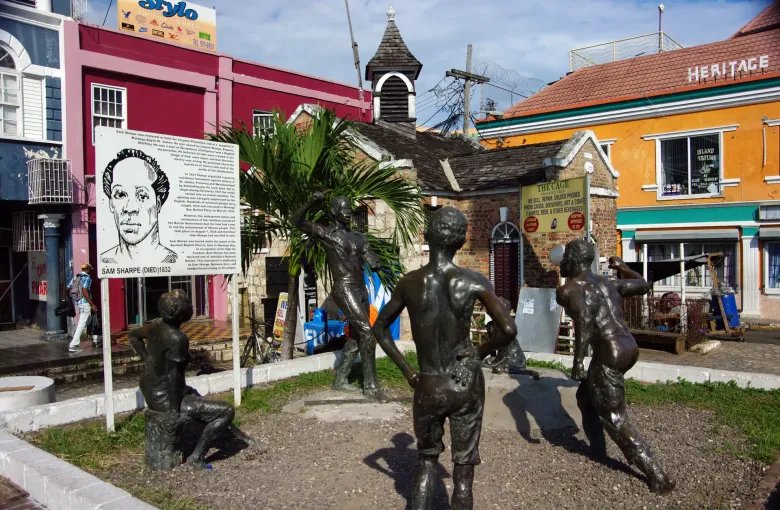
Few small countries have exported as much culture as Jamaica. Its music, its language and its image are known everywhere, and that familiarity is exactly the problem: visitors often arrive believing they already know the place, and what they know is a version assembled abroad.
Language
English is Jamaica's official language, and everything official, printed and taught is in it. Alongside it, and used by almost everyone, is the language most Jamaicans call Patois and which language registers list as Jamaican English Creole. It is a language in its own right, with its own grammar, rather than an accent or a slang.
You do not need to speak Patois and you should not attempt to perform it. Imitating it as a visitor reads as mockery even when it is meant warmly. Listen, ask when you do not follow, and expect people to move between Patois and English depending on who they are speaking to.
Greeting
Greeting properly matters in Jamaica more than in many places visitors come from. Walking up to someone and immediately asking a question reads as rude. Say good morning, good afternoon or good evening first, wait for the reply, and then ask. This single habit changes how a whole trip goes.
Respect for age is real and visible. Older people are greeted first and addressed with more formality.
Dress
Jamaicans dress carefully, and dressing carelessly is noticed. Beachwear belongs on the beach. Wearing swimwear or going shirtless in a town, a shop, a restaurant or on public transport is not a neutral choice, and it marks the wearer as someone who has not thought about where they are.
For church, and for any formal occasion, dress properly and modestly. It will be appreciated in a way that is immediately obvious.
Church and faith
Jamaica is a deeply religious country with an unusually high number of churches for its size, and Sunday is visibly different from other days. Visitors are usually welcome at a service and are often warmly received, but arrive as a participant rather than a spectator: dress properly, follow what the congregation does, and do not photograph the service.
⚠ Photography
Ask before photographing people, always, and accept no as an answer without negotiating. This matters especially in communities that are photographed often and consulted rarely. If someone asks for payment, either pay it or put the camera away.
Do not photograph police, military personnel or security installations.
Rastafari
Rastafari is a religion and a way of life, not a costume and not a marketing theme. Its symbols are widely sold to visitors and widely misused by them. Treat adherents and their practices with the same respect you would give any other faith, and do not assume that someone with locs is Rastafari or that someone Rastafari will discuss their beliefs with a stranger.
Beyond the gate
The all inclusive resort is a real part of Jamaica's economy and a small part of its life. Leaving it, eating where people eat, buying from people who made the thing, and paying the asking price without haggling hard over small sums are the ways a visitor's money reaches the people around them. Bargaining is normal in craft markets; grinding someone down over the equivalent of a dollar is not a good look anywhere.
Small things worth knowing
- Handshakes are firm, and eye contact is expected.
- "Soon come" does not mean soon. It means it will happen.
- Do not discuss local politics with strangers, and be careful with humor about crime.
- Litter matters and is noticed, particularly in and around protected areas.
Sources
- Ethnologue, SIL International: Jamaica country language record: 4 living indigenous languages, among them Jamaican English Creole, Jamaican Sign Language, Konchri Sain and Taino, and 1 non-indigenous language, English, established within the country and recorded as the official language. Accessed 18 September 2026.
- UNESCO World Heritage Centre: Blue and John Crow Mountains, Date of Inscription 2015, a mixed cultural and natural property in eastern Jamaica. Accessed 18 September 2026.
- UK Foreign, Commonwealth and Development Office: Jamaica travel advice: the index to the entry, safety and health pages this cluster draws on, and the standing guidance that no travel can be guaranteed safe. Accessed 18 September 2026.
Other Articles
Jamaica Festivals and Celebrations
Jamaica Food Guide