The quick answer
May to October is the classic window, and Botswana rewards it more than most safari countries do — because in the Okavango Delta the dry season is also the wet season. That sounds like a contradiction. It is the single most important thing to understand about this country.
Why the delta floods when it is not raining
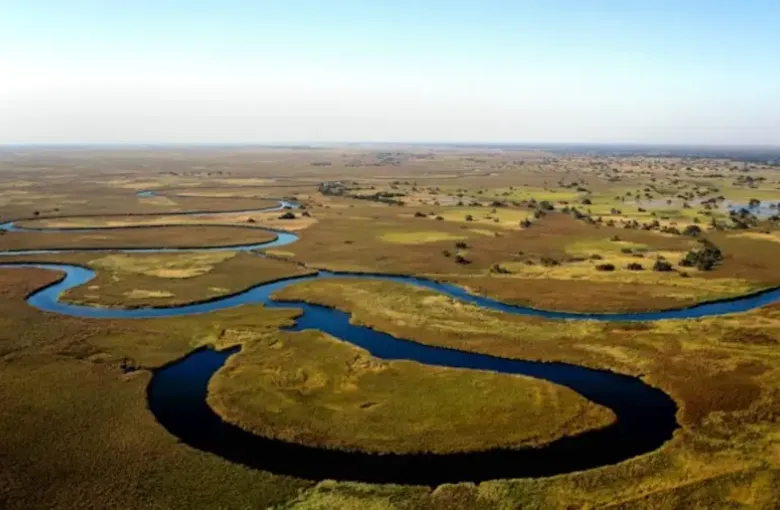
The Okavango River rises in the Angolan highlands, hundreds of miles to the north-west. Rain falling there in January takes months to work its way down the Panhandle and out across the fan of channels and islands that forms the Delta.
So the flood arrives in Botswana around June, July and August — in the middle of the dry, rainless winter. The water spreads across a landscape that is otherwise parched, the channels fill, the floodplains green, and animals concentrate around them because there is nothing else.
The result is the best of both conditions at once: high water for mokoro and boat activities, and dry-season game viewing on land. It is why so many Botswana itineraries cluster into the same few months, and why the good camps book a long way ahead.
Season by season
May to August — dry, cool, and the flood at its peak
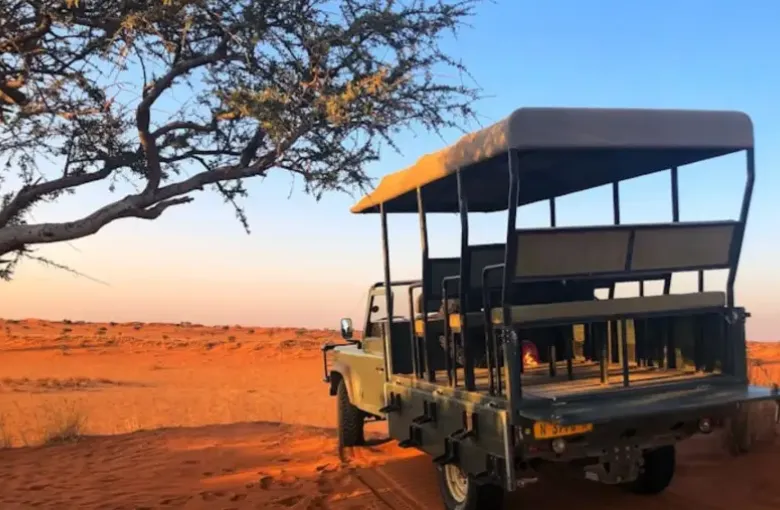
Clear skies, almost no rain, comfortable days. Mornings are genuinely cold — the Kalahari loses heat fast overnight and a dawn game drive in June or July is a serious cold-weather proposition, made worse by an open vehicle. The delta is at or near its fullest, which is the window for mokoro trips and water-based camps.
September and October — hot, dry, and the best game viewing
Temperatures climb steeply, especially in October, which is uncomfortable by the middle of the day. It is also when wildlife concentration peaks: the bush is bare, the pans have dried, and animals are tied to permanent water. Chobe's elephant congregations along the river in these months are among the great wildlife sights in Africa.
November to April — the green season
The rains arrive as afternoon storms rather than steady drizzle, and the country transforms. Two things happen that do not happen at any other time:
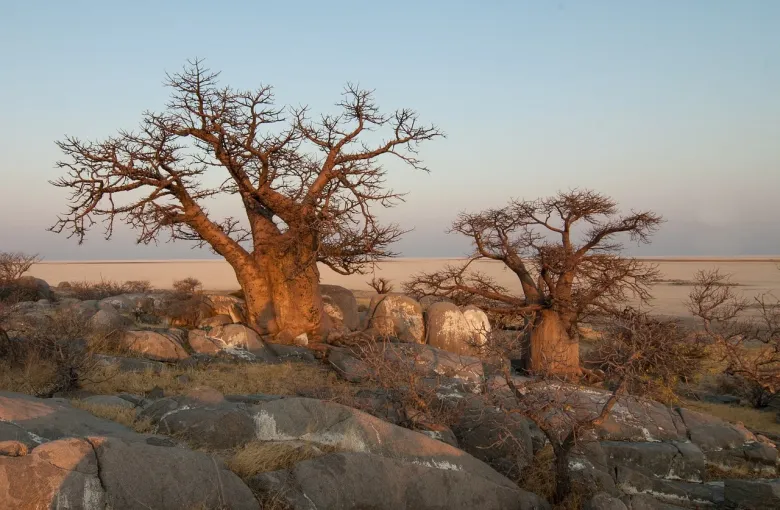
- The Makgadikgadi and Nxai Pans come alive. Zebra move onto the grasslands in one of Africa's longest overland migrations, and the pans, which are lifeless dust for most of the year, hold water and flamingos.
- The Kalahari greens. The Central Kalahari is at its best in the wet months, which is the reverse of everywhere else in the country.
Against that: general game viewing is harder because water is everywhere and animals disperse, some roads become difficult, and a few camps close. Rates fall substantially, and the light for photography is superb.
Choosing between them honestly
If this is a first trip and the Okavango is the reason for it, come between June and October and accept that you are traveling in the busy, expensive season. If you have been before, or the pans and the Kalahari interest you more than the delta, the green season is a genuinely different country and much better value.
What we would not do is promise both in one trip. The delta at full flood and the Makgadikgadi migration are six months apart.
A note on how Botswana sells itself
Botswana has followed a deliberate high-value, low-volume tourism policy for decades: fewer visitors, smaller camps, higher prices, and large areas kept genuinely wild. That is why you will not find budget mass tourism in the delta, and why a Botswana safari costs what it does. It is also why the wildlife experience is as uncrowded as it is.
Planning with LABUSA Travel
Tell us whether the flood, the game or the pans is the reason for the trip and we will build outward from that — and we will say plainly what the other two will be doing in the month you have chosen.
Other Articles
Botswana Weather Guide
Okavango Delta: Visitor and Heritage Guide