The quick answer
Botswana's festival calendar is built around cultural festivals held by particular communities rather than around national carnivals. They are real community occasions, usually annual, and most fall between roughly May and October — which is also the best time to travel.
⚠ Dates move. Most are set locally each year and announced a few months ahead. Confirm close to the time rather than planning a trip around a date you found online, and treat any festival as a wonderful addition to an itinerary rather than the fixture the itinerary depends on.
The ones worth planning around
Domboshaba Cultural Festival
Held at the Domboshaba ruins in the north-east, a stone-walled site associated with the Bakalanga and their history in the region. The festival brings traditional dance, dress, food, poetry and craft to the site itself, and it is the principal celebration of Bakalanga culture and the Ikalanga language. Usually in the second half of the year.
Dithubaruba Cultural Festival
The Bakwena festival at Molepolole, west of Gaborone, named for the hills where the Bakwena once had their stronghold. Dance, regiments, traditional dress and a strong emphasis on passing custom to younger people.
Kuru Dance Festival
Held at D'Kar in the Ghanzi district, this is a San festival organized by San communities, bringing groups from across the Kalahari — and across borders — to dance, compete and trade. It is one of the few contexts in which a visitor can encounter San performance that is genuinely community-run rather than staged for tourists. Go respectfully, pay the entry, and ask before photographing.
Maitisong Festival
Gaborone's performing-arts festival, usually in the first half of the year: theater, music, dance and film across venues in the capital. Urban, contemporary and a completely different face of Botswana from the safari brochures.
Toyota Kalahari 1000 Desert Race
Not a cultural festival at all, but the biggest annual event in the Botswana calendar for many people: a punishing off-road motorsport race that draws enormous crowds. Accommodation near the route disappears when it is on, which is worth knowing even if you have no interest in it.
⚠ The four traditions UNESCO lists as at risk
All four Botswana elements on UNESCO's intangible heritage lists are on the Urgent Safeguarding list, not the Representative list — pottery-making skills of the Kgatleng District (2012), Dikopelo folk music of the Bakgatla ba Kgafela (2017), the Seperu folkdance (2019) and the Wosana ritual (2024).
Seperu is a dance of the Veekuhane community, its most striking element the fan-shaped train of the women's dress. Wosana is a rain-related ritual practice. Both, and the other two, were listed because the number of practitioners has fallen and transmission to younger generations is at risk.
The practical implication for a traveler is worth stating plainly: these are not guaranteed to be performed on any given visit, and they should not be requested as entertainment. When they are performed publicly, at a festival or by invitation, turning up and paying properly is a small act of support.
Public holidays
Botswana Day, on 30 September, marks independence in 1966 and is celebrated with two days of public holiday, cultural events and a great deal of travel around the country. It is a good time to be here and a difficult time to book anything at short notice.
Attending well
- You are a guest at someone's tradition. Follow your host, dress modestly, and take your cue on where to stand.
- Ask about photography and accept restrictions without argument.
- Expect heat, crowds and few facilities. Water, a hat, patience.
- Confirm the date locally and close to the time.
Planning with LABUSA Travel
If a festival is the reason for your trip, tell us early and we will be straight about what can and cannot be guaranteed — and we will build an itinerary that stands up whether or not the date holds.
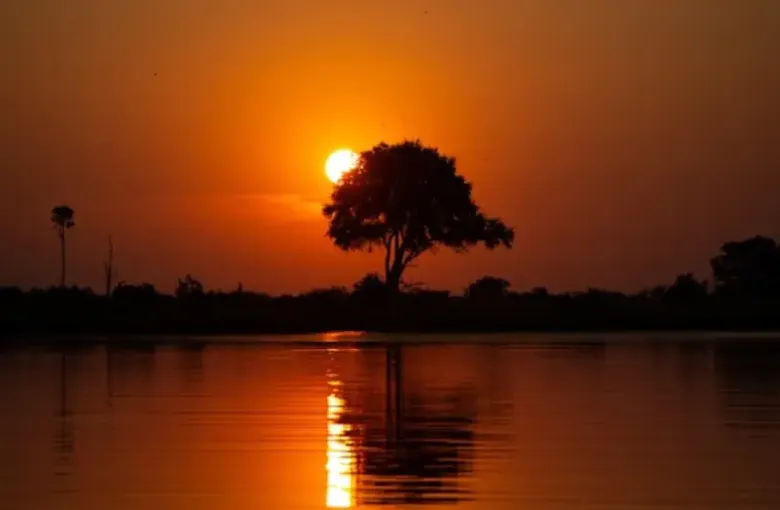
Banner photograph by Mompati Dikunwane, CC BY-SA 4.0, via Wikimedia Commons.
Other Articles
Botswana Culture and Etiquette Guide
Botswana and Diaspora Reconnection