The quick answer
Botswana has a semi-arid, largely Kalahari climate: a long dry season from roughly April to October, and a hot wet season from November to March. The defining feature for a visitor is not the heat but the range — the gap between afternoon and dawn is wide, and it catches people out every single season.
The dry season: April to October
Cool and dry, May to August
Sunny, cloudless and comfortable by day. At night the desert radiates its heat away rapidly and temperatures fall hard; frost is possible in the Kalahari in June and July. A dawn game drive in an open vehicle in July is genuinely cold, and camps hand out blankets and hot-water bottles because they are needed, not as a flourish.
Hot and dry, September and October
The build-up. Temperatures rise week by week and October is the hottest month of the year, often punishingly so in the middle of the day. Activity schedules move to early morning and late afternoon. This is also the peak of game viewing, because there is no water anywhere except the rivers and the delta.
The wet season: November to March
Rain here is convective — a tall afternoon thunderstorm that clears, rather than a gray day — and it is unevenly distributed. The north and east are wetter; the south-west, in the deep Kalahari, is genuinely arid and may see very little.
Humidity rises, the country turns green within days of the first storms, and the light becomes dramatic. Roads on black-cotton soil become impassable when wet, which is what closes camps rather than the rain itself.
⚠ The flood is not the rain
The single most confusing thing about Botswana's calendar: the Okavango Delta's flood peaks in the middle of the dry season, because it is fed by rain that fell in Angola months earlier. So the delta is at its fullest in June to August, when Botswana itself has had no rain for weeks. Our best time to visit guide works through what that means for planning.
Regional differences worth knowing
- The Okavango and Chobe (north): more humid, warmer nights, and the wettest part of the country in summer.
- The Kalahari (center and south-west): the widest temperature range in the country. Very hot days, very cold nights, little rain.
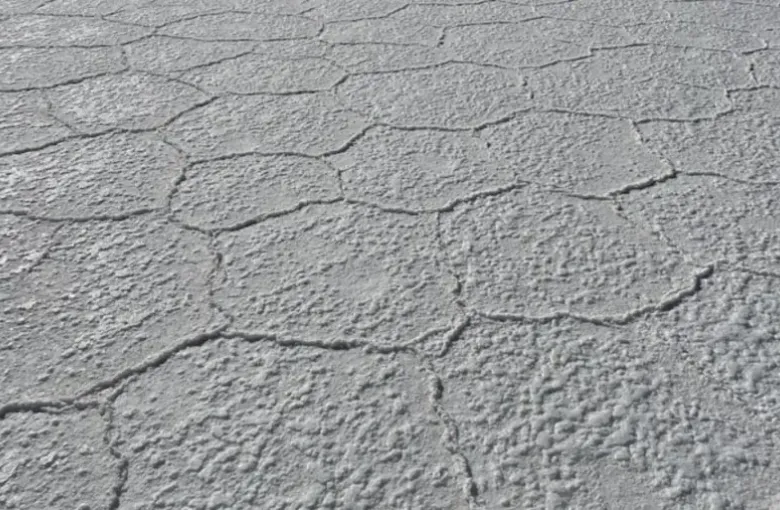
- The Makgadikgadi pans: exposed, with almost no shade and strong glare off the salt. Hotter in feel than the thermometer suggests.
- Gaborone and the south-east: milder and more temperate than the rest.
What this means for packing
- Layers, always, and a genuinely warm jacket for May to August — not a light sweater.
- Sun protection year-round. Clear desert skies are unforgiving.
- Lip balm and moisturizer. The dry-season air is extremely dry, and this is the complaint we hear most often.
- A light rain shell for the green season, more for the afternoon storm than for the day.
Our Botswana packing list works through the rest, including the restriction on camouflage clothing.
Checking a forecast
For a specific camp, ask the camp. Conditions in the delta, on the pans and in the Kalahari can differ sharply on the same day, and operators watch their own airstrips closely.
Other Articles
Best Time to Visit Botswana
Botswana Packing List