Carry 511.
The emergency medical number in Barbados is 511, and the official instruction is to dial it and ask for an ambulance. Put it in your phone and on paper. Different islands in this sea use different numbers, so a number remembered from a previous trip is worth checking rather than trusting.
The insurance question is not whether you have it.
This is the single most useful thing on this page. The official advice states that medical treatment in Barbados can be expensive and asks travelers to check private clinics' prepayment policies, as they may not accept medical travel insurance as payment.
Being insured and being able to pay on the day are different things. Ask your insurer directly whether it guarantees payment to providers or expects you to pay and claim back, what it will do about a pre-existing condition, and whether the policy covers medical evacuation. That last one matters because serious cases may need emergency evacuation: the island's main facility, Queen Elizabeth Hospital, is described as able to cope with many types of treatment, with serious cases going elsewhere.
Start the medical preparation eight weeks out.
The advice is to check vaccine recommendations at least 8 weeks before your trip, and to see what health risks you will face, which for Barbados the advice lists as including Zika virus, dengue and chikungunya. All three are mosquito borne, and the United States Centers for Disease Control and Prevention is unambiguous about the response: all travelers should take steps to prevent mosquito bites, and chikungunya vaccination is generally not recommended. Repellent and covering up in the evening are the whole of the defense rather than a supplement to a vaccine.
The same source asks travelers to make sure you are up-to-date on all routine vaccines before every trip, and recommends hepatitis A for unvaccinated travelers one year old or older going to Barbados and hepatitis B for unvaccinated travelers of all ages. It also notes that while dogs infected with rabies are not commonly found in Barbados, rabies vaccines may only be available in larger suburban or urban medical facilities if an exposure does occur.
On medication, the legal status of medicines bought at home can differ abroad. Carry what you need in original labeled packaging with a copy of the prescription. Our packing list covers the rest.
Getting about without driving.
You do not have to drive here. Taxis are not metered, fares are regulated by the government, and the standing instruction is to agree the fare in Barbados dollars before setting off and to carry cash, because drivers do not always accept card payments. Many drivers offer island tours at a flat rate, which is often the easiest way to see a lot in a day.
If you do want to drive, the visitor permit can be issued by an approved hire car agency rather than requiring a separate trip to a government office. Our transportation guide sets out the permit, the fee as the government publishes it, and the bus and minibus services.
Sun, sea and the things the advice actually warns about.
The swimming advice deserves attention: currents can be deceptively strong, including on the popular south and west coast beaches, some beaches do not have lifeguards or warning flags, and lifeguard stations that do exist are not staffed around the clock. Motorized craft including jet skis and catamarans may operate close to shore.
No source here publishes a temperature, so this guide gives none, but heat and sun are worth planning around on any tropical trip: shade in the middle of the day, and more water than feels necessary.
Where to stay, in practical terms.
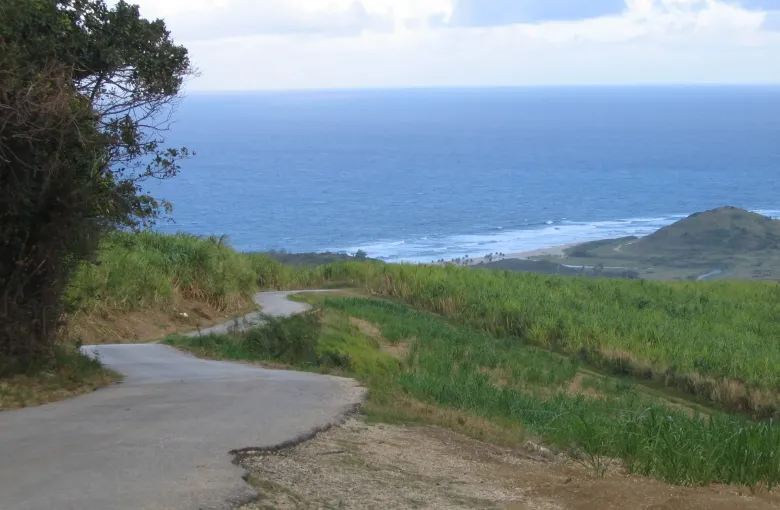
The west and south coasts are the sheltered sides and where most visitors stay; the northeastern Scotland District is steep, broken country with an exposed Atlantic coast, covered in our Scotland District guide. Our accessible travel guide covers the ground where mobility is a consideration, including the honest gap in what official sources publish.
Sources
- UK Foreign, Commonwealth and Development Office: Barbados travel advice, health: that the emergency medical number is 511 and a caller should ask for an ambulance; that vaccine recommendations should be checked at least 8 weeks before a trip; that health risks in Barbados include Zika virus, dengue and chikungunya; that the Barbados healthcare system is not as extensive as the United Kingdom system; that Queen Elizabeth Hospital can cope with many types of treatment but that serious cases may need emergency evacuation; that medical treatment can be expensive; and that private clinics may not accept medical travel insurance as payment. Accessed 20 September 2026.
- UK Foreign, Commonwealth and Development Office: Barbados travel advice, safety and security: that although there is no recent history of terrorism in Barbados attacks cannot be ruled out; that there have been incidents of violent crime including armed robbery, sexual assault, gang-related shootings and carjackings, and that there has been an increase in gang-related murders involving guns, some in populated and public areas; that visitors should secure their accommodation, take care walking alone off busy main roads and taking money from ATMs, avoid isolated areas including beaches after dark, use only licensed taxis, take particular care around large gatherings including street and beach parties, and leave valuables in a safe; that it is illegal to possess drugs and that there are severe penalties for all drug offenses; that it is illegal for anyone, including children, to wear camouflage clothing; that attitudes toward the LGBT+ community in the Caribbean are mostly conservative; that currents can be deceptively strong including on some popular beaches on the south and west coasts and that some beaches have no lifeguards or warning flags; that taxis do not have meters, that there are standard fares for most destinations, that the fare should be agreed in Barbados dollars with the driver, and that drivers do not always accept card payments; that the hurricane season normally runs from June to November; that earthquakes are a potential risk with occasional tremors; and that the underwater volcano Kick em Jenny is located 5 miles off the coast of Grenada. Accessed 20 September 2026.
- United States Centers for Disease Control and Prevention: Travelers health, Barbados: that a traveler should make sure they are up to date on all routine vaccines before every trip; that hepatitis A is recommended for unvaccinated travelers one year old or older going to Barbados, and that infants 6 to 11 months old should also be vaccinated; that hepatitis B is recommended for unvaccinated travelers of all ages traveling to Barbados; that dogs infected with rabies are not commonly found in Barbados, but that if rabies exposures occur rabies vaccines may only be available in larger suburban or urban medical facilities; that all travelers should take steps to prevent mosquito bites; and that chikungunya vaccination is generally not recommended. Accessed 20 September 2026.
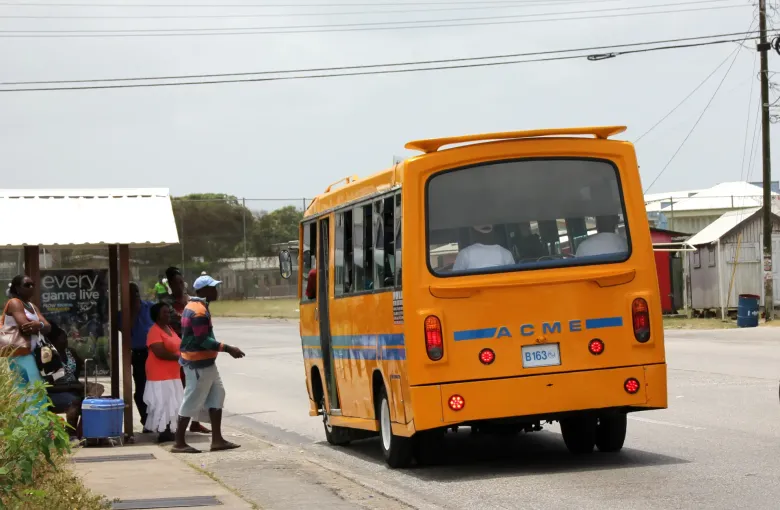
- Government of Barbados: Getting Around Barbados: that a visitor or temporary resident may obtain a temporary driving permit by applying to the Licensing Authority offices at The Pine in St. Michael, Oistins in Christ Church and Holetown in St. James, or at any approved hired car agency; that the applicant must hold a valid driving license issued by the traffic authorities in their country of normal residence; that there is a fee for the permit and that it is valid for one year or until the expiry of the applicant driving license, whichever is the shorter time; that the visitors permit costs 10.00 for less than two months and 100.00 for two months and over up to a maximum of one year, with no currency named; that the transportation used for getting around is the Barbados Transport Board, Public Service Vehicles, Route Taxis or ZRs and taxi cabs; that the minibuses are painted bright yellow with a blue stripe, are privately owned and travel select routes, and that their fare is the same 3.50 BBD as the transport board buses; that ZR vans are white minivans with a maroon stripe down the side and the letters ZR on the license plate and run specific routes numbered one through eleven; and that taxis do not operate on a meter system, that a fare should be established before accepting a ride, and that fares are regulated by the government. Accessed 20 September 2026.
Other Articles
Accessible Travel in Barbados
Getting Around Barbados