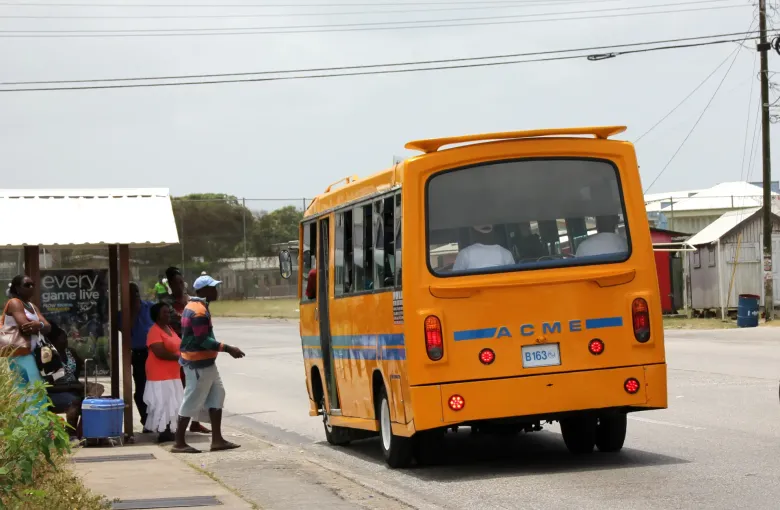
The season, stated by the body that defines it.
The National Hurricane Center publishes that the Atlantic hurricane season runs from June 1 to November 30, and adds in the same passage that tropical cyclone activity sometimes occurs before and after these dates. That is the only seasonal range on this page, because it is the only one an official body states.
The UK Foreign, Commonwealth and Development Office gives the same window in rounder terms: the hurricane season normally runs from June to November. The two are a difference of precision rather than a disagreement, and this guide cites each in its own words.
What is missing from the Barbados advice, and why that matters.
Read the official advice for some other islands in this sea and you will find a second sentence after the seasonal one, telling you that most storms pass by. Aruba's page says that most hurricanes pass to the north of it and that it has no record of a recent major hurricane. The Barbados page says nothing of the kind.
That absence is the fact. It is not an oversight to be filled in from a neighboring island's page, and it is not a warning that Barbados is unusually exposed either. It simply means the government that publishes this advice has chosen to state the season and stop. A guide that borrowed the reassurance would turn a seasonal warning into a safety guarantee on an island whose own advice does not offer one.
What this guide will not tell you.
No monthly temperature, no rainfall total, no sea temperature, no single best month. No source in this register publishes a figure for the island, and an average you cannot trace reads exactly like one you can.
For the week you are actually traveling, read a current forecast from a meteorological service. Our weather guide sets out what can honestly be said about the year here, including the two hazards the official advice does name in country.
The thing that shapes a short trip more than a month does.
Barbados does not publish how long you may stay. You are told on arrival, which is a different kind of planning problem from a fixed allowance, and it is worth understanding before you book anything non-refundable. Our entry requirements guide explains what is actually required in advance, and what is decided at the border.
If you plan to drive, there is a permit to arrange, and unusually it is arranged here rather than at home. Our transportation guide covers it, along with the fare rule that catches people out on the first evening.
Sources
- National Hurricane Center: Tropical cyclone climatology: that the Atlantic hurricane season runs from June 1 to November 30, and that tropical cyclone activity sometimes occurs before and after these dates. Accessed 20 September 2026.
- UK Foreign, Commonwealth and Development Office: Barbados travel advice, safety and security: that although there is no recent history of terrorism in Barbados attacks cannot be ruled out; that there have been incidents of violent crime including armed robbery, sexual assault, gang-related shootings and carjackings, and that there has been an increase in gang-related murders involving guns, some in populated and public areas; that visitors should secure their accommodation, take care walking alone off busy main roads and taking money from ATMs, avoid isolated areas including beaches after dark, use only licensed taxis, take particular care around large gatherings including street and beach parties, and leave valuables in a safe; that it is illegal to possess drugs and that there are severe penalties for all drug offenses; that it is illegal for anyone, including children, to wear camouflage clothing; that attitudes toward the LGBT+ community in the Caribbean are mostly conservative; that currents can be deceptively strong including on some popular beaches on the south and west coasts and that some beaches have no lifeguards or warning flags; that taxis do not have meters, that there are standard fares for most destinations, that the fare should be agreed in Barbados dollars with the driver, and that drivers do not always accept card payments; that the hurricane season normally runs from June to November; that earthquakes are a potential risk with occasional tremors; and that the underwater volcano Kick em Jenny is located 5 miles off the coast of Grenada. Accessed 20 September 2026.
Other Articles
Barbados Weather Guide
Historic Bridgetown and Its Garrison