The short version
Ngorongoro is one of only a handful of UNESCO properties inscribed for both natural and cultural value. It was first inscribed in 1979 and extended in 2010, and covers 809,440 hectares from the Serengeti plains to the eastern arm of the Great Rift Valley.
It contains the Ngorongoro Crater, the world's largest caldera, and Olduvai Gorge, a ravine some 14 km long. It is also, unusually for a property of this stature, a place where people live and work.
A multiple land use area, not a park
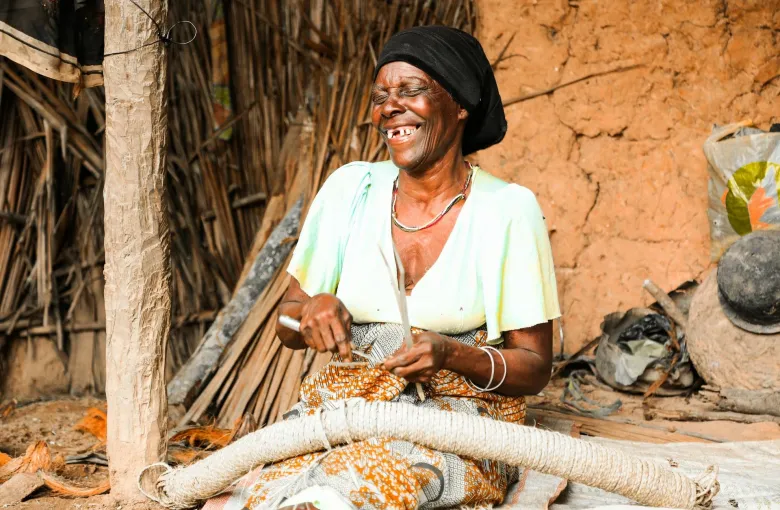
Ngorongoro was established in 1959 as a multiple land use area, with wildlife coexisting with semi-nomadic Maasai pastoralists practicing traditional livestock grazing. That is the arrangement UNESCO inscribed, and it is why the landscape looks different from a national park: you will see cattle and people alongside wildlife.
Visit with that in mind. The Maasai here are residents of an inhabited cultural landscape, not a roadside attraction, and how a group behaves around that is covered in the culture and etiquette guide.
Four million years of human evidence
The area has been under archaeological research for over 80 years and has produced what UNESCO describes as a sequence of evidence of human evolution extending across almost four million years:
- the fossilised footprints at Laetoli, dating back 3.6 million years and associated with the development of human bipedalism;
- a sequence of hominin species in Olduvai Gorge, from australopiths such as Zinjanthropus boisei through Homo habilis and Homo erectus to Homo sapiens;
- an early form of Homo sapiens at Lake Ndutu;
- and, in the crater itself, remains documenting the development of stone technology and the transition to iron.
For a group interested in human origins rather than only wildlife, this is the most significant stop in the country, and it is routinely reduced to a photo pause on the way to the crater floor. It deserves better, and building the time in is a planning decision made before you travel.
Wildlife
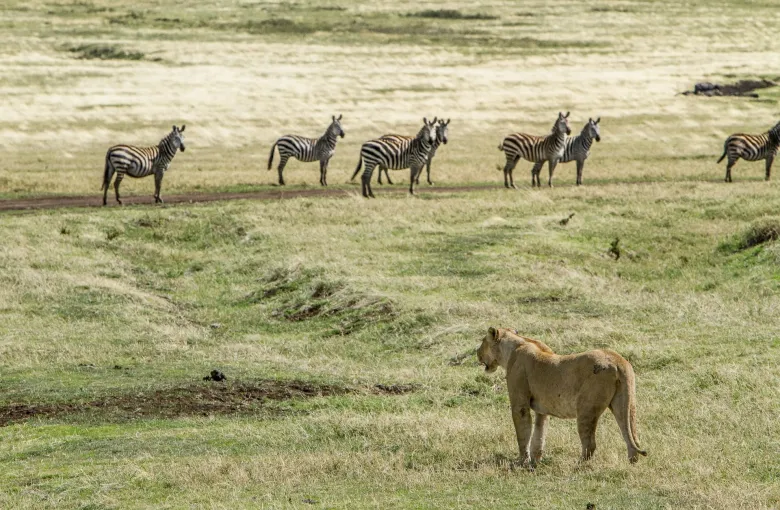
UNESCO cites the density of wildlife in the crater and surrounding areas throughout the year, the presence of globally threatened species including the black rhinoceros, and the annual migration of wildebeest, zebra and gazelles into the northern plains.
Visiting with a group
The crater is high, and mornings on the rim are genuinely cold: see the packing list. Access is regulated and descent is on a schedule, so this is not a place to improvise. Most itineraries pair it with Serengeti, and the two are contiguous but not interchangeable.
Planning with LABUSA Travel
We plan and manage Tanzania journeys for groups: itinerary design, park permits, lodges, internal flights and ground transport, and a single point of contact while you travel. Start with the Tanzania travel guide, or tell us what your group has in mind on the plan your trip form.
Other Articles
Serengeti National Park: Visitor and Heritage Guide