The short version
November to March. Warm, dry days, cool evenings, and the desert sites usable for the whole of the daylight. Outside that window the heat stops being a discomfort and starts being the thing that decides your itinerary.
Why the summer is not a matter of taste
The FCDO's health advice for Saudi Arabia names heat stroke and dehydration during the summer months directly. On a desert-site trip that is the practical risk, not an exotic one. Hegra and At-Turaif are open ground with sandstone and adobe radiating what they absorbed all day, and the sensible summer itinerary shrinks to early morning and after dark, which is a poor return on a long flight.
The season, month by month
November and December. The opening of the good season. Comfortable by day, genuinely cool after sunset in the interior, and the light at AlUla is at its best.
January and February. The coolest part of the year and the easiest for walking sites. Bring a real layer for the evening; the Najd gets colder than people expect.
March. The last comfortable month, and often the prettiest. After it the temperature climbs quickly.
April to October. Hot to very hot, with the Red Sea coast adding humidity to the heat. Not impossible, but it changes what a day can contain.
The calendar that moves
Two calendars run at once here, and only one of them is fixed. Ramadan and the Hajj season are set by the lunar calendar and shift earlier each year against the Gregorian one. Both change how a trip works: opening hours, restaurant service and the rhythm of the day all move during Ramadan, and during Hajj the authorities have stopped visitors who are not performing the pilgrimage from flying to Jeddah, Madinah and Taif.
That last point matters for planning even if it does not sound like a weather question. Jeddah is the gateway to Historic Jeddah and to the Red Sea coast, so a western itinerary can be blocked by a date rather than by a temperature. Check where the lunar calendar has landed for your year before you fix flights.
What we would book
A first trip in late November or February, avoiding the Hajj window, with the desert sites in the first half of the day and the cities in the second. See the weather guide for what the heat actually does to a day, and visa and entry requirements, because the authorisation lasts two years and can be obtained well ahead.
Sources
- UK Foreign, Commonwealth & Development Office: Saudi Arabia health: vaccination advice, and heat stroke and dehydration in the summer months. Accessed 14 September 2026.
- UK Foreign, Commonwealth & Development Office: Saudi Arabia entry requirements: the visa requirement, the electronic travel authorisation and its 730-day validity, six months of passport validity and the penalties for overstaying. Accessed 14 September 2026.
- US Centers for Disease Control and Prevention: Travelers’ Health, Saudi Arabia: the recommended vaccines, and malaria transmission confined to the Asir and Jazan regions near the Yemen border. Accessed 14 September 2026.
Other Articles
Saudi Arabia Weather Guide
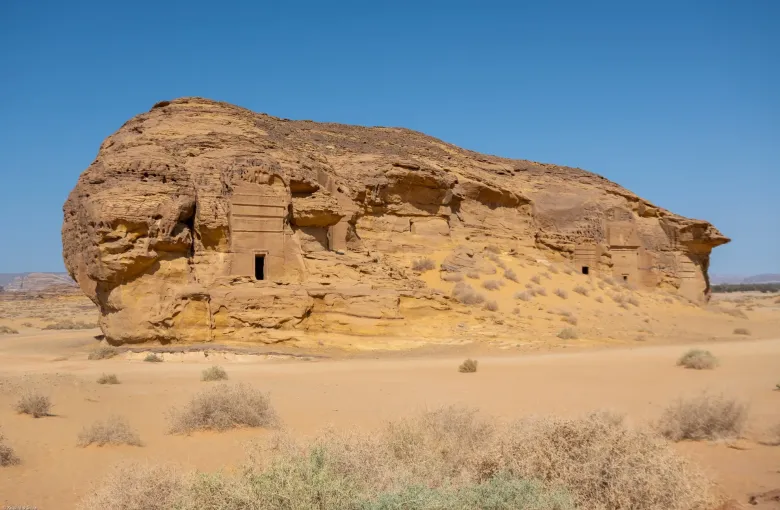
Hegra: Visitor and Heritage Guide