The short version
April to June and September to October. Both shoulders give you mild weather, long enough days, open institutions and cities that are working rather than emptied, and neither carries the two problems that define a French summer.
Those two problems are worth naming before anything else, because they are the only parts of this that come from an official source rather than from preference.
The wildfire window is six months long
The UK advisory's headline warning for France is a high risk of wildfires during the summer season from April to October. It is easy to read that as a July and August problem. It is not: the stated season begins in April.
The risk is highest in the south of the country, along the Mediterranean coast, in Corsica, and in parts of the south west during hot dry weather. The consequence for a traveler is less about danger than about access, because forests, countryside and tourist sites may be closed at short notice and roads may be shut. A Provence or Corsica itinerary in high summer should be built with somewhere else to go.
If the south in summer is the trip you want, the north is the alternative the same weeks: Normandy, Brittany, the Loire and the Channel coast are cooler, and the advisory's fire language does not attach to them the way it does to the Mediterranean.
August, and what it closes
The second problem has nothing to do with weather. France takes its holidays in August, in numbers, and a good deal of the country that a visitor came to use goes with them. Family restaurants close for two or three weeks. So do neighborhood bakeries, small museums, independent shops and some of the places a guidebook recommends warmly. The cities that remain busy are busy with other visitors.
The flip side is real and worth knowing: Paris in August is quieter than Paris in June, traffic thins, and a city that is exhausting in peak season becomes walkable. If your trip is a single city and your list is the large institutions, August rewards you. If it runs on small places and regional food, it does not.
Spring, from April to June
This is the better of the two shoulders for most trips. Gardens are the argument: the Loire châteaux and the formal parks are made for it, and the season builds rather than fades. Days are long by June. The Atlantic and the Channel are still cold for swimming, which matters only if swimming is the point.
June is the month with the most daylight and the least compromise, and it is also where the wildfire season in the south has already begun, so a June trip to the Mediterranean is a summer trip in the terms the advisory uses.
Autumn, from September to October
September is the quiet favorite. The Mediterranean is at its warmest for swimming after a summer of heating, the crowds thin from the first week, the vineyards are in harvest, and the fire risk falls away through the month. October is cooler and wetter in the north, and it is the best month of the year for the Loire and for Burgundy, where the light and the vines do the work.
Museums and monuments return to full hours after the summer, which sounds minor until a shortened schedule costs you an afternoon.
Winter, which is two different countries
From November to March, France divides. The Alps and the Pyrenees are in season and busy, and that is the one time of year when the mountains are the reason to come rather than a detour. Note that winter driving in certain mountain regions requires winter tires or chains from the first of November to the end of March, which is a legal requirement rather than advice.
Everywhere else, winter is low season in the useful sense: no queues, short days, cold rain in the north, and the lowest prices of the year. Paris and Lyon are good winter cities because their pleasures are indoors. The Loire and Provence are not, because theirs are not.
Choosing by what you came for
- Paris and the museums. Any month. Avoid the first fortnight of August if you want the neighborhood rather than the institutions.
- The Loire Valley. May to June, or late September to October. The gardens need a season.
- Mont-Saint-Michel. Shoulder months, and plan around the tide rather than the calendar. See our guide to the Mont.
- Provence and the Riviera. May, or September into early October. July and August carry both the heat and the fire risk.
- Lavender in flower. Late June into July on the plateaux, which puts it squarely inside the season the advisory warns about. Worth knowing before you build a trip around it.
- Alps and Pyrenees. Winter for snow, July to September for walking.
Read this with our weather guide for what the seasons actually do, and our festivals guide for the dates that move.
Sources
- UK Foreign, Commonwealth & Development Office: France travel advice: no advisory against travel to any part of the country, and a wildfire warning at the head of the advisory covering the summer season from April to October. Accessed 16 September 2026.
- UK Foreign, Commonwealth & Development Office: France safety and security: terrorism, industrial action and demonstrations, pickpocketing on the Metro and the RER, assaults on RER lines B and D, drink spiking, the identification requirement, the face-covering ban and its fines, swimming and riptides, driving law, winter equipment, pollution stickers, extreme heat and wildfires. Accessed 16 September 2026.
- UNESCO World Heritage Centre: France’s State Party record: fifty-six properties inscribed on the World Heritage List. Accessed 16 September 2026.
Other Articles
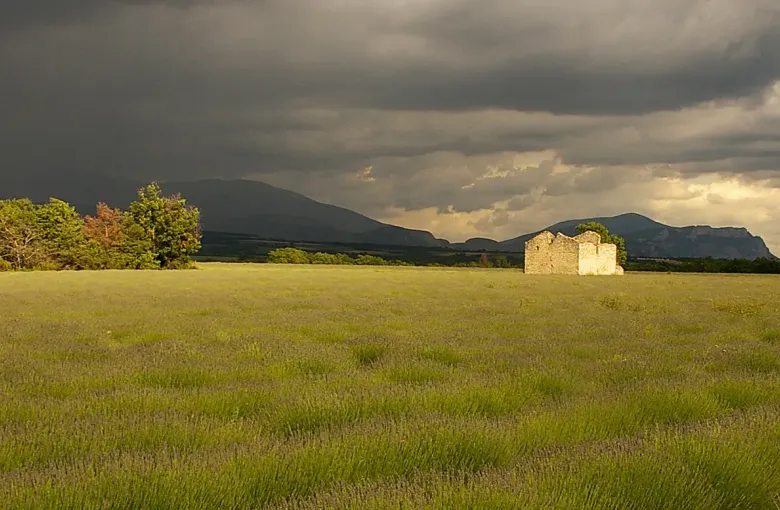
France Weather Guide
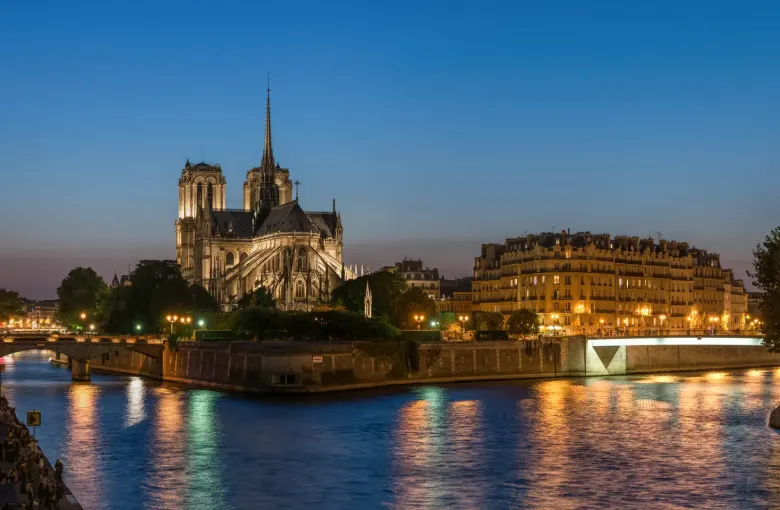
Paris, Banks of the Seine